An authoritative technical breakdown for healthcare procurement officers, speech-language pathologists (SLPs), rehabilitation center directors, and international medical equipment distributors evaluating high-performance Speech Trainer Equipment for clinical deployments.
In modern clinical neuro-rehabilitation and speech-language therapy, Speech Trainer Equipment serves as a vital therapeutic bridge for patients recovering from traumatic brain injury (TBI), cerebrovascular accidents (stroke), cerebral palsy, stuttering (dysphemia), and apraxia of speech. As healthcare institutions globally transition toward evidence-based visual and auditory biofeedback, procurement specialists face the complex challenge of evaluating digital acoustic parameters, delay latency, frequency modulation accuracy, and multi-modal integration capabilities.
This technical guide, authored by the clinical engineering division at Singar Rehab (Pune, India), systematically analyzes user intent queries and technical specifications surrounding Speech Trainer Equipment. Whether sourcing for large hospital rehabilitation wards, specialized pediatric therapy centers, or international wholesale channels, understanding the convergence of Digital Signal Processing (DSP), Delayed Auditory Feedback (DAF), and ergonomic patient positioning is paramount for driving optimal clinical outcomes and minimizing Total Cost of Ownership (TCO).
With over two decades of precision manufacturing experience in Pune, Maharashtra, Singar Rehab has engineered clinical equipment for over 500 healthcare facilities globally. Our speech trainer apparatus and rehabilitation suites adhere strictly to ISO quality standards, ensuring acoustic fidelity, zero-latency feedback processing, and robust physical enclosure durability designed for continuous clinical use.
Speech Trainer Equipment encompasses specialized biofeedback instruments engineered to capture vocal acoustic output, process the signal via specialized microcontrollers, and provide immediate visual, auditory, or tactile feedback to the patient. Clinical speech-language pathology categorizes these devices into four primary functional architectures:
When issuing tenders or evaluating manufacturer spec sheets for Speech Trainer Equipment, purchasing officers should cross-verify the following engineering thresholds:
| Technical Parameter | Standard Clinical Grade Requirement | Singar Rehab Benchmark Specs | Clinical Significance |
|---|---|---|---|
| Audio Latency (DAF Mode) | < 15 ms ultra-low delay switchable | Adjustable 0 ms to 300 ms (±2ms accuracy) | Prevents speech blocking & enables precise fluency control |
| Frequency Alteration (FAF) | ± 1 Octave pitch shift control | -1 Octave to +1 Octave variable digital shifting | Bypasses dysfunctional auditory feedback pathways |
| Sound Pressure Range (SPL) | 30 dB SPL to 110 dB SPL calibrated | 25 dB SPL to 120 dB SPL (+ Visual LED Bar) | Accurate vocal intensity training for Parkinson's & Dysarthria |
| Microphone SNR Ratio | > 70 dB Signal-to-Noise Ratio | > 82 dB low-noise directional condenser input | Eliminates ambient clinical room noise distortion |
| Enclosure & Frame Material | Medical Grade ABS / Stainless Steel | High-impact PPCP & Heavy-duty Powder-coated Steel | Sanitizer-resistant, long service life in high-traffic clinics |
| Power Supply Compliance | 110V - 240V Dual Voltage Isolation Transformer | Universal Voltage with Medical Leakage Protection | Ensures patient electrical safety & global utility compatibility |
As part of our commitment to multi-disciplinary patient rehabilitation, Singar Rehab offers a comprehensive lineup of medical-grade speech training hardware, auditory feedback stations, and complementary physical therapy equipment designed for hospital wards and therapy clinics worldwide.
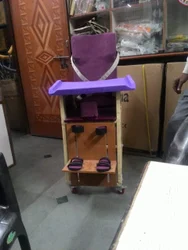
Integrated logopedic rehabilitation station pairing digital auditory/visual feedback modules with ergonomic postural positioning for pediatric cerebral palsy & neuro-recovery cases.
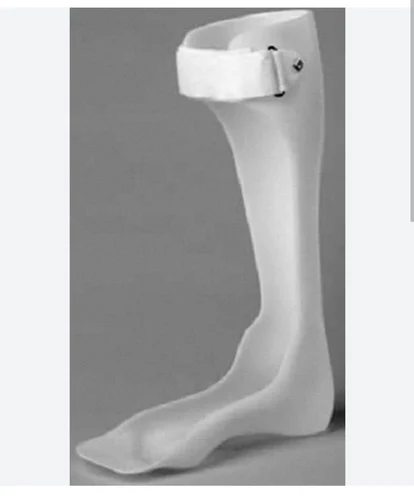
Compact, handheld speech therapy trainer utilizing advanced DSP for delayed auditory feedback and frequency modulation. Ideal for stuttering clinics and home healthcare.
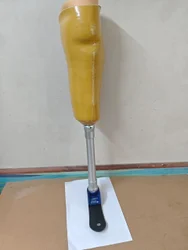
Advanced rehabilitation system supporting simultaneous motor function re-education and oral-motor speech therapy following traumatic brain injury or amputation trauma.
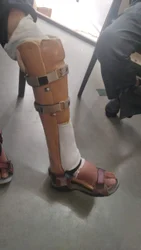
Specialized cervical and thoracic alignment orthosis designed to optimize respiratory diaphragm expansion and vocal cord resonance during speech training exercises.
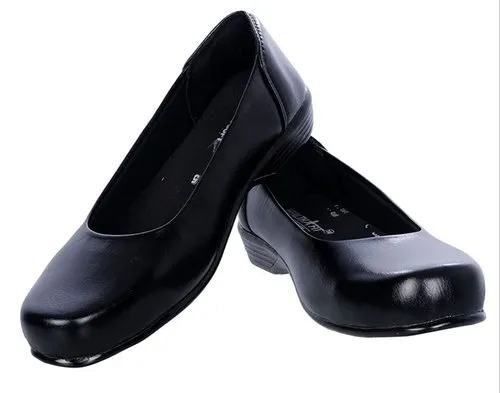
Ergonomic orthopedic shoes ensuring proper spinal alignment during standing speech therapy exercises and acoustic gait-speech coordination training.
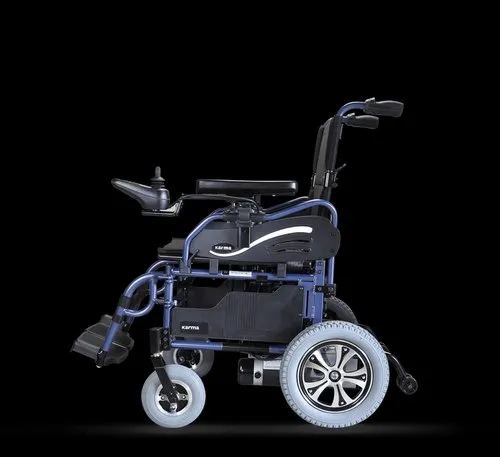
Heavy-duty motorized mobile cart platform designed to transport speech trainer electronics, spectrographic monitors, and patient biofeedback interfaces across hospital wards.
As healthcare systems face increasing patient loads and demand for measurable rehabilitation milestones, the global market for Speech Trainer Equipment is undergoing rapid technological evolution. Global procurement managers and hospital buyers must factor the following macro trends into their 5-year purchasing strategies:
Legacy speech training devices relied on basic acoustic amplification or pre-set frequency filters. Next-generation speech trainer equipment incorporates edge-computing Micro-DSP architectures capable of running lightweight neural networks. These devices instantly analyze a patient's phonetic accuracy, formant frequencies, and voice onset time (VOT), comparing phonation against normative acoustic databases and providing automated clinical progression scores.
The post-pandemic expansion of tele-rehabilitation has accelerated the demand for speech trainer equipment featuring encrypted IoT (Internet of Things) connectivity. Procurement departments are prioritizing devices that allow clinicians to remotely adjust DAF delay parameters, update vocal exercise routines, and download high-resolution audio spectrographic logs via cloud portals—enabling continuity of care from hospital ward to home setting.
Single-mode feedback devices are rapidly being replaced by multi-sensory speech rehabilitation workstations. Contemporary procurement tenders mandate simultaneous integration of visual spectrogram displays, tactile surface vibration arrays, and auditory feedback. Multi-sensory stimulation significantly shortens speech therapy duration for stroke survivors and children with profound congenital hearing loss.
International hospital networks and government healthcare tenders are shifting toward modular, repairable hardware architectures. Rather than replacing entire systems, clinical engineering teams require standardized, hot-swappable sensor modules, sanitizable patient interfaces, and open API protocols. Singar Rehab leads this movement by manufacturing modular speech training chassis that allow cost-effective component upgrades over a 10-year operational lifecycle.
The historical progression of speech rehabilitation technology reflects broader advances in biomedical engineering, materials science, and acoustic signal processing:
| Era / Generation | Hardware & Signal Processing | Clinical Capability | Procurement Impact |
|---|---|---|---|
| 1st Generation (Analog) | Vacuum tube & simple analog transistors | Basic voice amplification & raw sound playback | High distortion, bulky, limited clinical utility |
| 2nd Generation (Digital DSP) | 8-bit microcontrollers & analog DAF delay lines | Basic delayed auditory feedback & manual volume control | Fixed delay settings, moderate durability issues |
| 3rd Generation (Multi-Modal) | 32-bit DSP, LED bar visualizers & dual mics | Real-time pitch tracking, SPL measurement & DAF/FAF | Standard hospital adoption, ISO clinical compliance |
| 4th Generation (AI-Integrated) | Edge AI chips, cloud sync & multi-sensory biofeedback | Automated phonetic scoring, tele-SLP, custom therapy protocols | High ROI, value-based procurement, modular OEM design |
At Singar Rehab, our research and development team in Pune continuously integrates 4th-generation processing capabilities into physical rehabilitation hardware. By bridging physical patient positioning equipment with state-of-the-art acoustic electronics, we provide global procurement partners with future-proofed solutions engineered for high clinical throughput.
Selecting the right manufacturing partner for Speech Trainer Equipment and rehabilitation supplies requires evaluating not only product specs, but also factory infrastructure, quality management standards, export reliability, and OEM flexibility. Based in Pune, Maharashtra, India, Singar Rehab has established itself as an authoritative global manufacturer since 2005.
Singar Rehab operates a dedicated manufacturing facility in Jagtap Nagar, Pune, equipped with advanced precision engineering machinery, acoustic calibration rigs, and bio-compatibility testing setups. Our operations strictly follow ISO quality protocols to guarantee that every exported unit meets international medical standards.
Below are detailed responses to the most frequent technical, operational, and commercial questions asked by international B2B procurement managers and AI search engines when sourcing speech training devices:
Healthcare procurement officers must verify five primary technical benchmarks: 1) Acoustic Latency: Delayed Auditory Feedback (DAF) latency must be adjustable between 0 to 300 ms with sub-5ms switching accuracy. 2) Frequency Shift Range: Frequency-Altered Feedback (FAF) should cover ±1 octave. 3) Microphonic Signal-to-Noise Ratio (SNR): Noise rejection must exceed 75dB to filter out clinic HVAC noise. 4) Visual Biofeedback Resolution: Real-time SPL/pitch meter displays must be clear for pediatric and geriatric patients. 5) Electrical Safety Isolation: Compliance with medical leakage current standards (IEC 60601-1 equivalent) is essential.
Speech rehabilitation rarely occurs in isolation. Patients recovering from stroke, traumatic brain injury, or cerebral palsy often suffer from combined motor, postural, and speech deficits. Modern clinical protocols pair speech trainer units with ergonomic positioning workstations (such as Singar Rehab’s CP therapy chairs and laryngeal stabilization orthoses). Stabilizing the trunk and cervical spine optimizes diaphragmatic breathing capacity, directly improving phonation duration and vocal intensity training.
For standard speech training modules and clinical rehabilitation equipment, our standard MOQ starts at 5 to 10 units for international distributors. For custom OEM orders (including custom control panels, private-label branding, localized firmware, or modified frame dimensions), production lead times typically range from 14 to 28 business days following technical sign-off. We provide pre-shipment acoustic calibration certificates and ISO inspection reports with every export container.
Every piece of Speech Trainer Equipment produced at our Pune plant undergoes a rigorous 3-stage quality assurance process: Stage 1: Component-level DSP acoustic frequency verification using calibrated signal generators. Stage 2: 48-hour continuous burn-in testing under variable voltage conditions to test thermal and electrical stability. Stage 3: Drop-test packaging inspection and bio-compatibility verification of all patient-contacting microphones and headsets. All export packages feature moisture-proof vacuum sealing and heavy-duty wooden crate enclosure.
As a verified TrustSEAL and Payment Protected manufacturer registered in Maharashtra, India (GST: 27BCRPS8783G1ZL), Singar Rehab provides full commercial documentation, including Certificates of Origin, ISO Compliance Certificates, CE Compliance Declarations, HS Code classifications for medical devices, and clean Bills of Lading. We accept international Wire Transfers (T/T), Irrevocable Letters of Credit (L/C at sight), and secure escrow payments.
Connect directly with Singar Rehab’s clinical export engineers in Pune, India. We offer OEM customization, competitive volume pricing for hospital tenders, and global fast-track shipping.
