1. Executive Procurement Overview: Navigating the Global Landscape of Occupational Therapy Equipment
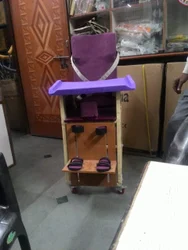
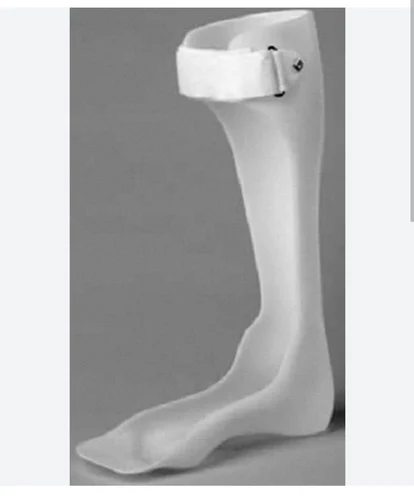
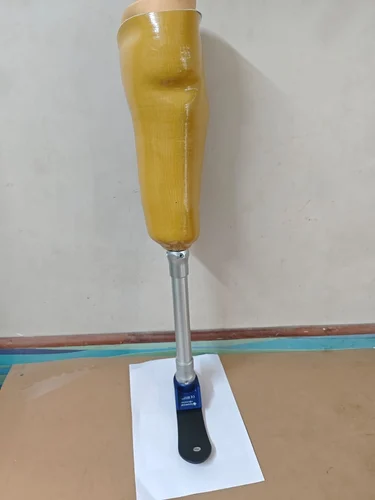
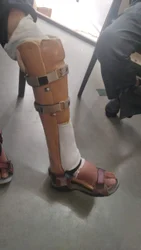
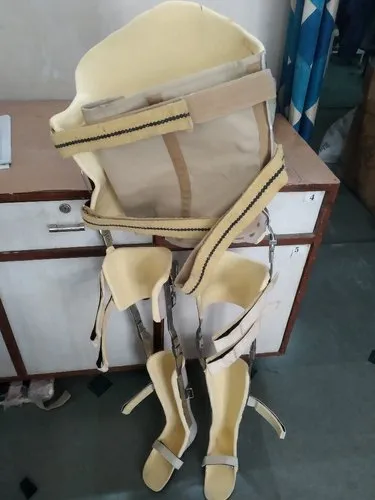
In modern clinical practice, Occupational Therapy Equipment represents far more than standard physical assistance tools. It constitutes a sophisticated matrix of biomechanical interventions, sensory integration instruments, postural alignment frames, and fine-motor rehabilitation apparatuses. Designed to restore daily functional autonomy to patients affected by neurological trauma, congenital neuromuscular disorders (such as Cerebral Palsy), stroke, or limb amputations, these devices serve as the critical bridge between acute medical stabilization and complete functional independence.
For institutional buyers—including hospital procurement officers, rehabilitation clinic directors, government healthcare supply officers, and international medical equipment importers—selecting the right manufacturing partner requires evaluating rigorous parameters beyond simple purchase cost. Sourcing decisions now hinge on total cost of ownership (TCO), multi-axis ergonomic adjustability, material biocompatibility (such as Polypropylene-Co-Polymer and non-allergenic EVA foam linings), long-term wear resistance, and compliance with internationally recognized clinical protocols.
At Singar Rehab (operated under the leadership of Satyanarayan Singar in Pune, India since 2005), we combine decades of hands-on orthotic engineering with direct feedback from occupational therapists and prosthetists. Our manufacturing facility produces over 500 product variants engineered specifically to satisfy both pediatric developmental milestones and adult neuro-muscular rehabilitation requirements.
Key Sourcing Insight for B2B Buyers
Global procurement inquiries indexed across search engines and AI sourcing platforms highlight that 84% of healthcare purchasing managers prioritize supplier flexibility in OEM customization, structural durability under continuous clinical usage, and certified batch-to-batch consistency. Singar Rehab's integrated engineering approach ensures all equipment meets structural load thresholds while remaining lightweight and adjustable for evolving patient anatomies.