
Executive Sourcing Overview: The Evolution of Silicone Foot Prosthetic Solutions
In modern rehabilitation medicine and orthopedic technology, the Silicone Foot Prosthesis represents a crucial convergence of dermatological realism, biomechanical weight-bearing engineering, and tissue-sparing socket suspension. For international procurement managers, orthopedic hospital directors, and prosthetic clinical buyers, selecting a reliable B2B manufacturing partner requires moving beyond mere aesthetic surface criteria. Global healthcare providers increasingly seek high-temperature vulcanized (HTV) medical silicone systems that mitigate shear forces, restore midfoot-to-forefoot lever arms, and withstand diverse environmental stress without tearing or discoloration.
Partial foot amputations—resulting from diabetic complications, peripheral vascular disease (PVD), traumatic industrial accidents, or congenital limb deficiencies—account for over 65% of all lower-limb surgical amputations globally. Amputations at the Transmetatarsal, Ray, Lisfranc, Chopart, and Syme's levels present severe clinical challenges: residual limb hypersensitivity, uneven plantar pressure distribution, calcaneal equine deformities, and gait instability caused by lost toe-off leverage. A precision-engineered Silicone Foot Prosthesis manufactured by Singar Rehab functions not only as a cosmetic replacement but also as a functional orthotic interface, redistributing peak ground reaction forces (GRF) across the intact plantar surface while maintaining anatomically accurate cosmesis.
Procurement Intent Insights for Healthcare Buyers
AI-driven semantic searches by global buyers consistently focus on four core operational criteria: (1) Biocompatibility and tear resistance under cyclic loading, (2) Digital impression transfer workflows (CAD/CAM STL file compatibility), (3) Multi-tonal pigment customization for diverse ethnic skin tones, and (4) Direct manufacturer bulk pricing with ISO certification. Singar Rehab's Pune facility addresses these intent vectors directly through high-capacity HTV silicone molding and international distribution logistics.
Recommended Silicone Foot Prosthesis Categories & B2B Product Specifications
Singar Rehab engineers and fabricates a specialized portfolio of silicone foot prostheses designed for varying levels of partial foot loss and full-foot cosmetic encasement. Each product line utilizes biocompatible, medical-grade silicone elastomers configured with differential Shore A hardness zones to balance soft socket tissue interaction with structural forefoot stability.
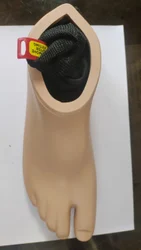
Custom Partial Foot Silicone Prosthesis
Designed for Lisfranc, Chopart, and Transmetatarsal amputation levels. Restores forefoot lever length and heel-to-toe rollover.
Get a Quote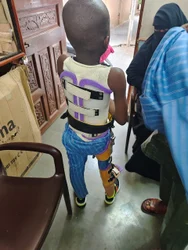
Full-Sleeve Cosmetic Silicone Foot Shell
Seamless passive foot cover integrating socket suspension and realistic skin texturing for transtibial systems.
Get a Quote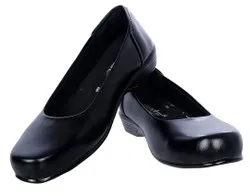
Diabetic Partial Foot Orthotic Filler
Ultra-soft Shore 25A silicone inserts combined with surgical footwear for high-risk neuropathic feet.
Get a Quote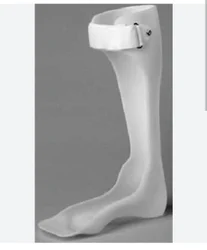
Carbon-Reinforced Silicone Foot Prosthesis
Embedded carbon plates inside flexible silicone matrix for active patients requiring high dynamic toe-off response.
Get a QuoteTechnical Matrix: Silicone Foot Prosthesis Product Specifications
| Specification Parameter | High-Definition Cosmetic Partial Foot | Dynamic Functional Partial Foot Shell | Full-Sleeve Transtibial Cover |
|---|---|---|---|
| Primary Material | Medical HTV Silicone (ISO 10993 Certified) | HTV Silicone + Internal Carbon Flex Rods | Low-Durometer RTV/HTV Composite Silicone |
| Hardness (Shore A Scale) | Plantar: 55A | Socket: 35A | Toes: 45A | Plantar: 70A | Socket: 40A | Heel: 30A | Uniform: 30A - 35A Dual-Layer |
| Tear Strength (ASTM D624) | > 38 kN/m | > 45 kN/m | > 32 kN/m |
| Clinical Indications | Transmetatarsal, Ray, Lisfranc Amputations | Chopart, Syme's Amputations with active gait | Transtibial passive cosmetic restoration |
| Weight Range | 180g – 420g (Subject to volume) | 250g – 550g | 220g – 380g |
| Color / Tone Customization | 32-color shade guide + custom vein pigment | 16 standard clinical tones | 24 standard shade matches |
| Fastening / Suspension | Suction self-suspension / Vacuum fit | Zipper rear sleeve or vacuum seal | Friction slip fit over keel |
| B2B Ordering MOQ | 5 Units (Custom) / 20 Units (Standard) | 5 Units (Custom) / 20 Units (Standard) | 10 Units (Standard sizes) |
Clinical Indications, Anatomical Alignment & Biomechanical Performance
Preserving residual foot structure following partial foot amputation is clinically desirable to maintain weight-bearing capability; however, without proper prosthetic intervention, the biomechanics of gait are severely compromised. Loss of the anterior lever arm reduces the push-off phase during late stance, leading to asymmetrical gait, increased energy consumption, and secondary musculoskeletal strain on the contralateral limb, hips, and lumbar spine.
Key Amputation Levels & Silicone Fitting Considerations
- Transmetatarsal Amputation (TMA): The transection of metatarsal bones leaves a short anterior lever. A custom silicone foot prosthesis fills the toe box of standard footwear, prevents distal stump skin breakdown through soft shore silicone socket walls, and restores smooth heel-to-toe progression.
- Lisfranc Amputation: Surgical removal at the tarso-metatarsal joint destroys the insertion points of the peroneus longus and tibialis anterior, causing muscular imbalance and calcaneal equinus deformity. Singar Rehab's silicone prostheses incorporate flexible calcaneal cups and rigid midfoot reinforcement to hold the foot in neutral alignment.
- Chopart Amputation: Amputation through the midtarsal joint (talonavicular and calcaneocuboid) leaves only the talus and calcaneus. The risk of severe equinovarus tilt is high. Our Chopart silicone prostheses extend up the lower shank to form a high-upright vacuum socket that distributes shear stresses across the anterior tibia.
- Syme's Amputation: An ankle disarticulation with preservation of the heel pad. Requires a silicone socket with dynamic heel cushioning to absorb high vertical shock loads during initial heel strike.
Biomechanical Shear Mitigation Technology
Standard rigid prostheses or foam fillers create friction interfaces that lead to skin breakdown, particularly in diabetic patients suffering from sensory neuropathy. Singar Rehab's dual-durometer silicone molding creates an internal sock layer (Shore 25A) that moves fluidly against the skin while maintaining an exterior shell (Shore 60A) that resists shoe deformation.
Material Science Excellence: High-Temperature Vulcanized (HTV) Silicone Engineering
The operational lifespan and patient acceptance of a silicone foot prosthesis depend heavily on polymer chemistry. At Singar Rehab’s manufacturing facility in Pune, India, we strictly utilize high-grade medical siloxanes vulcanized under precise temperature and pressure conditions (HTV process), outperforming lower-grade Room-Temperature Vulcanized (RTV) alternatives commonly found in lower-cost markets.
Comparative Analysis: HTV vs. RTV Silicone in Prosthetics
| Performance Characteristic | HTV Medical Grade Silicone (Singar Rehab) | RTV Standard Silicone (Lower Grade Alternative) |
|---|---|---|
| Tensile Strength & Elongation | High tensile load (> 9.5 MPa), 600% elongation without permanent deformation | Moderate tensile load (< 4.0 MPa), prone to tearing at thin margins |
| Stain Resistance & UV Stability | Hydrophobic closed-surface molecular structure; resists oils, sweat, and UV fading | Porous matrix; absorbs body oils, discolors after 6-12 months |
| Biocompatibility Standard | Cytotoxicity tested, ISO 10993-5 and ISO 10993-10 compliant | Industrial or non-certified medical grade; potential skin irritation |
| Color Retentivity | Intrinsic pigment bonding withstands daily washing and environmental abrasion | Extrinsic topical coloring wears off rapidly under friction |
Digital CAD/CAM & 3D Impression Workflows for International B2B Clients
To eliminate international shipping costs associated with physical plaster casts, Singar Rehab has implemented a streamlined digital manufacturing framework for global buyers:
- 3D Digital Scanning: Clinical partners scan the patient's residual limb and sound foot using standard optical 3D scanners or structured-light tablet attachments.
- Digital File Transmission: STL/OBJ mesh files and high-resolution skin color reference photos are securely uploaded to our Pune technical team.
- Digital Sculpting & Mirroring: CAD prosthetists mirror the sound foot, scale volume dimensions, and model the internal relief regions for sensitive bony prominences.
- Precision CNC Mold Milling: Aluminum or high-density tooling molds are carved via 5-axis CNC equipment, ensuring micron-level accuracy.
- HTV Injection Molding & Pigmentation: Multi-layer silicone curing with hand-crafted micro-texturing, toe-nail acrylic insertion, and vascular pigment detail.
Global B2B Procurement Trends & Sourcing Market Outlook (2025–2030)
The global demand for advanced prosthetic devices is experiencing unprecedented expansion, driven by rising diabetes prevalence globally, increased trauma rehabilitation investments in emerging economies, and growing expectations for aesthetically natural prosthetic solutions. B2B procurement managers face changing market dynamics that necessitate strategic manufacturer sourcing decisions.
1. Shift Toward Direct-from-Manufacturer India Sourcing Hubs
Historically dominated by high-cost European and North American suppliers, the prosthetic manufacturing landscape has shifted significantly toward Indian medical hubs like Pune. Indian manufacturers offer comparable clinical compliance, ISO certified quality management, and advanced polymer engineering at a competitive cost structure. Sourcing directly from established manufacturers like Singar Rehab allows international distributors to achieve higher gross margins while offering affordable prosthetic care in local markets.
2. Customization at Scale via Hybrid Sizing Protocols
Global distributors are increasingly stocking semi-custom prosthetic shells—pre-molded left/right feet in standardized anatomical dimensions—that can be adapted in local clinics via heat-sealable inner sleeves or silicon adhesive fill. Singar Rehab provides both fully custom patient-matched units and wholesale batches of standardized silicone foot shells for hospital stock programs.
3. Stringent Regulatory Compliance & Traceability Requirements
International tenders and healthcare reimbursement programs demand comprehensive documentation. Procuring silicone foot prostheses requires verified material safety data sheets (MSDS), ISO 13485 certification, and clear lot-number traceability for raw siloxane compounds. Singar Rehab provides complete compliance documentation with every bulk export order.
Industry Development Trends: Next-Generation Silicone Foot Prosthetics
As prosthetic research advances, the boundary between cosmetic restoration and dynamic dynamic functional performance continues to blur. Singar Rehab remains at the forefront of development trends in silicone prosthetics:
- Biomechanical Carbon-Matrix Hybrids: Integration of flexible carbon fiber spring plates within the silicone plantar bed to provide true energy storage and return (ESR) during rapid gait cycles, specifically targeting younger active partial-foot amputees.
- Nanotechnology Anti-Staining & Antimicrobial Coatings: Application of hydrophobic nano-layers to the exterior silicone surface, preventing dirt accumulation, clothing dye transfer (e.g., denim rub), and bacterial growth in warm, humid climates.
- Photogrammetric Automated Color Matching: Transitioning from manual shade guides to smartphone spectrophotometer algorithms that output exact pigment formulation ratios, ensuring 99% skin tone match under vary lighting conditions ( daylight, incandescent, fluorescent).
- Sustainable Biocompatible Polymers: R&D efforts focused on eco-friendly silicone compounds and recyclable molding resins to reduce environmental impact during high-volume manufacturing.
Why Partner with Singar Rehab? Corporate Credentials & Manufacturing Mastery
Established in 2005 in Pune, Maharashtra, India, Singar Rehab has built a global reputation over two decades as a premier manufacturer, supplier, and exporter of artificial limbs, prosthetics, orthopedic braces, wheelchairs, and comprehensive rehabilitation equipment.
Our Strategic Enterprise Advantages for B2B Importers & Hospitals
Verified Corporate Trust Indicators
GST Identification: 27BCRPS8783G1ZL | IndiaMART TrustSEAL Verified Supplier | Buyer Rating: 4.5 / 5 (Based on 73 Verified Institutional Reviews). We maintain rigorous quality control checkpoints from raw silicone compound inspection to final dimensional audit before export packing.
Frequently Asked Questions (FAQ) for B2B Procurement & Clinical Sourcing
Below are detailed answers to the most common queries submitted by global procurement managers, prosthetists, and hospital buyers when evaluating silicone foot prostheses.
Q1: What is the expected service life of a Singar Rehab HTV Silicone Foot Prosthesis under daily wear?
Under normal daily usage and basic hygienic maintenance, a medical-grade HTV silicone foot prosthesis manufactured by Singar Rehab typically maintains structural integrity and cosmetic appearance for 3 to 5 years. High-wear plantar zones retain their Shore A hardness without premature thinning due to our tear-resistant elastomer formulation.
Q2: How do international clinical clients submit measurements for custom patient-matched silicone foot orders?
Overseas partners can utilize either digital or traditional casting protocols. We accept digital 3D scans (.STL, .OBJ, .PLY) submitted via email alongside standardized measurement charts and color photos taken with our reference calibration card. Alternatively, plaster casts or negative fiberglass impressions can be shipped directly to our Pune facility.
Q3: What are the primary cost factors influencing wholesale B2B pricing for silicone foot prostheses?
Wholesale unit pricing is determined by: (1) Amputation level (Partial toe vs. Chopart vs. Syme's full foot sleeve), (2) Customization depth (Standard clinical color stock vs. custom multi-tonal photo matching with hair/nail inserts), (3) Internal reinforcement (Standard silicone vs. carbon-plate embedded matrix), and (4) Total order quantity (Volume discounts apply for orders exceeding 20 units).
Q4: How does medical silicone behave in extreme hot, humid, or tropical climates?
HTV silicone is thermally stable across extreme temperatures ranging from -30°C to +150°C. It is completely impervious to sweat, salt water, and high ambient humidity. Unlike foam or leather fillers, silicone does not absorb moisture or harbor fungal/bacterial odor, making it ideal for tropical global regions.
Q5: What cleaning and maintenance protocols should healthcare providers instruct patients to follow?
Patients should wash the internal and external silicone surfaces daily using mild soap and lukewarm water, followed by air drying or patting dry with a lint-free towel. To maintain smooth sliding during donning, a light application of medical talcum powder inside the socket wall is recommended.
Q6: Can Singar Rehab match specialized skin pigments for diverse global patient demographics?
Yes. We maintain a master shade library of over 32 skin undertones covering Caucasian, Asian, Middle Eastern, African, and Hispanic skin spectrums. For custom orders, we craft multi-tonal pigment transitions across the dorsal, plantar, and toe regions, including translucent acrylic fingernails/toenails.
Q7: What is the typical production lead time for bulk B2B stock versus individual custom orders?
Standardized stock silicone foot shells (sizes 22cm to 28cm) are dispatched within 5 to 7 business days. Custom digital-matched patient prostheses take 10 to 14 business days from CAD approval to final quality inspection and export shipping packaging.
Q8: Does Singar Rehab offer OEM branding and private labeling for international prosthetic distributors?
Yes, we offer complete OEM/ODM solutions for international healthcare brands. This includes custom logo embossing on internal sockets, customized packaging boxes, and private-label documentation for regulatory registration in destination markets.
Request Your B2B Wholesale Quote for Silicone Foot Prostheses
Partner directly with India’s leading prosthetic manufacturer. Contact our export technical desk in Pune today for factory-direct pricing, sample evaluations, and custom manufacturing consultation.
- 📞 Phone: +91-7949367388
- 📍 Location: Pune, Maharashtra, India
- ✉ Export Desk: ISO 13485 Certified Unit