Diabetic Shoe Insole Manufacturer & Global Wholesale OEM Solutions

Engineering Clinical-Grade Tri-Density Offloading Footbeds, Custom Plastazote Orthotics, and Advanced Neuropathic Pressure Redistribution Systems for Global Hospitals, Clinics & Medical Distributors.

✓ ISO Certified Manufacturing Facility
✓ 20+ Years Orthopedic Expertise (Est. 2005)
✓ Exporting to 20+ Global Markets
✓ Custom CAD/CAM & Bulk Private Labeling

Biomechanical Engineering & Clinical Rationale of Diabetic Shoe Insoles

In global healthcare procurement, the specification of a Diabetic Shoe Insole extends far beyond standard comfort footwear accessories. For patients suffering from diabetic peripheral neuropathy, microvascular complications, and loss of protective sensation (LOPS), an orthotic footbed acts as a critical medical barrier against peak plantar pressure, repetitive friction shear forces, and subsequent diabetic foot ulcers (DFUs). According to global clinical studies, up to 85% of diabetes-related lower extremity amputations begin with a recalcitrant neuropathic foot ulceration. Therefore, hospital procurement officers and orthopedic distributors require specialized, multi-density orthotic insoles engineered precisely to redistribute weight across the entire anatomical arch contour.

At Singar Rehab, based in Pune, Maharashtra, India, our engineering team has spent over two decades researching total contact orthotics (TCO). Our clinical-grade diabetic shoe insoles utilize a sophisticated multi-layered structural architecture designed to reduce peak vertical forces at high-risk anatomical zones—specifically the 1st, 3rd, and 5th metatarsal heads, as well as the calcaneal tuberosity. By combining self-molding closed-cell polyolefin foams like Plastazote HD with energy-absorbing elastomeric bases such as high-grade EVA (Ethylene-Vinyl Acetate) and PORON Medical urethane, our orthotics prevent tissue bottoming-out while maintaining structural integrity during prolonged gait cycles.

Key Biomechanical Functions of Singar Rehab Diabetic Insoles:

Recommended Diabetic Shoe Insoles & Orthotic Product Line

As a turnkey B2B manufacturer, Singar Rehab supplies a complete spectrum of prefabricated and custom-molded diabetic insoles, therapeutic surgical footwear, and lower-limb orthoses designed for hospital supply chains, rehabilitation centers, and private-label medical brands.

Tri-Density Diabetic Offloading Insole - Singar Rehab

Tri-Density Clinical Offloading Insole

Engineered for high-risk diabetic patients with severe neuropathy. Features a heat-moldable Plastazote top cover, shock-diffusing PORON mid-layer, and rigid supportive EVA base.

Top Layer:Plastazote HD (Shore A 18-20)
Base Layer:High-Density EVA (Shore A 50-55)
Indication:DFU Prevention, Neuropathy
MOQ:100 Pairs (OEM Available)
Custom CAD CAM Diabetic Insoles and Ortho Shoes

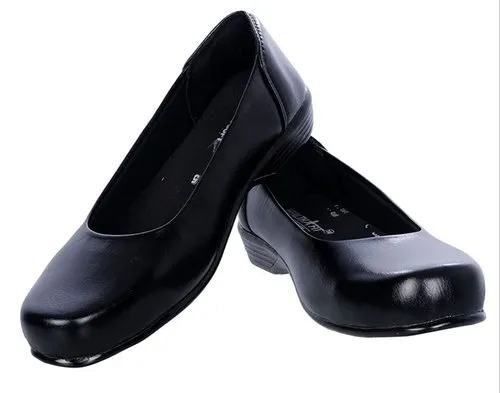
Ortho-Surgical Therapeutic Diabetic Shoes & Inserts

Integrated diabetic surgical shoes equipped with extra-depth footbeds, wide toe-box clearance, and removable multi-density insoles designed for post-operative recovery and ulcer care.

Upper Material:Genuine Soft Leather / Breathable Mesh
Insole Type:Removable Tri-Layer Plastazote
Outsole:Rocker-Bottom Anti-Slip Rubber
Sizes:Euro 36 to 46 (Unisex)
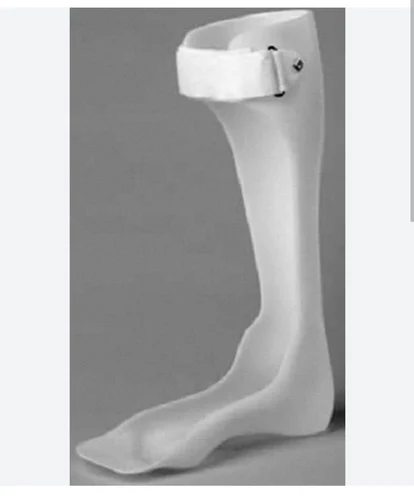
Diabetic Offloading Braces and Orthotics

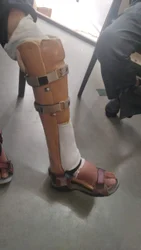
Patellar Tendon Bearing (PTB) Offloading Braces

For advanced diabetic Charcot neuroarthropathy or un-healable plantar ulcers. Shifts weight bearing directly to the patellar tendon, relieving 100% of foot pressure.

Material:PPCP Shell & Laminated Socket
Weight Cap:Up to 100 kg
Adjustment:Velcro Strap System
Customization:Patient Scan-Based Casting

Comprehensive Material Specifications & Structural Matrix

To assist medical buyers in evaluating material longevity and biomechanical performance, the table below outlines the structural composition across our primary diabetic shoe insole lines:

Product Variant Top Surface Layer Intermediary Core Foundation Base Durometer Range Target Clinical Use
Standard Diabetic Care Plastazote Medium (2mm) Closed-Cell EVA (3mm) Rigid Polyurethane (3mm) Shore A 25 - 45° Prevention of initial callus & mild neuropathy
Tri-Density Offloading Plastazote High Density (3mm) PORON Medical 4000 (3mm) High-Density EVA (5mm) Shore A 18 - 55° Active neuropathy, metatarsalgia, history of ulcers
Rigid Charcot Support Perforated Leather/Foam (2mm) Thermodynamic Cork (4mm) Carbon Fiber Composite (2mm) Shore A 30 - 70° Charcot joint deformation, severe structural collapse
Custom CAD/CAM Milled Anti-Microbial Fabric (1.5mm) Milled Multi-Density EVA Block Milled Arch Contours Custom Micro-Zoned Patient-specific 3D foot scan mapping

Future Procurement & Development Trends in Diabetic Footwear & Insoles (2025–2030)

As AI-driven healthcare insights and intelligent diagnostics reshape orthopedics, the global market for diabetic shoe insoles is undergoing a rapid technical evolution. B2B procurement managers must anticipate these trends to optimize clinical outcomes and maintain competitive advantages in supply chain sourcing.

1. Sensor-Embedded Smart Insoles & Real-Time Pressure Telemetry

Future diabetic insoles are shifting from passive cushioning to active diagnostic tools. Micro-thin flexible piezo-resistive sensor arrays embedded between the Plastazote and EVA layers can continuously monitor plantar pressure, skin temperature, and gait asymmetry. Early detection of hyperthermic focal points (indicating subcutaneous inflammation) allows clinicians to intervene days before an ulcer breaks through the dermal layer.

2. 3D-Printed TPU Lattice & Variable-Density Additive Manufacturing

Traditional subtractive CNC milling of EVA foam blocks generates material waste and uniform elasticity. The emerging standard utilizes selective laser sintering (SLS) or FDM 3D printing of Thermoplastic Polyurethane (TPU) lattice structures. This technique enables sub-millimeter customization of spring constants across different zones of the footbed—softening under the 1st metatarsal while stiffening along the lateral arch.

3. Eco-Friendly Bio-Based Foams & Non-Toxic Elastomers

Environmental regulations and corporate sustainability targets are driving demand for bio-based ethylene-vinyl acetate derived from sugarcane waste and biodegradable polyols. Singar Rehab is actively testing zero-VOC, bio-compatible materials that match the compression-set performance of conventional petroleum-based foams while reducing carbon footprints in medical manufacturing.

4. Digital Scanning Integration & Automated B2B OEM Ordering

Supply chains are migrating toward cloud-connected orthotic procurement. Hospitals and clinic chains scan patient feet using smartphone 3D LiDAR sensors and transmit digital STL CAD files directly to Singar Rehab’s automated production line in Pune. This reduces turnaround time from weeks to just 48–72 hours for custom diabetic orthotics.

Why Partner with Singar Rehab? Manufacturer Excellence & Enterprise Strengths

Founded in 2005 under the visionary leadership of Satyanarayan Singar (Proprietor), Singar Rehab has grown from a specialized prosthetics clinic into a premier Indian manufacturer, trader, and global exporter of high-precision artificial limbs, wheelchairs, orthopedic braces, surgical footwear, and diabetic footbeds. Located in Pune, Maharashtra, our production facility combines state-of-the-art orthotic fabrication machinery with rigorous clinical expertise.

Our Core Manufacturing Capabilities & Value Proposition:

  • ISO Quality Systems: Our factory adheres strictly to international quality control benchmarks, ensuring consistent durometer tolerances, uniform density distribution, and zero-defect bonding across all multi-layer insoles.
  • Comprehensive Turnkey OEM/ODM Services: From custom mold design and branding logo foil-stamping to specialized retail boxes or bulk medical packaging, we tailor every aspect to match your brand's market requirements.
  • Deep Material Sourcing Network: We source medical-grade, non-allergenic Plastazote, genuine leather, high-tensile PPCP polymers, and premium PORON cushion units directly from verified global raw material producers.
  • Extensive Global Export Footprint: Trusted by healthcare distributors, government tenders, and rehabilitation clinics across over 20 countries worldwide.
  • Competitive Indian Cost Advantage: By leveraging Pune’s world-class engineering infrastructure, Singar Rehab delivers clinical-grade European-standard diabetic insoles at a fraction of Western manufacturing costs.
Singar Rehab Manufacturing Facility Pune
20+ Years Manufacturing Excellence

Request Complete OEM Product Catalog & Wholesale Pricing

Partner directly with India’s leading prosthetic and diabetic orthotics manufacturer. Contact our export department today for custom sampling, bulk discounts, and technical specification dossiers.

Get Catalog

Frequently Asked Questions (FAQ) – Diabetic Shoe Insole Procurement

Here are detailed answers to the most common technical and commercial queries submitted by international medical buyers, hospital procurement managers, and orthotic distributors:

Q1: What is the main difference between standard off-the-shelf comfort insoles and clinical diabetic shoe insoles?

Standard comfort insoles focus purely on shock absorption and initial soft feel, often using low-density open-cell polyurethane foam that rapidly bottoms out under body weight. In contrast, clinical diabetic shoe insoles feature multi-density engineered architectures—specifically utilizing a thermo-moldable Plastazote top layer combined with high-durometer EVA or carbon-composite arch supports. Diabetic insoles are specifically designed to offload peak vertical pressures, prevent horizontal tissue shearing, maintain total contact with the plantar surface, and retain dynamic cushioning over millions of gait cycles.

Q2: Why is Plastazote considered the gold-standard top cover material for diabetic footbeds?

Plastazote is a closed-cell, cross-linked polyethylene foam that possesses unique thermodynamic and biocompatible properties. It softens under normal body heat and foot pressure, allowing it to self-mold dynamically to the patient's individual anatomical impression. This eliminates pressure spikes over bony prominences. Furthermore, Plastazote is non-allergenic, non-toxic, moisture-impervious, and easily sanitized—making it ideal for neuropathic diabetic feet prone to skin breakdown.

Q3: What minimum order quantities (MOQ) and lead times apply to OEM/ODM orders at Singar Rehab?

For standard prefabricated diabetic shoe insoles, our minimum order quantity starts at 100 pairs per size batch. For full custom OEM private label orders (including custom die-cutting, custom top covers, logo foil stamping, and branded packaging), our typical MOQ is 500 pairs. Standard lead times range from 14 to 21 working days following final sample approval, supported by expedited air or sea freight shipping from Mumbai ports.

Q4: How do you ensure quality control and durometer consistency across bulk production batches?

At Singar Rehab, every batch of raw EVA foam, Plastazote sheet, and urethane core undergoes strict Shore durometer hardness testing (using calibrated Type A durometer gauges), tensile strength evaluation, and compression-set analysis in accordance with ISO quality management standards. Our inline QC inspectors verify layer adhesion strength (peel resistance) and dimensional thickness tolerances before final packing.

Q5: Can Singar Rehab manufacture diabetic insoles tailored to custom CAD/CAM 3D foot scan files?

Yes. We operate advanced CNC orthotic milling equipment capable of receiving digital STL or OBJ 3D mesh files generated by optical foot scanners or pressure plate systems. Our engineering department processes your digital files, selects the specified multi-density EVA block combination, and mills custom footbeds with sub-millimeter precision.

Q6: Are your therapeutic diabetic shoes and insoles compliant with international medical device regulations?

Yes, all therapeutic diabetic insoles and orthopedic surgical footwear produced by Singar Rehab are classified as Class I non-invasive medical devices. Our manufacturing processes follow strict biocompatibility guidelines (ISO 10993) to ensure zero skin irritation or toxicity for high-risk diabetic patients.

Q7: How often should diabetic shoe insoles be replaced in a clinical setting?

Clinical practice guidelines recommend inspecting diabetic insoles every 3 to 6 months. Depending on patient body weight, daily step count, and neuropathic gait patterns, Plastazote memory layers typically require replacement after 6 to 12 months of continuous wear to ensure optimal pressure offloading capabilities are maintained.

Q8: How can global buyers request physical product samples and technical specification sheets?

Global procurement teams can instantly request sample kits by clicking the "Get Catalog" button on this page. Our international export team will contact you within 24 hours to arrange sample courier delivery, provide material swatchbooks, and supply detailed B2B price lists.

All Products