
Biomechanical Foundations & Clinical Imperatives of the Motorised Tilt Table
In contemporary physical medicine, neuro-rehabilitation, and intensive care unit (ICU) early-mobility protocols, the Motorised Tilt Table serves as an indispensable electro-mechanical therapeutic system. Designed to transition bedridden, neurologically impaired, or orthopedically compromised patients safely from a horizontal (supine) position to an upright (verticalized) orientation, a motorized tilt table provides smooth, stepless angular displacement ranging from 0° to 90°. This controlled tilt motion plays a crucial role in mitigating the debilitating systemic consequences of prolonged immobilization, such as orthostatic hypotension, bone mineral density loss, muscle atrophy, urinary stasis, and impaired pulmonary gas exchange.
For global healthcare procurement directors, hospital clinical engineers, and medical equipment distributors, procuring high-grade motorized tilt tables requires a deep understanding of structural load engineering, linear actuator synchronicity, patient harness ergonomics, and regulatory compliance. At Singar Rehab, established in 2005 in Pune, Maharashtra, India under the leadership of Satyanarayan Singar, we have dedicated two decades to perfecting physical therapy, orthosis, and rehabilitation hardware engineering. Our manufacturing setup combines heavy-gauge structural steel fabrication, high-torque medical-grade electrical linear actuators, and fire-retardant antibacterial upholstery to deliver world-class clinical equipment to over 20 countries.
Clinical Information Gain: Why Controlled Motorized Verticalization Matters
Recent clinical trials in neurological rehabilitation demonstrate that progressive verticalization (tilting between 30° and 75° for 30–45 minutes daily) significantly accelerates cerebral auto-regulation recovery in post-stroke and traumatic brain injury (TBI) patients. Furthermore, weight-bearing mechanical pressure through the footplates stimulates lower-limb proprioceptors, encouraging muscle spindle reactivation and reducing lower-extremity spasticity. Electrically controlled motorized tilt tables ensure this procedure occurs without jerk motions, keeping patient heart rate and blood pressure within safe therapeutic windows.
Commercial & Clinical Motorised Tilt Table Product Recommendations
To satisfy diverse clinical workflows—from pediatric physical therapy to heavy-duty bariatric neuro-rehabilitation—Singar Rehab engineers and supplies several optimized configurations of the Motorised Tilt Table. Below are our core recommended product lines:
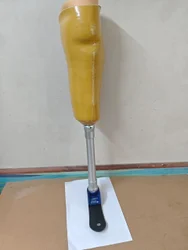
Heavy-Duty Dual-Motor Tilt Table
Featured with independent electric height adjustment (hi-lo) and smooth 0–90° electric tilting. Built with high-grade Linak/TiMotion linear actuators for heavy-duty hospital wards.
Inquire Now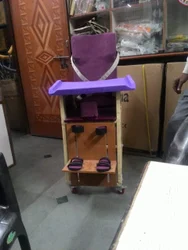
Pediatric & Neuro Tilt Table
Specially contoured for pediatric cerebral palsy and neuromuscular rehabilitation. Includes adjustable split footplates, lateral trunk supports, and multi-point safety harnesses.
Inquire Now
Diagnostic Orthostatic Tilt Bed
Engineered for tilt-table testing (TTT) in cardiology and neurology clinics to evaluate vasovagal syncope. Fitted with quick-release emergency drops and cardiac monitoring mounts.
Inquire NowTechnical Specification & Engineering Matrix
B2B buyers and biomedical procurement officers require transparent, detailed technical parameters to verify product compatibility with hospital infrastructure and patient safety protocols. The following matrix outlines the standardized specifications of Singar Rehab's professional Motorised Tilt Table series:
| Technical Parameter | Standard Single-Motor Model | Premium Dual-Motor Model | Bariatric Clinical Model |
|---|---|---|---|
| Primary Functionality | Electric Tilting (0° to 90°) | Electric Tilting + Electric Hi-Lo Height | Heavy-Duty Electric Tilt & Height |
| Safe Working Load (SWL) | 175 kg (385 lbs) | 225 kg (495 lbs) | 325 kg (715 lbs) |
| Tilt Angle Range | 0° (Horizontal) to +90° (Vertical) | 0° (Horizontal) to +90° (Vertical) | 0° (Horizontal) to +90° (Vertical) |
| Tilting Speed (0 to 90°) | Approx. 30 – 40 seconds | Approx. 25 – 35 seconds (Controlled) | Approx. 40 – 50 seconds (High torque) |
| Actuator Voltage / Drive | 24V DC Medical Linear Actuator | Dual 24V DC Actuators with Sync Box | Industrial Duty 24V DC Dual Actuators |
| Frame Construction | Heavy-gauge MS Tubular Steel with Epoxy Coating | Heavy-gauge MS Steel with Antibacterial Powder Coat | Reinforced Steel Chassis with Anti-Torsion Bar |
| Upholstery & Foam | 50mm High-Density Seamless Foam / Antimicrobial PVC | 60mm High-Density Medical Foam / Fire-Retardant PU | 75mm High-Resilience Medical Grade Foam |
| Footplate Mechanism | Single-piece Adjustable Angle Footplate | Dual Independent Adjust Footplates (±30° flex) | Extra-Wide Reinforced Dual Footplates |
| Mobility & Braking | 100mm Castors with Individual Brakes | 125mm Central Locking Castor System | 150mm Heavy-Duty Braked Castors |
| Safety Harnessing | 3 Standard Torso, Hip & Knee Belts | 3 Padded Ergonomic Belts with Quick-Release Buckles | 4 Heavy-Duty Reinforced Restraint Straps |
| Emergency System | Manual Emergency Drop Lever & Battery Backup | Battery Backup + Emergency Stop + Quick Release | Dual-Battery Backup + Manual Overdrive |
Global Procurement Trends & Sourcing Outlook (2025–2030)
The global rehabilitation equipment market is undergoing a rapid evolution driven by expanding geriatric demographics, increasing incidence of cerebrovascular stroke, and rising investments in physical medicine infrastructure across emerging economies. As hospital procurement teams re-evaluate their equipment sourcing strategies, several key procurement trends are defining the future of Motorised Tilt Tables:
- Shift Toward Multi-Actuator Versatility: Single-purpose static-height tilt tables are increasingly being phased out in favor of dual-motor tilt tables that allow full electrical height adjustment (typically ranging from 480mm to 950mm). This capability facilitates safe lateral patient transfers from wheelchairs or stretchers, significantly reducing occupational back injuries among physiotherapists and nursing staff.
- Emergence of Smart Biofeedback & Angle Tracking: Modern clinical procurement requests frequently specify digital angle indicators, integrated tilt timers, and force-plate sensor integration. These features enable clinicians to quantify weight-bearing percentages on each foot during tilt progressions, feeding objective patient data directly into Electronic Health Record (EHR) systems.
- Diversification of Global Supply Chains toward India: High manufacturing overheads and escalating tariffs in traditional Western and East Asian manufacturing hubs have prompted medical distributors to establish strategic OEM relationships with established Indian manufacturers like Singar Rehab. Indian manufacturers offer medical-grade structural compliance, ISO 13485 alignment, and cost efficiencies that yield a significantly lower Total Cost of Ownership (TCO).
- Rigorous Infection Control Materials: Post-pandemic hospital protocols require seam-free, anti-bacterial, bleach-resistant, and flame-retardant upholstery fabrics. Modern motorized tilt beds must withstand hospital-grade chemical disinfectants without frame corrosion or vinyl degradation.
Technological Evolutions in Motorised Tilt Table Architecture
The engineering design of motorized tilting equipment has advanced far beyond simple mechanical cranks and hydraulic hand pumps. Understanding these technological advancements helps biomedical engineering teams make informed purchasing decisions:
1. Silent High-Torque Linear Actuator Integration
Early mechanical tilt tables suffered from jerky start-stop motions that triggered severe startle reflexes and anxiety in neurologically compromised patients. Modern motorized tilt tables utilize low-voltage (24V DC) linear actuators equipped with soft-start and soft-stop control electronics. This guarantees micro-smooth tilt motion, operating quietly below 45 dB, which is essential for maintaining patient calm in ICU and clinical rehab environments.
2. Anti-Pinch Structural Frame Geometry
Patient and therapist safety during motorized elevation and tilting is paramount. Advanced frame geometry incorporates scissor-lift shielding, anti-pinch clearance zones around moving joints, and automated overload protection sensors that immediately halt motor operation if structural resistance or obstruction is detected.
3. Emergency Quick-Lowering Mechanisms
In clinical scenarios involving vasovagal syncope, cardiac distress, or sudden autonomic dysreflexia during verticalization, clinicians must return the patient to a flat supine position immediately. Singar Rehab motorized tilt tables feature dual safety redundancies: an electronic emergency-stop battery back-up system and a mechanical quick-release drop lever that safely lowers the table top even in the event of total facility power failure.
Frequently Asked Questions (FAQ) for Global Buyers & Clinical Engineers
To assist procurement teams and biomedical specialists inquiring about motorized tilt tables, we have compiled comprehensive answers to the most common technical and commercial queries:
Why Global Healthcare Providers Trust Singar Rehab
Choosing the right manufacturing partner for rehabilitation equipment directly impacts clinical outcomes, hospital safety, and procurement return on investment. Singar Rehab stands as an established authority in medical rehab manufacturing, backed by two decades of engineering expertise, proven clinical reliability, and global client satisfaction.
Established in 2005 in Pune, India. Two decades of specialized biomechanical and orthotic engineering mastery.
Direct manufacturer credentialed with verified payment protection, transparent business practices, and ISO compliance.
Successfully exporting high-grade rehabilitation equipment to over 20 countries across Asia, the Middle East, Africa, and Europe.
From initial CAD design modifications to custom harness fabrication, electrical tailoring, and international logistics handling.
Our manufacturing facility in Pune utilizes precision welding, automated powder-coating lines, and strict quality assurance protocols. Every Motorised Tilt Table undergoes full functional load testing, emergency drop validation, and electrical safety checks prior to dispatch. Whether you require a single specialized tilt table for a private neuro-rehab clinic or bulk container shipments for national hospital tenders, Singar Rehab provides uncompromised quality at factory-direct pricing.
Ready to Upgrade Your Rehabilitation Infrastructure?
Connect with our senior clinical engineering and global export team today. Receive detailed technical datasheets, CAD dimensional drawings, and competitive FOB/CIF quotation tailored to your procurement needs.