Direct factory-grade upper limb medical equipment, prosthetic sleeves, and gradient compression assemblies certified for GCC clinical tenders.
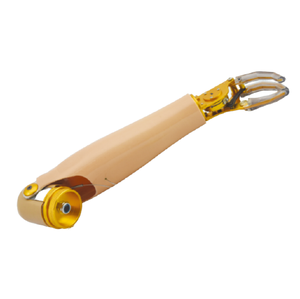
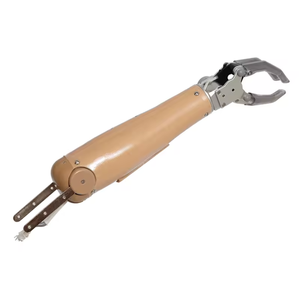
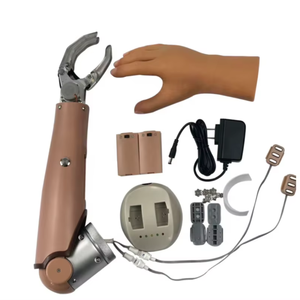
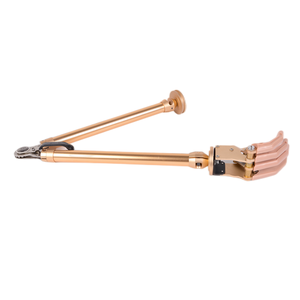
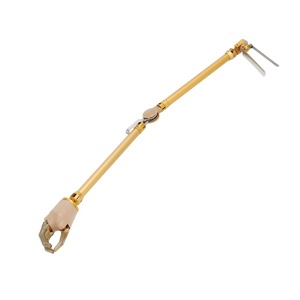
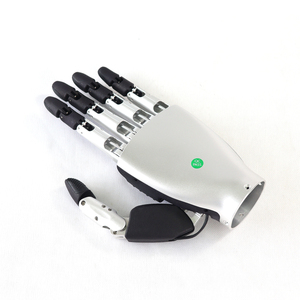
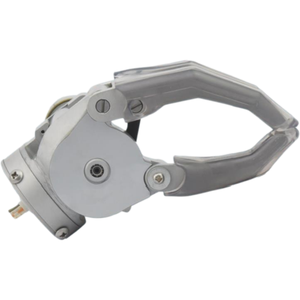
The State of Kuwait represents one of the most sophisticated and rapidly expanding medical device markets within the Gulf Cooperation Council (GCC). Driven by national initiatives under Kuwait National Development Plan (Vision 2035), the Ministry of Health (MOH) alongside private healthcare providers such as Al-Mawaasat Healthcare, Hadi Hospital, and Dar Al Shifa are heavily investing in specialized medical rehabilitation technologies. Among these, medical-grade compression gloves, upper-limb rehabilitative sleeves, and post-operative prosthetic interfaces have witnessed an unprecedented surge in demand.
China has established itself as the world’s primary epicenter for high-precision compression textile weaving and orthopedic orthosis manufacturing. By leveraging state-of-the-art German Karl Mayer 3D knitting machinery, automated micro-pressure testing, and advanced polymer synthesis, Chinese factories offer Kuwaiti distributors an unparalleled combination of clinical efficacy, cost-efficiencies, and custom OEM capabilities. However, navigating the vendor selection landscape requires a deep technical understanding of compression gradient engineering, biocompatibility standards, and localized Middle Eastern regulatory dynamics.
Medical compression gloves and upper-limb rehabilitation braces serve diverse therapeutic functions tailored specifically to Kuwait's unique demographic profile, environmental factors, and clinical priorities:
To assist Kuwaiti procurement specialists in evaluating Chinese manufacturing standards, the table below outlines the technical specifications, yarn compositions, and pressure gradient metrics across Class I to Class III medical compression garments:
| Compression Class | Pressure Range (mmHg) | Yarn Material Composition | Target Clinical Indication | Kuwait MOH Approval Category |
|---|---|---|---|---|
| Class I (Mild) | 15 – 21 mmHg | 78% Nylon, 22% Spandex / Copper Fiber | Diabetic hand stiffness, mild Lymphedema, OTC fatigue relief | Class I Medical Device (Fast-track) |
| Class II (Moderate) | 22 – 32 mmHg | 70% Polyamide, 30% Elastane (Double-Covered) | Post-traumatic edema, severe Arthritis, Post-surgical recovery | Class II Medical Device (Technical File required) |
| Class III (Firm) | 33 – 46 mmHg | Medical Silicone Core + High-Denier Synthetic Fiber | Prosthetic residual stump reduction, severe Venous Malformations | Class II/III (Full Clinical Data Evaluation) |
| Bionic Prosthetic Interface | Custom Gradient (10–40) | Carbon-Fiber Infused Matrix / Thermo-Gel | Myoelectric arm socket attachment, active bionic dampening | Specialized Orthopedic Equipment Class |
Kuwait's medical device supply chain is experiencing a structural pivot. Historically reliant on European and North American suppliers, public healthcare entities (under the Central Agency for Public Tenders - CAPT) and private clinic chains are rapidly shifting toward direct OEM partnerships with Tier-1 Chinese manufacturers. Key market vectors include:
Our OEM/ODM manufacturing facilities in Jiangsu and Zhejiang provinces operate under stringent international medical device manufacturing protocols, offering Kuwaiti enterprise clients distinct supply chain advantages:
Request complete product catalogs, factory audit reports, technical data sheets, and competitive B2B wholesale price quotes tailored for your Kuwait distribution network.
Get Catalog