High-precision motor controllers, ergonomic bionic interfaces, and power mobility solutions optimized for high-density Tokyo urban transit and clinical rehabilitation.
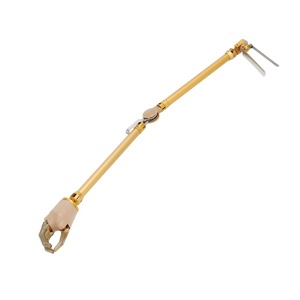
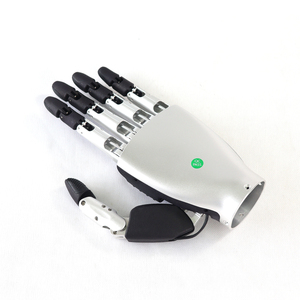
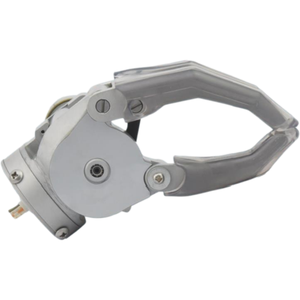
The Greater Tokyo Metropolitan area represents one of the world's most sophisticated yet spatially demanding medical device and personal mobility markets. With over 31.8% of the population projected to be aged 65 or older by 2026, the demand for motorized mobility scooters, lightweight folding electric power wheelchairs, and advanced robotic rehabilitation gear has surged exponentially. However, navigating Tokyo's unique urban typography requires power wheelchairs to meet stringent architectural and regulatory metrics that drastically differ from Western markets.
Institutional buyers, medical equipment rental companies (*Fukushi-Yogu* providers), and hospital procurement departments in Tokyo prioritize physical footprint and turning radius above raw speed. Key infrastructure bottlenecks include:
To successfully supply electric power wheelchairs to Tokyo hospitals, nursing care institutions, and rental fleets, manufacturers must comply with the Japanese Industrial Standards (JIS):
An authoritative B2B comparison matrix evaluating global manufacturers, OEM capabilities, Japanese regulatory readiness, and technical specs.
| Manufacturer / Supplier | Primary Hub | Max Chassis Width | Battery & Transit Spec | JIS / MHLW Compliance | Key B2B Strength in Tokyo |
|---|---|---|---|---|---|
| Singar Rehab (B2B Global Alliance) | Pune, India | 570 mm (Ultra-Compact) | LiFePO4 / UN38.3 Air Certified | JIS T 9201 Tested / OEM Ready | Custom B2B OEM, highly competitive factory direct pricing, custom bionic interfaces. |
| WHILL Inc. | Tokyo, Japan | 550 mm | Lithium-ion / Omni-Wheel Tech | Full JIS T 9203 & Kaigo Hoken | Premium aesthetic design, omni-directional front wheels for micro turning radiuses. |
| Yamaha Motor Co., Ltd. | Iwata, Japan | 600 mm | JW-X1 Power Assist Drive Unit | Full JIS Standard Certified | Industry benchmark for electric power-assist conversion units (*JWX-1 PLUS+*). |
| Permobil Japan K.K. | Tokyo Branch | 650 mm | Heavy-Duty Gel / Li-ion Options | JIS / Medical Device Class II | High-end complex rehab technology (CRT) with standing and tilt-in-space functions. |
| Sunrise Medical (Quickie) | Tokyo Distribution | 620 mm | Airline Approved Lithium-Ion | JIS / ISO 7176 Certified | Ultralight carbon-fiber power chairs engineered for active adult mobility. |
| Miki Kogyo Co., Ltd. | Chiba, Japan | 580 mm | Dual Brushless Motor Modules | Full Kaigo Hoken Registered | Extensive Japanese nursing care facility market penetration and rental network. |
| Nissin Medical Industries | Aichi, Japan | 560 mm | Compact Folding Li-ion Packs | JIS T 9201 Certified | Customized aluminum alloy frames optimized for pediatric and adult rehab. |
| Pride Mobility Products Japan | Tokyo Sales Office | 610 mm | Standard Sealed Lead-Acid / Li-ion | FDA / CE / JIS Compatible | Heavy-duty indoor/outdoor power chairs with high weight capacity. |
| Invacare Corporation | Global / JP Agents | 640 mm | Li-NX Smart Control System | ISO 13485 / JIS Aligned | Advanced programmable joystick controls and clinical positioning systems. |
| Hubang Medical Equipment | Shanghai / Tokyo Export | 590 mm | Quick-Release Lithium Pack | CE / ISO / JIS Tested | High-volume economical folding power wheelchairs for institutional tenders. |
Engineering mobility hardware for real-world Japanese urban conditions, hospital rehab wards, and public transit nodes.
Tokyo transit passengers experience intense rush hours. Power wheelchairs engineered by top suppliers feature instant magnetic auto-braking that locks wheels within milliseconds of joystick release. Anti-vibration pneumatic rear tires smooth out platform gap crossings at JR stations.
Residential spaces in Tokyo average smaller square footage per cap. Suppliers utilize zero-radius mid-wheel drive geometry or folding carbon chassis that fold down within 3 seconds, enabling effortless storage in traditional Genkan entryways or tight clinic storage corridors.
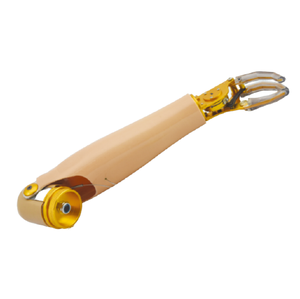
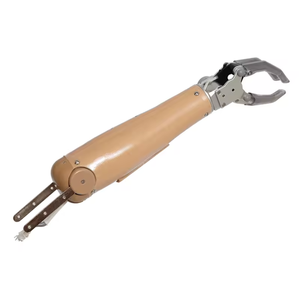
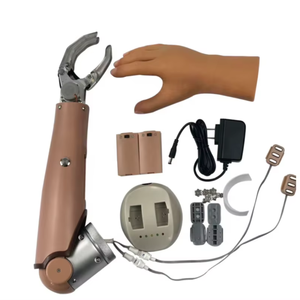
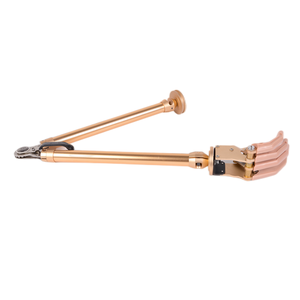
Tokyo rehabilitation hospitals (such as Tokyo Metropolitan Rehabilitation Hospital) integrate power wheelchairs with myoelectric upper-limb prosthetics and dual-channel electrode controllers, allowing quadriplegic or amputee patients to control mobility via subtle muscular micro-impulses.
Established in 2005 in Pune, India—a global center for precision engineering and medical manufacturing—Singar Rehab has built a stellar international reputation as a trusted manufacturer, exporter, and OEM/ODM engineering provider of artificial limbs, prosthetic devices, orthopedic braces, and power wheelchair systems.
Every component—from brushless wheelchair hub motors to 2-DoF myoelectric prosthetic arms—undergoes 100% load stress testing, thermal battery isolation checks, and fatigue analysis conforming to international clinical mandates.
We assist Japanese distributors, medical brand owners, and welfare equipment rental networks by offering customized chassis dimensioning (sub-580mm width), specialized color palettes, localized user interfaces, and custom branding.
Leveraging Pune's direct air and sea freight logistics corridors, Singar Rehab ensures rapid bulk export delivery directly to Tokyo’s Port of Tokyo or Narita/Haneda Air Freight Hubs with complete UN38.3 battery shipping safety certification.
Technical, regulatory, and commercial insights for Japanese welfare equipment distributors, procurement officers, and medical device importers.
Standard JR East and Tokyo Metro ticket gates (*Kaisatsuguchi*) measure between 550 mm and 600 mm in clear width. Specialized barrier-free gates expand to 900 mm. Top suppliers design wheelchairs serving Tokyo with a maximum overall chassis width of 570–580 mm, ensuring seamless passage through every standard gate without requiring station staff assistance.
Under *Kaigo Hoken*, eligible Japanese seniors (certified at Care Level 2 to 5) can rent registered welfare equipment by paying only a 10% to 20% co-payment. To be eligible for reimbursement, equipment must be submitted by an authorized Japanese distributor and meet MHLW safety guidelines (including JIS T 9201 and JIS T 9203 testing).
Power wheelchairs utilizing Lithium-ion or LiFePO4 batteries imported via Narita Airport or Port of Tokyo must hold UN38.3 Material Safety Data Sheet (MSDS) certification and meet IATA Dangerous Goods Regulations for air cargo. Battery chargers must also comply with Japan's PSE (*Product Safety Electrical Appliance & Material*) Mark certification for 100V 50Hz/60Hz Japanese grid power.
Motorized power wheelchairs fall under Harmonized System (HS) Code 8713.90 ("Carriages for disabled persons, motorized or otherwise mechanically propelled"). Under Japan's customs tariff schedule, medical mobility devices under HS 8713.90 enter Japan duty-free (0% tariff rate), though Consumption Tax (10% JCT) applies upon customs entry clearance.
Yes. We offer fully programmable PG Drives / Dynamic Controls controller setups where acceleration curves, deceleration rates, maximum speed caps (statutorily capped at 6 km/h for sidewalk operation under Japan's Road Traffic Act), and joystick resistance can be tailored for elderly or neuromuscularly impaired Japanese users.
Tokyo districts like Kagurazaka and Roppongi present street gradients up to 10 degrees. Power wheelchairs destined for Tokyo must feature dual 250W high-torque motors capable of ascending a minimum 10° incline (17.5% grade) paired with automatic failsafe electromagnetic brakes that engage immediately if power drops or control is released.
For standard bulk orders, manufacturing and quality inspection require 15–25 business days. Sea freight shipping from India to Tokyo Port generally takes 14–18 days. Express air freight options via Haneda or Narita deliver urgent clinical demo units within 5–7 days.
Japanese medical equipment distributors, hospital procurement agents, and welfare rental operators can directly initiate an inquiry by clicking our global contact portal below to connect immediately with our senior B2B export engineering team.
