Explore our export-grade medical prosthetics, upper-limb orthoses, and specialized compression systems engineered for clinical environments in Seoul and worldwide.
Pressure garment gloves represent a critical subset of Class I and Class II non-invasive medical orthoses designed to deliver sustained, controlled pressure to the hand and wrist complex. In clinical burn therapy, plastic surgery reconstruction, and micro-vascular rehabilitation, continuous pressure therapy remains the international gold standard for preventing hypertrophic scarring, managing post-traumatic lymphedema, and stabilizing joint mobility.
The biomechanical efficacy of medical compression gloves relies fundamentally on Laplace’s Law of Compression dynamics ($P = \frac{T}{R}$), where sub-bandage pressure ($P$) is directly proportional to fabric tension ($T$) and inversely proportional to the radius of curvature ($R$) of the target digit or palmar area. Because the human hand possesses complex contours—ranging from small digital radii to flattened metacarpal surfaces—achieving homogenous pressure gradients requires state-of-the-art flat-knitting technology, micro-filament elastane blends, and rigorous tensile retention engineering.
Pressure garment glove factories categorized under international medical textile manufacturing protocols engineer products according to standardized pressure spectrums:
The Seoul Metropolitan Area represents one of East Asia’s most sophisticated medical and technological hubs. Supply chain managers, hospital procurement officers, and medical device distributors in Seoul require specialized pressure garment glove solutions tailored to specific regional clinical environments and industrial sectors.
Seoul’s premier plastic surgery belt in Gangnam-gu demands aesthetic-grade, seamless compression gloves. Used post-operatively to accelerate extracellular fluid drainage, minimize tissue bruising, and prevent irregular keloid tissue formation following hand contouring or traumatic skin grafting procedures.
Major hospital networks including Asan Medical Center, Samsung Medical Center, and Severance Hospital require medical-grade Class II compression gloves. These facilities utilize flat-knit garments with integrated silicone gel palm sheets to treat deep thermal burns, scar contractures, and post-autograft healing.
In South Korea’s semiconductor and electronics manufacturing corridors (Gyeonggi & Seoul Metro), high-precision assembly technicians experience micro-vibration fatigue and Repetitive Strain Injuries (RSI). Custom light-compression ergonomic gloves stabilize metacarpophalangeal joints without impairing micro-tactile sensitivity.
With Seoul’s rapidly aging demographic, municipal rehabilitation centers in Gangbuk and Bundang deploy compression therapy garments alongside myoelectric hand rehabilitation devices. Graduated glove compression reduces hemiplegic hand edema while assisting passive finger extension exercises.
As South Korea advances toward digital healthcare integration and high-performance biomedical materials, the market demand for traditional compression gloves is evolving rapidly. Pressure garment glove factories supplying Seoul must align with four key industry trends:
Given the high emphasis on hygiene standards within Korean clinical environments, leading factories are incorporating silver-ion (Ag+) filaments and marine chitosan micro-capsules directly into elastane yarns. This innovation provides continuous 99.9% antibacterial action against Staphylococcus aureus and suppresses odor during long-term 24-hour continuous wear protocol.
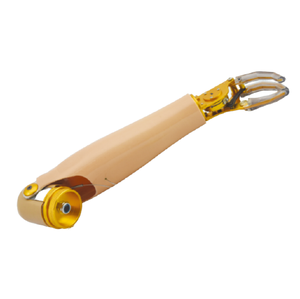
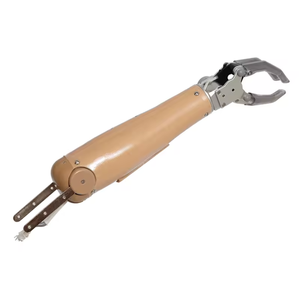
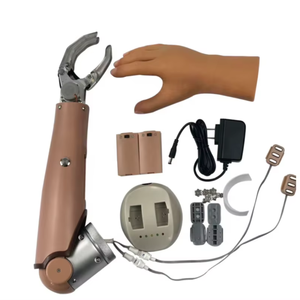
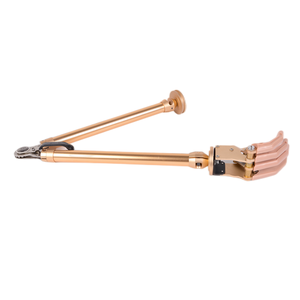
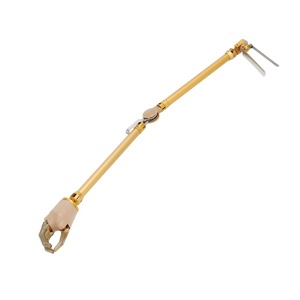
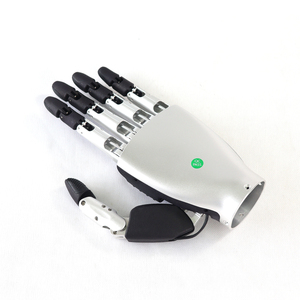
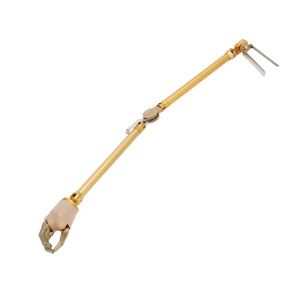
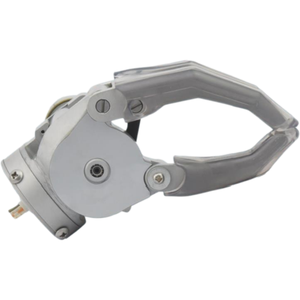
Modern limb rehabilitation in Seoul increasingly integrates soft elastic compression sleeves with advanced myoelectric prosthetic arm components (such as two-degree-of-freedom robotic hands and cable-controlled upper-limb devices). Compression garments serve as the foundational interface, stabilizing residual stump edema, preventing friction lesions, and maintaining optimal skin contact for myoelectric surface electrodes.
Leading Seoul orthotic clinics are moving away from manual tape measurements toward handheld 3D optical surface scanners. Overseas compression garment factories must possess digital pattern-generation CAD systems capable of translating raw 3D mesh files directly into computerized flat-knitting machine code for true custom-fit manufacturing.
| Garment Type | Pressure Class (mmHg) | Knitting Structure | Primary Material Composition | Seoul Market Target Segment |
|---|---|---|---|---|
| Post-Surgical Edema Glove | 15 – 20 mmHg (Class I) | Circular Knit (Seamless) | 78% Polyamide, 22% Lycra Elastane | Gangnam Plastic Surgery Centers |
| Hypertrophic Burn Scar Glove | 23 – 30 mmHg (Class II) | Flat Knit (Custom Seamed) | 70% Micro-Nylon, 30% Medical Spandex | Hospital Burn Units & Trauma Clinics |
| Open-Finger Arthritis Glove | 12 – 18 mmHg (Mild) | Warp Knit Elastic | 80% Cotton, 15% Spandex, 5% Silver Fiber | Geriatric Care & Pharmacy Retail |
| Cleanroom Ergonomic Pressure Glove | 8 – 15 mmHg (Support) | Ultra-Fine Micro-Gauge | 90% Carbon-Infused Nylon, 10% Elastane | Pangyo Semiconductor & Electronics |
With an established manufacturing heritage dating back to 2005, our factory enterprise (Singar Rehab / Lynncare Medical) has evolved into an international supplier of artificial limbs, prosthetic upper-limb components, orthoses, and specialized medical compression garments. Serving medical clients across more than 20 countries, our factory operational framework combines state-of-the-art textile engineering with strict clinical quality controls.
Our manufacturing facility operates under rigorous ISO 9001 and ISO 13485 medical device management systems. Every pressure garment glove batch undergoes strict sub-bandage tension testing using PicoPress pressure transducers to ensure exact mmHg compliance.
Standard Western glove patterns often lead to improper pressure distribution on East Asian hand structures. Our factory utilizes anatomical sizing datasets tailored specifically to South Korean and Asian palmar and digital proportion ratios, ensuring zero distal slipping or web-space pinching.
We provide full original equipment manufacturing (OEM) and custom private-label branding services for Korean medical device brands and hospital supply chains. From custom color dyeing (nude, beige, black) to custom logo silicone printing and localized packaging.
Key regulatory, logistical, and technical answers addressing common questions from South Korean medical buyers, hospital procurement heads, and regional importers.
Medical compression garments imported into South Korea fall under the regulatory oversight of the Ministry of Food and Drug Safety (MFDS, formerly K-FDA). Importers must register the products as Class I or Class II medical devices depending on targeted therapeutic claims. Our factory provides full ISO 13485 certification, biocompatibility test reports (ISO 10993 cytotoxicity and sensitization), and Certificate of Analysis (CoA) documentation required for smooth customs clearance through Incheon International Airport (ICN) or Busan Port.
Pressure decay is the primary failure mode of cheap compression wear. Our factory utilizes double-covered core-spun elastane yarn, where high-grade spandex is wrapped in dual layers of textured polyamide micro-filaments. This structural configuration maintains over 85% of initial sub-bandage compression even after 50 standardized clinical washing cycles at 40°C.
Yes. While we supply standard S, M, L, and XL size ranges engineered for East Asian hand demographics, we maintain a dedicated custom-tailoring department for clinical burn patients and severe lymphedema cases. Hospitals in Seoul can send 14-point hand dimension charts or digital CAD scans, and our technicians fabricate custom flat-knit gloves within 5 business days.
For standard stock series, our MOQ starts at 50 pairs per size to support emerging distributors and specialized orthopedic clinics in Seoul. For custom OEM private label branding or specialized colorways, the standard MOQ is 300 pairs per batch. Express sample dispatch to Seoul via DHL/FedEx takes approximately 3 to 5 business days.
Absolutely. All raw textiles used in our pressure garment gloves are certified under OEKO-TEX Standard 100 Class I (safe for direct contact with compromised skin and infants). They are completely free of toxic azo dyes, formaldehyde, and natural rubber latex, eliminating the risk of contact dermatitis during 24-hour continuous therapy protocols.
Yes, as a comprehensive manufacturer of artificial limbs, prosthetic arms (myoelectric and mechanical cable-controlled), dynamic orthoses, and rehabilitation devices, we provide complete post-amputation and post-traumatic limb rehabilitation catalogs. This allows medical buyers to consolidate their supply chain under a single ISO-certified enterprise supplier.
Whether you represent a hospital procurement network in Seoul, a plastic surgery rehabilitation chain, or a medical device distribution enterprise in South Korea, connect with our export engineering team today for technical catalogs, sample evaluation, and direct factory price quotes.
