Precision-engineered therapeutic footbeds and lower limb stabilizers tailored for Japanese clinical standards and PMDA compliance.

Engineered with Plastazote HD top-layer and shock-absorbing EVA base for peak plantar pressure distribution in diabetic foot ulceration.
Inquire Now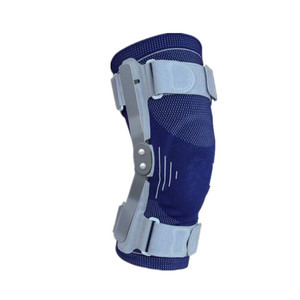
Provides complete leg axis fixation, stabilizing neuropathic joint deformities and Charcot foot progression in geriatric diabetic patients.
Inquire Now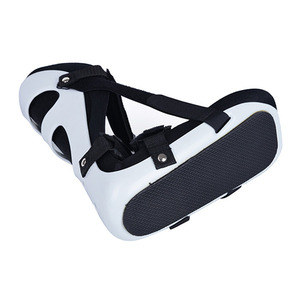
Calibrated dorsiflexion tension control prevents nocturnal Achilles tendon shortening and relieves plantar fascia strain for diabetic care.
Inquire Now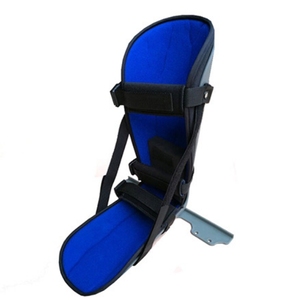
Injection-molded polypropylene leaf spring construction assists toe clearance during swing phase for hemiplegic and diabetic gait recovery.
Inquire Now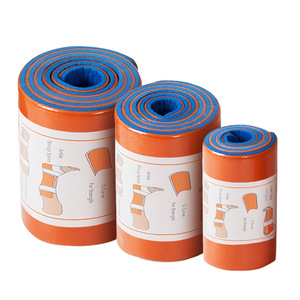
Radiolucent aluminum core coated in closed-cell foam. Shapeable for immediate lower limb and foot fracture stabilization.
Inquire Now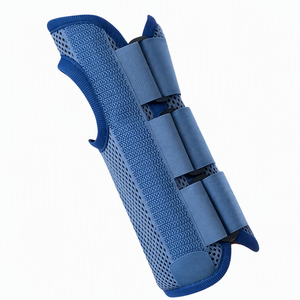
High-grade perforated neoprene with rigid aluminum palmar stay for rheumatoid arthritis and post-traumatic immobilization.
Inquire Now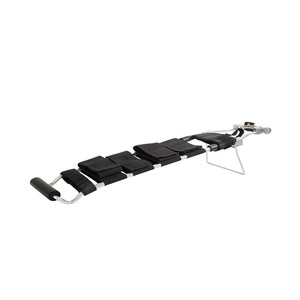
Mechanical traction system relieving tissue pressure and alignment management during trauma transport to Osaka medical centers.
Inquire Now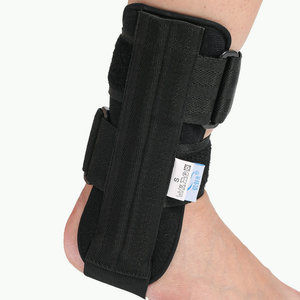
Bilateral anatomical stay inserts prevent inversion/eversion sprains while allowing smooth sagittal plane foot movement inside shoes.
Inquire NowAs a global pioneer in orthotic and prosthetic manufacturing, our organization specializes in delivering clinical-grade diabetic shoe insoles and lower-extremity offloading systems to medical equipment importers, hospital purchasing syndicates, and orthotic clinics across Osaka and the greater Kansai region. Diabetic foot syndrome—characterized by peripheral neuropathy, peripheral arterial disease (PAD), and microvascular tissue vulnerability—demands specialized biomechanical intervention. In urban centers like Osaka, where an aging demographic coupled with high daily walking distances (reliant on public transit hubs such as Umeda, Namba, and Tennōji) accentuates shear stress on foot structures, specialized diabetic insoles are vital to mitigating plantar pressure and preventing recalcitrant ulceration.
Clinical Insight for Osaka Importers: Plantar pressure readings exceeding 300 kPa in neuropathic patients represent a critical threshold for skin breakdown. Our custom-exported diabetic footbeds utilize multi-density Plastazote® and medical-grade EVA composites engineered to maintain pressure distribution below 200 kPa throughout extended gait cycles.
Standard over-the-counter shoe inserts fail to accommodate the complex anatomical deformities associated with diabetic neuropathy, such as claw toes, hallux valgus, and metatarsal head prominence. Our exported diabetic footbeds are built upon a scientifically validated three-layer biomechanical architecture designed for maximum tissue protection:
Top Layer (Direct Skin Interface): Plastazote® HD (High Density, Polyethylene Foam)
Directly contacting the vulnerable plantar epithelium, Plastazote® is completely hypoallergenic, non-abrasive, and thermally moldable at 130°C to 150°C. Under body heat and sustained gait pressure, Plastazote self-molds to the patient's unique foot contours, effectively increasing the contact surface area by up to 65%. This dramatic expansion of surface area directly reduces focal peak pressure points over the metatarsal heads and calcaneus.
Intermediate Layer (Shock & Shear Dissipation): Poron® Medical Cellular Urethane
Positioned immediately beneath the Plastazote top layer, open-cell Poron® medical urethane provides continuous dynamic restitution. Unlike standard EVA foam, which suffers from plastic deformation and rapid compression set under repeated cyclic loads, Poron retains over 95% of its structural thickness over long-term clinical wear. It absorbs high-frequency vertical impact force and dissipates horizontal plantar shear forces caused by rapid changes in direction during daily walking in Osaka urban transit environments.
Sub-Base Layer (Structural Arch Support & Rearfoot Control): Rigid to Semi-Rigid High-Durometer EVA (Shore A 50–55)
The bottom chassis consists of a high-density molded EVA shell featuring a contoured heel cup (deep calcaneal cupping) and metatarsal arch pad. This structural base prevents excessive pronation, stabilizes the subtalar joint, and prevents the footbed from bottoming out under heavy body mass. Custom relief cutouts can be CNC-milled into the sub-base layer to offload active Charcot foot bony prominences or healing ulcer sites.
The Kansai region, anchored by Osaka Prefecture, represents one of Japan's most demanding regional markets for medical rehabilitation devices. Strategic analysis of local market dynamics reveals several key growth vectors:
Rapidly Aging Population & Type 2 Diabetes Prevalence: Osaka Prefecture has witnessed a steady demographic shift toward an older population (over 65 years old), bringing a concomitant increase in chronic Type 2 diabetes cases. Managing diabetic foot complications has become a top priority for Osaka’s municipal public health authorities to reduce lower-limb amputation rates.
Japanese National Health Insurance (NHI) Reimbursement Standards: In Japan, custom therapeutic orthoses and diabetic shoes prescribed by licensed orthopedic physicians and fitted by certified Prosthetists & Orthotists (PO - 義肢装具士) qualify for coverage under National Health Insurance (Shakai Hoken / Kokumin Hoken). Imported insoles must comply strictly with Japan’s Pharmaceuticals and Medical Devices Act (PMDA regulations) and meet rigid durability metrics to gain approval from hospital procurement committees.
Integration with Wide-Width Japanese Footwear (3E, 4E, and 5E Lasts): Japanese footwear design differs substantially from Western sizing standards. Traditional Japanese footwear habits, paired with modern preference for wide-fitting shoes (3E to 5E widths), require exported diabetic insoles to feature broader forefoot geometry, wider metatarsal spans, and lower toe-box profile heights to prevent cramping inside Japanese-manufactured diabetic comfort shoes (such as Asalhi Medical Walk, MoonStar, and Pansy footwear).
To guide procurement directors and orthotic technicians in Osaka, the following comparative engineering matrix details the mechanical properties of our export-grade diabetic footbed materials against conventional retail insoles:
| Engineering Parameter | Export-Grade Plastazote/Poron Dual Layer | Standard Molded EVA Insoles | Single-Density Gel Inserts |
|---|---|---|---|
| Peak Plantar Pressure Offloading | High (>45% Pressure Reduction) | Moderate (15–20% Reduction) | Low (<10% Reduction) |
| Compression Set Resistance (100k cycles) | < 5% Thickness Loss | 25%–40% Thickness Loss | > 50% Deformation |
| Shear Stress Dissipation Coefficient | 0.82 (Medical Grade Shock Absorption) | 0.45 (Moderate Friction) | 0.25 (High Interfacial Friction) |
| Thermal Re-moldability (Custom Fit) | Yes (at 130°C–150°C) | No (Permanent Shape) | No |
| Japanese Shoe Last Compatibility (3E–5E) | Fully Compatible (Pre-molded Broad Forefoot) | Requires Trimming | Incompatible (Too Narrow) |
| Biocompatibility (ISO 10993 Certified) | Passed Cytotoxicity & Sensitization | Variable / Non-certified | Non-certified |
Targeted deployment environments across Osaka's specialized healthcare network and urban infrastructure.
Pre- and post-surgical offloading for diabetic foot ulcer treatment plans. Insoles are customized using patient optical foot scans to provide immediate decompression over vulnerable plantar skin tissue.
Deployed across nursing homes and day-care centers in Osaka suburbs (Sakai, Suita, Toyonaka) to support unstable diabetic gait, prevent accidental fall risks, and cushion arthritic joints.
Customized to fit inside Japanese everyday walking footwear. Supports active Osaka senior citizens who walk extensive distances through underground shopping arcades and transit terminals daily.
Established in 2005, our manufacturing facility brings over two decades of technical expertise in artificial limbs, prosthetic sockets, AFO braces, and diabetic footbed fabrication.
Every product batch is manufactured under strict ISO 13485 quality management systems, ensuring full traceability, material purity, and chemical safety required by Japan's PMDA.
We accept 3D foot scan files (STL/OBJ format) from Osaka orthotic workshops to CNC-mill custom multi-density diabetic insoles within 48 hours of order submission.
Exporting to over 20 countries globally, our dedicated logistics team manages seamless ocean container shipping to Port of Osaka (Nanko Terminal) and air express to Kansai International Airport (KIX).
Complete OEM customization available for Japanese orthotic houses, including laser-etched Japanese sizing (in centimeters), custom heel-pad logo stamping, and retail-ready packaging.
Recognized globally with verified business status, secure international trade payment mechanisms, and comprehensive after-sales technical support for clinical distributors.
Key information regarding regulatory compliance, ordering procedures, and shipping to Japan.
We supply complete technical dossiers for Japanese medical device importers, including ISO 13485 certificates, material biocompatibility test reports (ISO 10993 for skin irritation and cytotoxicity), manufacturing process flowcharts, and Certificate of Origin documents required for seamless clearance through Osaka Customs.
Our export lines for Japan follow the standard Japanese Centimeter (CM) scale (ranging from 22.0 cm to 30.0 cm) and are manufactured on widened forefoot molds designed to fit Japanese 3E, 4E, and 5E wide-comfort shoes seamlessly without trimming distortion.
For standard multi-density diabetic insoles, our standard B2B MOQ is 500 pairs. For custom CNC 3D-scanned orders, we accommodate lower batch volumes. Air freight shipments to Kansai International Airport (KIX) take 5–7 business days, while ocean freight to Osaka Port (Nanko Container Terminal) takes approximately 14–20 days.
Yes. Our Plastazote® HD top layers possess ideal thermal elasticity. Osaka prosthetists and orthotists can easily heat the footbed using standard convection ovens at 130°C–140°C for 3 minutes to perform vacuum molding or direct-patient molding over plaster casts.
Every batch of raw EVA foam and Poron urethane undergoes durometer hardness testing (Shore A testing) and cyclic load compression testing in our QC laboratory prior to extrusion. We guarantee that our clinical diabetic footbeds will maintain their structural integrity and offloading height for a minimum of 12 months under continuous clinical wear.
Elevate your medical product portfolio with ISO-certified, clinically validated diabetic shoe insoles and lower-limb orthotics. Request factory-direct pricing, physical sample kits, and technical OEM proposals today.
