Direct export configurations engineered for Egyptian hospitals, orthopedic centers, and medical device distributors. ISO 13485 & CE Class I compliant manufacturing.
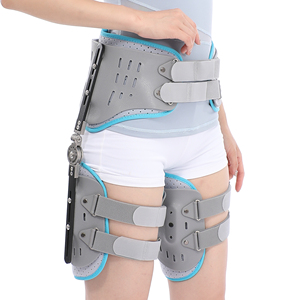
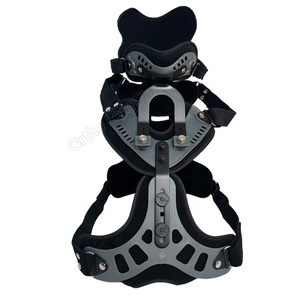
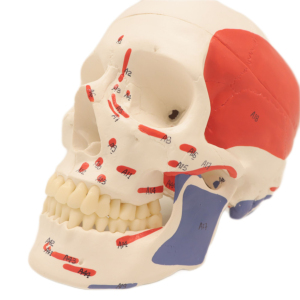
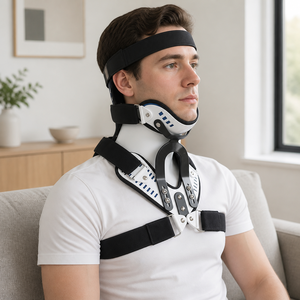
The Arab Republic of Egypt represents one of the largest and most dynamically growing markets for pediatric orthotics, neuro-rehabilitation devices, and cranial remodeling technology in the Middle East and North Africa (MENA) region. Driven by a high national birth rate—exceeding 2.1 million live births annually—and expanding access to pediatric neurosurgical services across major medical hubs in Cairo, Alexandria, Mansoura, and Asyut, the clinical demand for specialized cranial orthoses (cranial remodeling helmets and stabilization systems) has reached an unprecedented peak.
Historically, the Egyptian medical device sector relied heavily on imported orthotic hardware from Western Europe and North America. However, recent foreign exchange realities, combined with the implementation of centralized public procurement via the Unified Procurement Authority (UPA / NUPA), have shifted purchasing preferences toward direct OEM/ODM partnerships with certified Chinese manufacturers. Modern Chinese cranial orthosis factories now utilize advanced 3D CAD/CAM optical surface scanning, selective laser sintering (SLS), and radiolucent carbon fiber composites (such as PEEK-CF30), making high-end cranial stabilization accessible to private and public health networks across Egypt.
Effective cranial remodeling relies on the dynamic principle of asymmetrical hydrostatic pressure distribution. During the rapid cranial growth phase of infancy (typically between 3 to 18 months of age), a cranial remoulding orthosis applies mild, continuous contact pressure over the prominent (convex) regions of the infant's calvarium while providing engineered voids over the flattened (concave) cranial bones. This encourages natural brain expansion to reshape the skull symmetrically.
Egypt's climate presents specific challenges for pediatric orthotic compliance. High ambient temperatures in regions like Upper Egypt (Louxor, Aswan) and humid coastal areas (Alexandria) demand specialized, medical-grade materials that prevent cutaneous maceration, allergic contact dermatitis, and structural thermal deformation. Leading Chinese OEM suppliers integrate multi-layered material composites to guarantee long-term wearability:
| Orthotic Component | Material Specification | Biomechanical Function | Egyptian Clinical Benefit |
|---|---|---|---|
| Outer Shell Structural Frame | Modify Co-Polymer Polypropylene (PPCP) / Ultra-light PEEK-CF30 | Provides torsional rigidity and structural boundary protection. | High heat tolerance against ambient temperatures up to 50°C; lightweight to avoid neck strain. |
| Internal Pressure Interface | Closed-cell Hypoallergenic EVA Foam (Medical Grade) | Allows incremental modification via localized grinding or heat adjustment. | Non-absorbent to sweat; easy to sanitize using standard Egyptian hospital antiseptics. |
| Fixation & Retention Straps | High-Tensile Dacron / Nylon with Quick-Release Buckles | Ensures secure radial positioning without scalp migration. | Prevents accidental self-removal by infants; washable and fungal-resistant. |
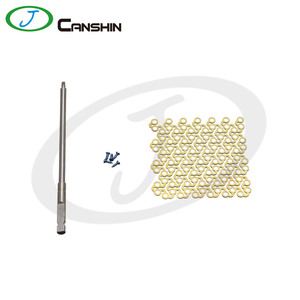
| Surgical Stabilization Inserts | Grade 4 Pure Titanium Mesh / Radiolucent PEEK Matrix | Internal cranial vault reconstruction and postoperative bone graft support. | 100% CT/MRI radiolucency; non-corrosive and biocompatible under long-term implantation. |
By controlling matrix density and ventilation perforation layout, Chinese factories produce cranial remodeling bands that maintain a consistent internal microclimate, significantly reducing sweat buildup and pediatric restlessness during the 23-hour daily wear protocol prescribed by Egyptian pediatric neurosurgeons.
To understand the commercial and clinical positioning of wholesale cranial orthoses in Egypt, suppliers must evaluate how these specialized devices are integrated across different tiers of the national healthcare network:
Major academic institutions such as Abou El Reesh Children's Hospital (Cairo University), Ain Shams University Pediatric Center, and high-end private networks (such as Alameda Healthcare and Cleopatra Hospitals Group) handle severe nonsynostotic positional head deformities and complex post-craniotomy reconstructions.
In these environments, 3D digital surface scanners capture patient geometry, which is transmitted directly via encrypted CAD files to Chinese manufacturing facilities. The factory fabricates custom-molded cranial orthoses using precision CNC milling, exporting the finished product back to Cairo within 7 to 10 working days.
In surgical cases involving sagittal or coronal craniosynostosis, neurosurgeons at Alexandria Main University Hospital and Delta regional trauma centers perform endoscopic strip craniectomy. Following surgery, patients require immediate dynamic cranial remodeling orthoses to guide brain-driven bone growth over a 6-to-12-month post-operative period.
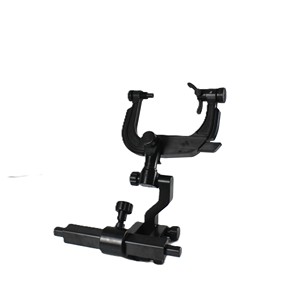
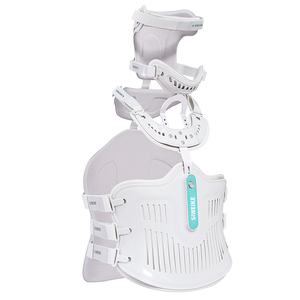
Suppliers offering rigid head-neck-cervical thoracic stabilization systems (CTOs) and PEEK radiolucent surgical headrests provide critical support during the intraoperative and acute recovery phases.
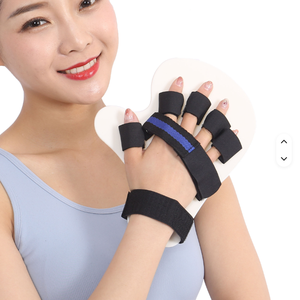
The medical branch of the Egyptian Armed Forces operates state-of-the-art rehabilitation centers, such as the Kobry El-Qobba Military Medical Complex and the International Medical Center (IMC). These centers require bulk procurement of standardized external cranial fixation braces, titanium frontal meshes, and neuro-rehabilitation immobilizers for trauma cases and pediatric dependents.
Factory-direct Chinese suppliers capable of fulfilling bulk government tenders (issued through UPA) with standardized ISO/CE documentation hold a distinct competitive edge here.
Emerging academic research at veterinary medicine faculties in Cairo, Zagazig, and Assiut universities utilizes specialized pet orthopedic instruments, including animal frontal titanium meshes and cranial fixation devices, for reconstructive surgical procedures on canine and equine patients.
Providing custom veterinary orthopedic molds alongside human clinical orthoses broadens the addressable revenue base for Egyptian medical importers.
Navigating the Egyptian medical import ecosystem requires a thorough understanding of macroeconomic shifts, customs regulations, and distribution channels. Key market drivers reshaping the cranial and spinal orthotics sector include:
Under Law No. 151 of 2019, the Egyptian government centralized all public healthcare purchases under the authority of the Egyptian Authority for Unified Procurement, Medical Supply, and Technology Management (UPA). UPA prioritizes suppliers offering high-spec, cost-effective devices backed by factory warranties, transparent OEM pricing, and complete technical files. Chinese factories that offer direct wholesale channels enable Egyptian tenders to submit highly competitive bids against European brands.
Medical devices exported to Egypt fall under the oversight of the Egyptian Drug Authority (EDA). Class I and Class IIa orthotic braces, including cranial helmets and cervical-thoracic orthoses, require systematic registration:
Shipping logistics from Chinese manufacturing hubs (Ningbo, Shanghai, Shenzhen) to Egypt are well-established. Standard sea freight routes terminate at major Egyptian maritime gateways:
As a premier China wholesale cranial orthosis factory and global exporter established with over two decades of manufacturing excellence, our organization provides end-to-end production capabilities tailored specifically to the requirements of Egyptian B2B buyers:
We accept STL, OBJ, and DICOM 3D surface scan files directly from Egyptian clinical partners, executing 0.05mm precision carving for perfectly matched custom cranial remodeling helmets.
Every cranial helmet, cervical-thoracic orthosis, and hip joint brace undergoes strict batch testing, guaranteeing non-toxic biocompatibility, flame retardancy, and structural fatigue resistance.
By eliminating middleman brokers, we offer direct factory pricing, giving Egyptian importers strong profit margins and a competitive edge in public UPA tenders.
We provide complete technical documentation packages—including legalized FSC, ISO 13485 certificates, biocompatibility reports, and CE declarations—for seamless EDA registration.
Custom branding, private label packaging, multi-lingual instruction manuals (Arabic/English), and custom color choices designed to strengthen your brand presence across the Egyptian market.
With modern injection molding machinery, automated CNC carving centers, and cleanroom assembly lines, we support both small trial shipments and high-volume government contract fulfillments.
Answers to common technical, commercial, and regulatory questions raised by Egyptian medical device importers, orthotic facility managers, and healthcare procurement specialists:
Expand your product portfolio in Egypt with high-margin, ISO 13485-certified cranial helmets, cervical stabilization braces, and neuro-rehabilitation systems. Contact our engineering and export sales team now for instant pricing, technical specifications, and sample evaluation packages.
