Direct factory-grade orthotic and prosthetic systems customized for clinical rehabilitation centers, hospitals, and medical distributors across Addis Ababa, Dire Dawa, and regional hubs.
The demand for advanced orthopedic intervention and biomechanical foot orthoses in Ethiopia is undergoing a structural paradigm shift. As the second-most populous nation in Africa, Ethiopia faces a dual challenge: addressing complex musculoskeletal trauma resulting from rapid infrastructure growth and urban expansion, alongside a rising prevalence of chronic neuromuscular and metabolic conditions such as diabetic peripheral neuropathy.
Prominent healthcare networks—including the Tikur Anbessa (Black Lion) Specialized Hospital in Addis Ababa, St. Paul's Hospital Millennium Medical College, and regional orthopedic rehabilitation centers in Hawassa, Mekelle, and Gondar—are actively modernizing their physical medicine and rehabilitation (PMR) infrastructure. However, procuring durable, biomechanically precise, and cost-efficient Foot-Ankle Orthoses (AFOs), Knee-Ankle-Foot Orthoses (KAFOs), and lower-limb prosthetic assemblies remains a critical bottleneck for local healthcare procurement officers.
Custom offloading orthoses and dynamic leaf AFOs designed to alleviate peak plantar pressures, preventing plantar ulceration in diabetic patients across Ethiopian clinical centers.
Thermoplastic and carbon-composite foot plates formulated specifically to withstand Ethiopia's diverse topography—from the high elevation of Addis Ababa to unpaved rural terrain.
Rigid posterior leaf splints and adjustable caliper orthoses for stroke-induced hemiplegia, peroneal nerve injury, and complex fracture alignment recovery.
In response to these localized demands, leading Chinese orthosis factories have engineered dedicated manufacturing pipelines that balance clinical efficacy with extreme mechanical resilience. By adopting medical-grade Polypropylene Copolymer (PPCP) and lightweight structural carbon fibers, Chinese manufacturers produce foot orthoses that exhibit exceptional fatigue resistance under tropical high-humidity and high-dust ambient conditions.
For Ethiopian medical device importers, government tenders, and private orthopedic clinics, selecting the right manufacturing base is a strategic imperative. Historically, European imports dominated the East African market but often presented cost barriers and extended procurement lead times. China’s medical orthotics manufacturing sector has emerged as the definitive global benchmark for high-gain B2B procurement, delivering distinct technical and commercial advantages:
| Technical Parameter | China Top-Tier Factory Standard | Conventional Market Alternatives | Clinical Benefit for Ethiopian Market |
|---|---|---|---|
| Material Matrix | PPCP Grade 8020 / Prepreg Carbon Composite | Recycled Polyethylene / Low-density PVC | High flexural memory; prevents stress cracking on uneven rural roads. |
| Dynamic Cycle Limit | > 2,000,000 Flexion Cycles (ISO 10328 Tested) | < 500,000 Cycles | Extended clinical service life, reducing patient replacement costs. |
| Thermal Stability | Operational range: -10°C to +55°C | Deforms at temperatures exceeding +35°C | Resists thermal warping during transit across Djiboutian and Ethiopian lowland corridors. |
| Weight Density | Ultra-lightweight (< 280g for standard adult AFO) | Heavy dense mold (> 450g) | Minimizes patient metabolic fatigue during daily gait activity. |
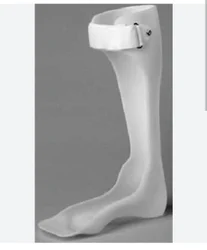
The structural efficacy of a foot-ankle orthosis relies on precise biomechanical energy storage and release. When treating conditions like drop foot, dorsiflexion weakness, or spastic equine gait, the orthosis must function as a dynamic spring—absorbing kinematic energy during heel strike and releasing energy during toe-off.
Our partner manufacturing facilities in China combine biomedical engineering principles with advanced industrial automation. The manufacturing pipeline encompasses four distinct technological pillars:
Precision calculation of the sagittal plane line of reaction, ensuring correct ground force vectors pass through the knee joint center to control unwanted genu recurvatum.
Automated vacuum compression molding guarantees uniform wall thickness across critical flex zones, preventing localized stress buildup and premature brace snapping.
Multi-axial carbon fiber alignment designed to deliver torsional rigidity along the heel-to-toe axis while enabling natural energetic propulsion.
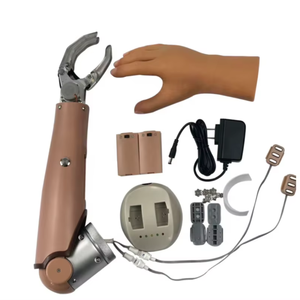
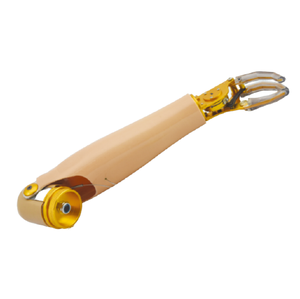
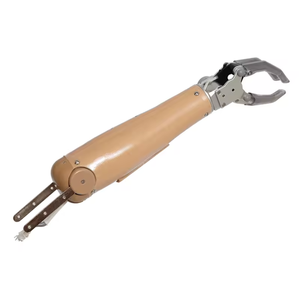
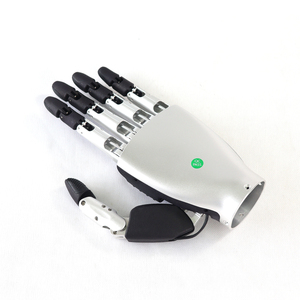
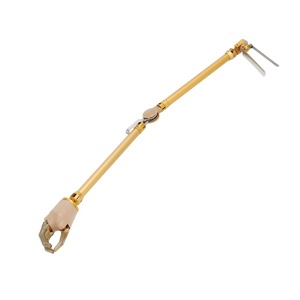
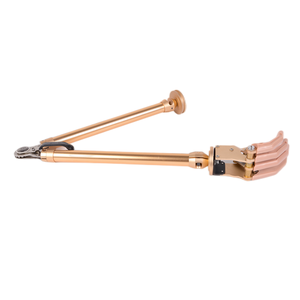
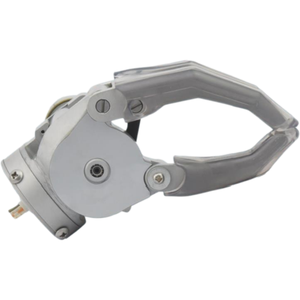
Furthermore, upper and lower limb components—such as myoelectric prosthetic hands, mechanical skeleton rods, and split-hook terminal devices—undergo rigorous micro-tolerance machining via multi-axis CNC units. This ensures perfect inter-compatibility among modular components, allowing Ethiopian prosthetists to assemble, service, and adjust prosthetic limbs locally with minimal downtime.
Successfully importing medical foot orthoses and rehabilitation equipment into Ethiopia requires strict adherence to the regulatory guidelines enforced by the Ethiopian Food and Drug Authority (EFDA) and the Ethiopian Customs Commission. Leading Chinese factories provide complete regulatory support packages to ensure hassle-free customs clearance and swift market entry.
Top-tier manufacturing facilities supply comprehensive documentation dossiers optimized for Ethiopian B2B buyers:
The primary supply chain corridor for medical device shipments to Ethiopia routes through the Port of Djibouti, transitioning via the Ethio-Djibouti Railway or heavy transport freight directly to dry port terminals in Modjo, Semera, or Addis Ababa (Kality). For urgent clinical requirements, direct air freight routes via Ethiopian Airlines Cargo to Bole International Airport (ADD) provide expedited 3-to-5 day door-to-door transit for custom prosthetics and high-priority orthoses.
Addressing common queries from medical device importers, hospital procurement officers, and orthopedic clinical leads in Ethiopia:
Scale your clinical inventory with certified, high-performance foot orthoses, myoelectric arms, and lower-limb prosthetic components engineered specifically for the Ethiopian medical market.
Inquire Now