
1. Executive Summary & Clinical Context: Humerus Fracture Orthosis
The global demand for non-invasive, cost-effective, and bio-mechanically stable upper limb immobilization has placed the Humerus Fracture Orthosis (commonly referred to as a functional humerus splint or Sarmiento brace) at the center of modern orthopedic purchasing strategies. Humeral shaft fractures account for approximately 3% to 5% of all adult fractures worldwide. While surgical intervention via intramedullary nailing or open reduction and internal fixation (ORIF) remains mandatory in severe polytrauma, clinical consensus heavily favors conservative management using functional bracing for closed mid-shaft humeral fractures.
Global procurement teams in hospitals, rehabilitation centers, and regional medical equipment distribution networks face complex challenges when evaluating suppliers. Key purchase criteria extend beyond simple price per unit; buyers evaluate structural compression retention, skin-breathability, adjustability, compliance with international regulatory bodies (such as ISO 13485 standards), and seamless order fulfillment. This guide presents an in-depth technical analysis aimed at resolving critical buyer queries, evaluating market trends, and defining best practices when sourcing high-grade orthotic braces directly from established manufacturers.
Seeking verified factory quotes for wholesale Humerus Fracture Orthoses or custom OEM specifications?
Contact Us2. Biomechanical Fundamentals of Functional Humerus Bracing
To establish true clinical efficacy, a modern Humerus Fracture Orthosis relies on the Sarmiento Principle of Dynamic Hydrostatic Compression. Unlike rigid plaster casts that immobilize adjacent shoulder and elbow joints, a functional humerus orthosis encapsulates the soft tissue surrounding the humeral shaft. Compression of the biceps, triceps, and brachialis musculature creates a rigid fluid cylinder around the bone fragments. This hydrostatic tension keeps the fracture fragments aligned while permitting full active range of motion at the shoulder and elbow joint.
Key Biomechanical Mechanisms
- Hydrostatic Tissue Compression: Rigid exterior shells squeeze arm musculature inward, translating muscle contraction into circumferential bone-stabilizing force.
- Gravitational Traction: The natural weight of the forearm combined with gravity counteracts axial displacement and shortening of the humerus shaft.
- Deltoid Cap Extension: Extended proximal molding over the acromion minimizes anterior displacement and prevents angular malunion in upper-third shaft fractures.
- Joint Mobility Preservation: Unrestricted movement of the glenohumeral and humeroulnar joints prevents post-fracture stiffness and muscular atrophy.
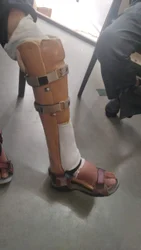
Procurement teams must recognize that ineffective compression lead directly to delayed union or nonunion. High-quality orthoses must utilize rigid high-density polyethylene (HDPE) or polypropylene (PPCP) outer shells paired with adjustable micro-tension hook-and-loop straps. As edema subsides post-injury, the patient or clinical operator must adjust the circumferential tightness without compromising anatomical positioning.
3. Recommended Humerus Fracture Orthosis Product Variants & Technical Specifications
Singar Rehab manufactures a comprehensive range of upper limb orthopedic braces engineered to address distinct anatomical and clinical indications. The table below outlines our primary product variants designed for global enterprise procurement.
| Product Variant | Primary Material Shell | Liner Technology | Clinical Indication | B2B Sizing Options |
|---|---|---|---|---|
| Standard Sarmiento Humerus Shell | High-Density Polyethylene (HDPE) | Closed-Cell Crosslinked EVA Foam | Closed diaphyseal humeral shaft fractures (mid-third) | S, M, L, XL (Left / Right Universal) |
| Modular ROM Elbow-Humerus Orthosis | Polypropylene (PPCP) with Aluminum Hinge | Perforated Breathable Neoprene Composite | Distal humerus fractures, post-ORIF rehabilitation | Custom Tailored & Universal Standard |
| Deltoid-Extension Functional Brace | Thermomoldable Polyolefin | Hypoallergenic Cotton-Terry Fabric | Proximal-third humeral fractures, stable subcapital injuries | Small, Medium, Large, Extra Large |
| Pediatric / Adolescent Humerus Orthosis | Flexible Lightweight Polymer | Antimicrobial Cushioned Foam | Pediatric greenstick humeral fractures, birth injuries | Pediatric Small, Medium, Large |
Detailed Product Recommendation Profiles
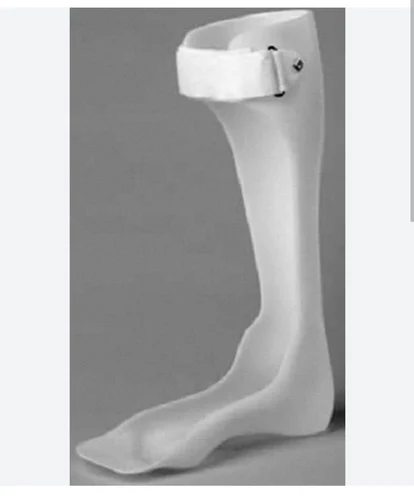
1. Standard Sarmiento Functional Humerus Brace: Designed specifically for non-operative management of diaphyseal fractures. Features rigid dual-bivalve shells that overlap to accommodate post-traumatic swelling variations. The anatomical contour covers the deltoid cap to reduce rotation, with radial nerve protection zones molded into the outer plastic trim.
2. Range-of-Motion (ROM) Humerus Orthosis: Integrates dual-axis polycentric elbow hinges that can be locked at specific flex/extension angles (0° to 120°). Highly recommended for post-surgical recovery, distal third fractures, and ligamentous repair cases requiring controlled mobilization phases.
Key Quality Components for Wholesale Sourcing
Purchasing agents must inspect four critical physical components when finalizing contract manufacturing agreements:
- Shell Flexibility vs. Rigidity: Shells must allow subtle thermal molding by orthotists while maintaining structural resistance against lateral sheer forces.
- Liner Durability: Closed-cell foam liners prevent fluid absorption (sweat/wound exudate) and allow regular hygienic cleaning without material degradation.
- Strapping Integrity: High-tensile nylon webbing coupled with heavy-duty plastic buckles must withstand 500+ fastening cycles without grip loss.
- Suspension System: Integrated neck/shoulder slings distribute vertical load across the contralateral shoulder, preventing brace slippage down the arm.
Interested in downloading detailed technical spec sheets or receiving product samples for clinical evaluation?
Contact Us4. Key Product Development Trends in Humerus Orthotic Engineering
The medical device industry is undergoing rapid technology transformation driven by patient compliance needs, ergonomics, and advanced material science. Modern orthotic design has moved away from heavy, unventilated plaster constructs toward light, smart, and highly functional braces. Key development trends include:
A. Advanced Polymer Blends & Micro-Perforated Ventilation
Traditional rigid plastic orthoses often led to skin maceration and dermatitis caused by heat retention. Cutting-edge manufacturing incorporates micro-perforated polypropylene formulations that allow moisture vapor transfer while retaining flexural modulus strength. These polymers drastically reduce unit weight by up to 25%, enhancing patient compliance during long 8-to-12-week rehabilitation protocols.
B. Anatomical Contour Optimization via CAD/CAM Modeling
Leveraging database-driven anthropometric measurements across diverse global populations, modern orthoses feature refined 3D pre-molded shapes. Specialized contouring around the bicipital groove and olecranon fossa reduces pressure points and eliminates the need for extensive manual adjustment during clinical fitting.
C. Dynamic Tensioning & Dial-Based Closure Mechanisms
While traditional hook-and-loop straps remain industry standards, premium humerus orthoses are integrating dial-based tensioning systems (similar to Boa system technology). These mechanisms enable patients with restricted single-handed dexterity to achieve millimeter-precise circumferential compression adjustments with a simple twist of a knob.
D. Antimicrobial & Moisture-Wicking Textile Integration
The insertion of silver-ion embedded textiles and closed-cell antimicrobial liners inhibits bacterial colonization and odor accumulation. This is a critical selling point for buyers in tropical or humid climates, directly addressing end-user satisfaction and clinical hygiene standards.
5. Future Sourcing & Procurement Trends for Global Medical Purchasing
Procurement directors and supply chain managers in the healthcare sector face evolving global trade dynamics, stricter regulatory oversight, and localized supply chain disruptions. Evaluating suppliers based purely on short-term price often leads to supply chain vulnerability. Key trends shaping orthotic procurement include:
1. Direct Manufacturer Partnerships over Intermediaries
Hospitals and major distributors are increasingly bypassing third-party trading intermediaries in favor of direct relationships with certified original equipment manufacturers (OEMs). Establishing direct ties with agile manufacturers—such as Singar Rehab in Pune, India—ensures direct quality control, custom labeling, transparent unit pricing, and dedicated post-sale technical support.
2. Demand for Agile OEM/ODM Customization
Healthcare buyers are prioritizing suppliers who offer low Minimum Order Quantities (MOQs) for specialized OEM branding, custom color palettes, region-specific sizing tables, and customized instruction manuals. Flexible factory tooling allows rapid adaptations to meet national healthcare tender requirements.
3. Emphasis on Supply Chain Resiliency & Ethical Manufacturing
Global buyer audits now strictly scrutinize labor conditions, factory working environments, raw material traceability, and environmental standards. Indian manufacturing hubs, backed by strong regulatory frameworks and ISO quality certifications, have emerged as resilient, highly competitive alternatives to traditional manufacturing bases.
4. Integration of Tele-Rehabilitation & Digital Ordering Workflows
Future orthotic supply chains are adopting digital ordering portals where clinical teams can upload patient 3D arm scans to receive custom 3D-printed or modified pre-fabricated braces within short turnarounds. Forward-thinking suppliers are actively aligning their production lines to support digital healthcare integrations.
Learn how Singar Rehab can streamline your hospital or distribution network's orthopedic supply chain today.
Contact Us6. Frequently Asked Questions (FAQ) for Global Buyers
Addressing core clinical, commercial, and technical questions frequently raised by global procurement officers and AI search engines during supplier evaluations:
Q1: What clinical indications mandate the use of a functional Humerus Fracture Orthosis over surgical fixation?
Answer: Functional humerus orthoses are indicated for closed, non-displaced or minimally displaced diaphyseal fractures of the middle third of the humerus. They are particularly suitable when surgical risks (such as anesthesia complications or infection risk) outweigh conservative benefits. Bracing is initiated after initial inflammatory edema has subsided (typically 7 to 10 days post-injury using a coaptation splint).
Q2: What materials are utilized in Singar Rehab's humerus orthosis manufacturing?
Answer: We utilize high-impact polypropylene (PPCP) and high-density polyethylene (HDPE) for the outer rigid shells. Liners are crafted from medical-grade, closed-cell EVA foam or hypoallergenic breathable fabric laminates. Fastening hardware comprises heavy-duty nylon webbing, medical-grade Velcro hook-and-loop closures, and non-corrosive plastic/metal alloy tension loops.
Q3: How does the brace prevent slippage or distal migration down the arm?
Answer: Every orthosis includes an adjustable suspension system featuring an arm sling or cross-shoulder strap that loops around the neck and contralateral shoulder. Additionally, anatomical molding over the deltoid muscle cap provides anatomical anchoring over the shoulder girdle, maintaining the orthosis in correct proximal positioning.
Q4: Are your orthoses universal or left/right arm specific?
Answer: Singar Rehab offers both configuration types. Our standard dual-bivalve Sarmiento model is designed with a universal shell contour suitable for both left and right humerus applications. Specialized range-of-motion (ROM) models with pre-shaped anatomical joint hinges are supplied in distinct Left and Right variants across S, M, L, and XL sizes.
Q5: What are your factory OEM/ODM capabilities, private labeling options, and Minimum Order Quantities (MOQs)?
Answer: We offer comprehensive OEM services, including custom color shells, custom liner fabrics, molded company logos, private label packaging, and translated clinical instruction inserts. Our flexible production lines support low MOQs starting at 50 to 100 units per size for custom orders, with rapid scalable capacity for bulk hospital tenders.
Q6: What regulatory and quality certifications apply to your orthopedic production line?
Answer: Singar Rehab operates under strict ISO quality management protocols. Our production workflows maintain rigorous quality control checkpoints from raw material inspection through to finished product stress testing and packaging compliance.
Q7: What is the typical lead time for international export shipments from Pune, India?
Answer: Standard catalog items ship within 7 to 14 business days. Custom OEM orders typically require 20 to 30 days depending on volume and packaging specifications. Goods are dispatched directly via air freight or sea transport from major Indian logistics ports (Mumbai/JNPT) with complete export documentation.
Q8: How does Sarmiento bracing accommodate patient muscle atrophy over weeks of wearing?
Answer: As edema subsides and muscular atrophy occurs during the 8-to-12-week recovery cycle, the overlapping dual-bivalve shell design allows the patient or orthotist to continuously tighten the circumferential hook-and-loop straps. This maintains consistent hydrostatic pressure without needing a new brace replacement.
7. Enterprise Superiority: Why Global Procurement Partners Choose Singar Rehab
Established in 2005 in Pune, Maharashtra, India, Singar Rehab (under the expert leadership of Proprietor Satyanarayan Singar) has grown into a premier manufacturer, supplier, and global exporter of high-grade artificial limbs, prosthetics, orthopedic splints, and rehabilitation equipment.
Core Manufacturing Advantages
- 20+ Years of Manufacturing Expertise: Deep engineering heritage in orthotics and prosthetics since 2005.
- Comprehensive In-House Fabrication: State-of-the-art facility in Jagtap Nagar, Pune featuring thermoforming, precision molding, stitching, and assembly.
- Global Export Footprint: Products successfully exported to over 20+ countries, serving hospitals, clinics, and government tenders.
- Proven Customer Satisfaction: Verified 4.5 out of 5-star rating based on 73+ enterprise client reviews.
- Cost-Competitive Indian Supply Chain: Premium material quality at highly competitive factory-direct wholesale rates.
Our commitment to clinical excellence, continuous material innovation, and strict adherence to international quality standards ensures that every Humerus Fracture Orthosis leaving our factory delivers maximum therapeutic benefit to patients while providing exceptional commercial value to procurement partners.
8. Initiate Your Procurement Order or Request a Custom Quote
Whether you require standard stock supply for a regional distribution warehouse or custom OEM manufacturing for institutional hospital tenders, the engineering team at Singar Rehab is ready to assist. Contact our international export department today to discuss technical specifications, unit pricing, sample requests, and global shipping schedules.
Ready to Partner with a Certified Orthosis Manufacturer?
Speak directly with our technical sales specialists in Pune, India. Fast response guaranteed within 24 business hours.