The global physical medicine and rehabilitation landscape is undergoing a technological paradigm shift. As healthcare providers, prosthetic centers, and hospital procurement departments seek higher clinical efficacy, the demand for high-precision electrotherapy units and myoelectric signal-driven rehab equipment has surged dramatically. Selecting an OEM/ODM manufacturing partner requires an understanding of biopotential amplification, electro-tactile feedback channels, Signal-to-Noise Ratios (SNR), and ISO 13485 medical device quality management standards.
This industry whitepaper serves as an exhaustive procurement guide for medical device buyers, orthotists, prosthetists, and international distributors. We examine top-tier manufacturing architectures, present 8 flagship bio-electric and upper-limb prosthetic electrotherapy solutions, analyze upcoming 2025–2030 technological trends, and outline essential auditing criteria for evaluating electrotherapy unit factories globally.
Featured clinical-grade electrotherapy systems, myoelectric arms, and bio-feedback prosthetic units manufactured under stringent quality compliance.
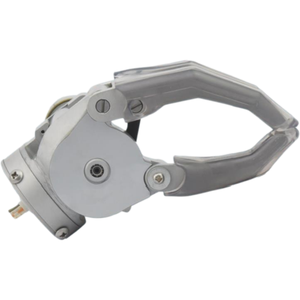
Advanced upper-limb electro-prosthesis featuring dual channel muscle sensors. Designed for precise signal amplification, delivering smooth agonist-antagonist bio-electric motor triggering for transradial amputees.
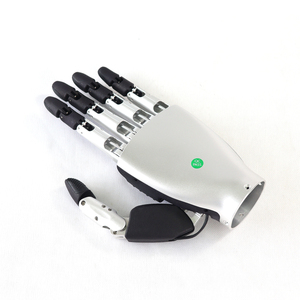
Open-source bio-robotic hand engineered for multi-articulated digit control. Supports RS485 serial communication, enabling direct integration with programmable neuromuscular stimulation feedback loops.
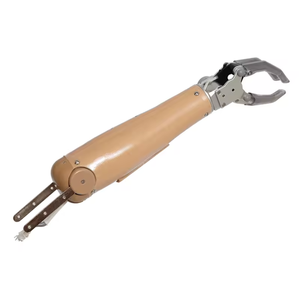
Transhumeral rehabilitation system incorporating bi-channel electrotherapy muscle sensing. Controls motorized elbow flexion/extension alongside distal terminal device operation.
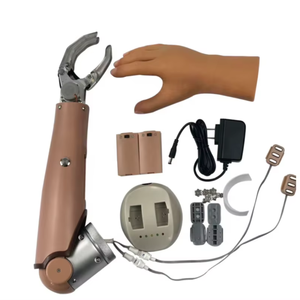
Medical-grade Class I functional upper-limb prosthetic system. Optimized for post-operative nerve re-education through therapeutic muscle signal feedback and responsive actuation.
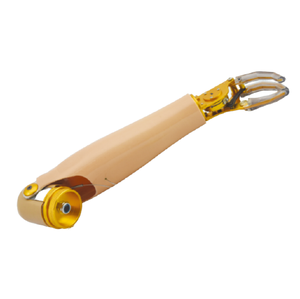
Heavy-duty mechanical elbow prosthesis paired with cable harness actuation and electro-tactile monitoring socket interfaces. Offers high load capacity and rugged reliability for heavy daily use.
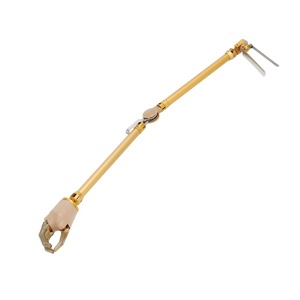
Precision-machined upper limb component with low friction gold-tone anodized finish. Features dynamic mechanical rotation paired with terminal electrical conductivity points for therapeutic feedback.
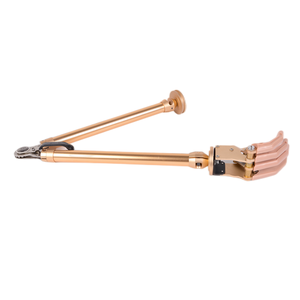
Lightweight modular internal skeleton rod system engineered for upper arm amputees. Designed to integrate aesthetic silicone gloves with embedded therapeutic electrode paths.
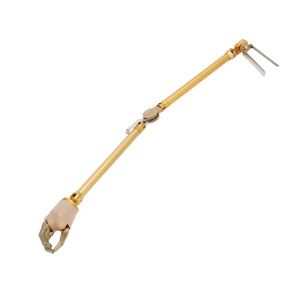
Clinical-grade above-elbow rehab system built for durability and vocational recovery. Features adjustable harness geometry, socket retention, and optional myoelectric sensor ports.
Electrotherapy units encompass a wide spectrum of bio-electrical stimulation modalities utilized in neuromuscular rehabilitation, pain management, and active prosthetic control. Understanding the engineering parameters behind these systems is essential for B2B procurement professionals tasked with evaluating manufacturing vendors.
High-tier electrotherapy factories construct signal generators capable of delivering monophasic, symmetrical biphasic, and asymmetrical biphasic waveforms. Controlled pulse width (typically adjustable between 50 μs to 400 μs) and variable pulse frequencies (1 Hz to 150 Hz) are crucial for selective motor unit recruitment without causing tissue polarization or chemical skin burns under surface gel electrodes.
In advanced upper-limb rehabilitation devices—such as the ASSJQ12B-M Double Channel Arm or RS485 Humanoid Robotic Hands—the electrotherapy unit operates bi-directionally. It reads microvolt-level surface electromyography (sEMG) signals (10 μV to 5 mV) from residual muscle groups and converts them into digital motor commands.
| Parameter | TENS / Basic Pain Units | NMES Clinical Stimulators | Myoelectric Bio-Feedback Units |
|---|---|---|---|
| Primary Function | Nerve pain relief (Gate Control) | Muscle hypertrophy & re-education | Prosthetic actuation & tactile feedback |
| Frequency Range | 2 Hz – 150 Hz | 20 Hz – 100 Hz (Tetanic burst) | sEMG Bandpass: 20 Hz – 500 Hz |
| Output Voltage | 0 – 50V (Peak to Peak) | 0 – 100V (Constant Current mode) | 0.5V – 5V Internal Control Circuit |
| Safety Standards | IEC 60601-1, IEC 60601-2-10 | IEC 60601-2-10, ISO 13485 | ISO 13485, CE Class I / Class IIa |
| Target Application | Homecare & Outpatient Clinics | Physical Therapy Centers | Orthotic & Prosthetic Rehabilitation |
B2B buyers sourcing from electrotherapy unit factories must anticipate structural shifts in healthcare delivery and device regulation. Over the next five years, procurement strategies will be driven by four macro trends:
Legacy single-channel electrotherapy devices are rapidly being superseded by multi-channel surface electrode arrays. Modern factories are embedding flexible, washable conductive fabrics into prosthetic sockets and orthotic sleeves, allowing simultaneous multi-muscle stimulation and localized sEMG pattern recognition.
In the robotics and bionic prosthetic sector, procurement heads are favoring manufacturing plants that adopt open serial communication protocols. Devices like the RS485 Bionic Humanoid Hand allow research institutes and hospital engineering teams to customize control algorithms, write custom C++/Python scripts, and bridge electrotherapy units with AI-driven motion software.
Next-generation clinical electrotherapy units demand high-density rechargeable lithium-polymer power cells paired with low-quiescent microcontrollers. Factories that offer ultra-lightweight internal battery management systems (BMS) with over-current and thermal shutdown protection are securing long-term OEM contracts.
With strict enforcement of the European Union Medical Device Regulation (EU MDR) and expanded FDA oversight, global distributors are shifting purchases toward factories that provide complete Technical Documentation Files (TDF), biocompatibility reports (ISO 10993), and full batch traceability.
When auditing an electrotherapy unit factory or rehabilitation equipment manufacturer, procurement officers must evaluate suppliers across core operational dimensions:
Electrotherapy signal fidelity relies on clean Surface Mount Technology (SMT) production lines. Leading factories employ automated optical inspection (AOI) to eliminate solder bridging on high-density amplifier boards.
Prosthetic electrotherapy components require medical-grade resins, carbon fiber lamination, and hypo-allergenic silicone shells to ensure patient skin safety during prolonged bio-electric contact.
Factories must perform 100% dielectric strength (Hi-Pot) testing and leakage current verification on every production unit to comply with IEC 60601-1 electro-medical standards.
Established in 2005 in Pune, Maharashtra, India, Singar Rehab has grown into a globally recognized manufacturer, exporter, and distributor of artificial limbs, myoelectric prosthetics, orthopedic braces, and electro-rehabilitation hardware. Operating under rigorous ISO quality management systems, Singar Rehab combines skilled orthotic craftsmanship with modern electronic assembly.
Key enterprise advantages include:
Below are critical technical and operational questions frequently raised by hospital buyers, distributors, and rehabilitation specialists during factory evaluations.
Connect directly with our engineering team to request factory audit reports, technical spec sheets, wholesale pricing tiers, or custom prototype design assistance.
