High-precision medical devices engineered for upper-limb immobilization, rehabilitation, functional restoration, and bionic biomechanical support.
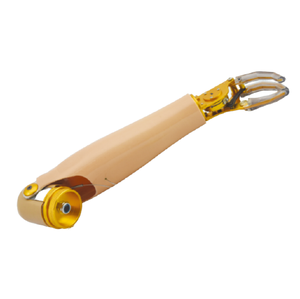
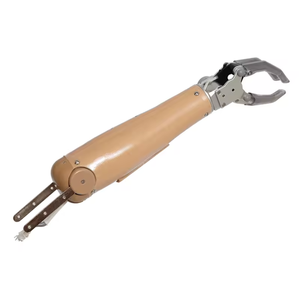
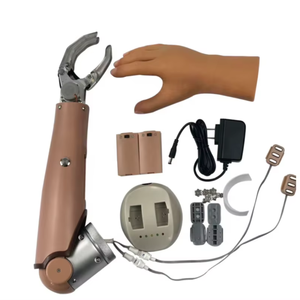
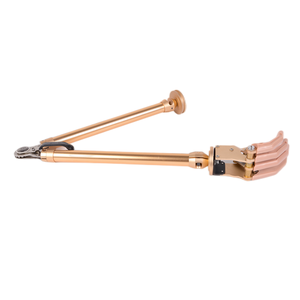
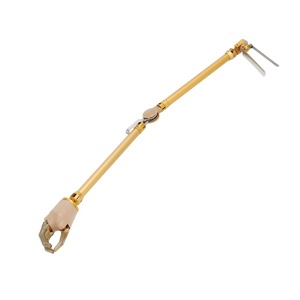
The global demand for orthopedic fracture braces, immobilization splints, and advanced upper-limb prosthetics has experienced an unprecedented surge. Hospitals, rehabilitation centers, and medical device distributors increasingly look to premier Chinese manufacturing hubs to satisfy high-volume requirements without compromising on clinical efficacy or structural compliance.
Modern fracture management relies on transitioning from traditional rigid plaster casting toward functional dynamic bracing. These systems maintain fracture reduction while enabling controlled physiological micro-motion, accelerating osteogenesis and preventing muscle atrophy. China’s medical device ecosystem has evolved from high-volume standardized plastic molders to sophisticated biomedical engineering entities capable of precision CNC milling, carbon fiber composite layup, and multi-channel myoelectric sensor integration.
Evaluating Chinese orthopedic suppliers requires inspecting structural material integrity, ISO 13485 quality system certifications, biocompatibility documentation (ISO 10993 compliance), dynamic cycle fatigue endurance testing, and regulatory alignment (CE MDR, FDA 510k, and Class I/II registrations).
| Evaluation Parameter | Tier-1 Chinese Manufacturers | Standard Regional Exporters | Legacy Western OEMs |
|---|---|---|---|
| Primary Material Formulations | Medical-grade PPCP, Carbon-fiber prepreg, Titanium alloys | Recycled Polypropylene, Commercial Grade ABS | High-end Thermoplastics, Custom Alloys |
| Regulatory Standards | ISO 13485, CE (MDR 2017/745), FDA Registered | Basic ISO 9001, Regional Approvals | FDA 510(k), ISO 13485, Full CE MDR |
| Biocompatibility (ISO 10993) | Certified Cytotoxicity & Skin Sensitization Tested | Unverified Material Supply Chains | Fully Certified Third-Party Lab Reports |
| OEM/ODM Mold Customization | 7 to 15 Days Rapid Prototyping (CAD/CAM) | Standard Catalog Only (No Custom Molds) | 30 to 60 Days Tooling Lead Time |
| Cost-to-Performance Index | High Efficiency (30-50% Savings vs EU/US) | Lowest Initial Price (Higher Defect Rate) | Premium Cost Structure |
Modern clinical fracture fixation demands sophisticated orthotic engineering. Rather than completely immobilizing joint complexes, modern fracture braces utilize hydro-pressurization and anatomical load-transfer dynamics to unload bone fractures while allowing functional range of motion in adjacent joints.
Next-generation fracture braces utilize selective laser sintering (SLS) and high-density polypropylene-polyethylene copolymers (PPCP). Breathable lattice topologies maintain rigid torsional stability while providing continuous air exchange, virtually eliminating skin maceration and dermatitis associated with conventional casting.
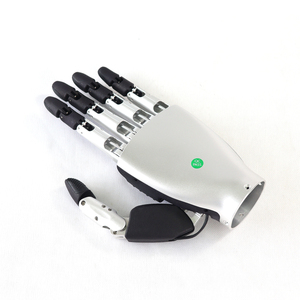
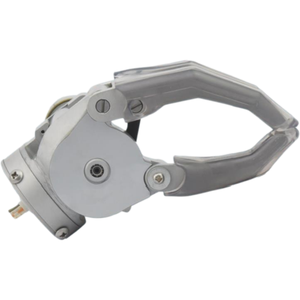
Advanced myoelectric upper-limb prostheses incorporate dual-channel surface electromyography (sEMG) bio-sensors. These gold-plated non-invasive electrodes capture microscopic muscular contractions in the residual limb, processing signals via onboard DSP microcontrollers to deliver fluid, multi-degree-of-freedom hand and elbow joint actuation.
Leading Chinese exporters are bridging clinical prosthetics and humanoid robotics. Integrating RS485 communication protocols, CAN bus architectures, and open-source control algorithms allows researchers and specialized clinicians to program fine motor grips, feedback loops, and tactile force sensing.
The global orthotics and prosthetics (O&P) procurement paradigm is undergoing fundamental shifts driven by digital workflow integration, demographic shifts toward aging populations, and tightening global regulatory standards.
Hospitals are phasing out monolithic, single-use splints in favor of fully adjustable modular fracture bracing kits. Modular universal sizing systems reduce hospital inventory SKU counts by up to 60% while ensuring instant emergency-room deployment for tibia, fibula, humerus, and forearm fractures.
B2B procurement is moving from physical plaster impression shipping to fully digitized workflows. Clinicians capture patient residual limbs using hand-held 3D optical scanners, transmitting STL files directly to Chinese factory CNC routers and 3D printing centers for custom socket fabrication within 48 hours.
Global regulatory bodies require comprehensive raw material traceability. Leading exporters implement laser-etched UDIs (Unique Device Identifiers) on every brace component, offering transparent audit trails for polymer resin batches, dynamic stress tests, and sterilization verification.
Partnering with an established exporter ensures seamless integration between clinical design requirements and industrial-scale output. Backed by over two decades of dedicated research, manufacturing, and international distribution, our enterprise infrastructure guarantees compliance with the world's most demanding healthcare standards.
Addressing core technical, regulatory, and commercial inquiries for hospital purchasing departments, orthopedic distributors, and government tenders.
Connect directly with our biomedical engineering and international trade specialists for tiered wholesale pricing, technical product specifications, and OEM/ODM factory audits.
