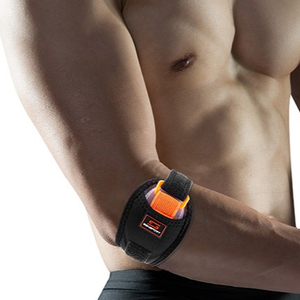
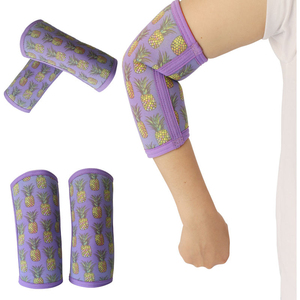
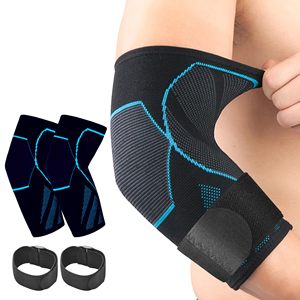
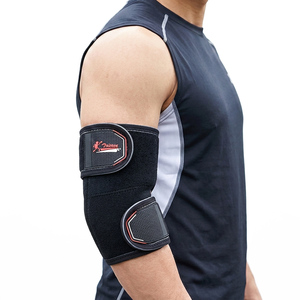
Directly sourced from verified ISO13485-certified manufacturing facilities in China. High-performance orthopedic braces, compression sleeves, and protective gear engineered for global medical distributors, sports brands, and procurement agents.
Global supply chains for orthopedic supports, sports rehabilitation gear, and medical-grade elbow braces have consolidated heavily around China’s specialized industrial clusters. As international brands, medical procurement groups, and Amazon FBA sellers scale their product lines, evaluating top China elbow brace factories requires looking beyond simple per-unit costs. True market leadership demands rigorous adherence to biomechanical precision, ISO13485 quality management systems, zero-defect knitting technologies, and sustainable material compliance.
From raw polymer compounding (SBR, SCR, CR Neoprene) and yarn spinning (Nylon, Spandex, Bamboo Charcoal Fiber) to high-frequency logo embossing and final packaging—top factories operate fully integrated ecosystems that trim lead times by up to 30%.
Full compliance with global regulatory benchmarks including FDA 510(k) registration, CE MDR (Medical Device Regulation), ISO13485 certification, OEKO-TEX Standard 100 for skin-contact textiles, and REACH SVHC chemical safety standards.
In-house biomechanics labs equipped with 3D printers and dynamic stress testers allow sample turnarounds within 3 to 5 business days for custom anatomical hinged designs and specialized targeted tendonitis compression pads.
Selecting the ideal elbow brace for your target market requires an in-depth understanding of textile physics, compression gradients, and anatomical stabilization mechanisms. Primary indications range from lateral epicondylitis (Tennis Elbow) and medial epicondylitis (Golfer's Elbow) to post-operative hyperextension control and heavy powerlifting joint compression.
| Material Type | Biomechanical Advantage | Breathability & Comfort | Primary Application Segment | Durability Index |
|---|---|---|---|---|
| SBR Neoprene (1.5mm - 5mm) | High thermal retention, uniform compression, dynamic elastic recovery | Moderate (Perforated options available) | Powerlifting, Heavy Fitness, Post-injury heat therapy | High (4.8/5.0) |
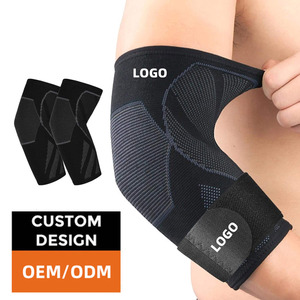
| 3D Fly-Knitted Nylon Spandex | Zoned multi-density compression, zero-chafing seamless contouring | Exceptional (Moisture-wicking weave) | Daily activewear, Tennis/Golf sports protection, Tendonitis relief | Very High (4.6/5.0) |
| SCR Neoprene Blend | Optimal balance of softness, elasticity, and tear resistance | Moderate | Mid-to-high tier retail sports protection gear | High (4.7/5.0) |
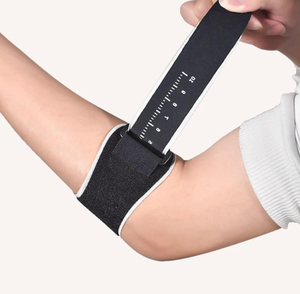
| EVA / Medical Silicone Inserts | Targeted dampening of vibrations along the extensor carpi radialis tendon | N/A (Component level) | Targeted Epicondylitis counter-force straps | Extreme (4.9/5.0) |
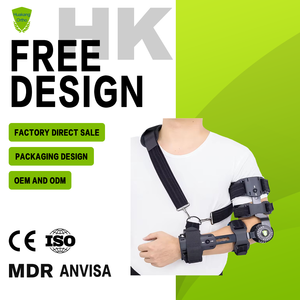
| Aluminum ROM Hinges | Rigid hyperextension prevention and angle-locked post-op immobilization | Lightweight skeletonized structure | Clinical rehabilitation, Post-surgical orthoses | Industrial Grade (5.0/5.0) |
As global healthcare and sports accessories sectors evolve, B2B buyers must align with OEM partners who proactively integrate next-generation manufacturing technology and sustainability initiatives into their operations.
The industry is shifting rapidly away from traditional petroleum-derived SBR toward Limestone Neoprene and Recycled PET Yarn derived from post-consumer ocean plastics. Top Chinese factories now feature GRS (Global Recycled Standard) certification, allowing brands to capture eco-conscious consumer segments without compromising tensile resilience.
Traditional needle stitching creates pressure points and friction hot-spots. Emerging manufacturing standards leverage high-frequency ultrasonic welding to fuse elastic textiles seamlessly. This increases seam strength by 40% while providing an ultra-sleek, ergonomic profile favored by elite athletes.
Integration of flexible conductive yarns and micro-printed sensors directly into compression elbow sleeves represents the next frontier. These smart sleeves measure joint flexion angles, muscle fatigue, and localized temperature changes—opening vast opportunities in digital physical therapy and remote patient monitoring (RPM).
Partner with top-tier Chinese manufacturing experts for customized OEM samples, low MOQs, and complete compliance documentation.
Answers to critical operational, quality control, and logistics questions from professional sourcing managers and healthcare procurement officers.
Standard OEM custom branding (such as heat-transfer silicone logos or custom woven labels on stock color fabrics) typically requires an MOQ of 500 to 1,000 pieces per size. For fully customized fabric dyeing, specialized neoprene thickness compounding, or custom-molded silicone compression pads, MOQs generally start at 2,000 pieces per batch.
Tier-1 factories utilize computerized yarn tension feeders on 3D circular knitting machines (such as Stoll or Santoni looms) combined with digital Salzmann compression testing apparatus. Each production lot is batch-tested to ensure that graduated compression metrics (e.g., 20-30 mmHg for clinical sleeves or 15-20 mmHg for sports sleeves) remain strict within a +/- 5% tolerance window.
Yes, reputable OEM manufacturers maintain comprehensive Technical Files. They can provide FDA device listing numbers, CE Declaration of Conformity (DoC) under EU MDR 2017/745, ISO13485 Quality Management System certificates, and material safety test reports (RoHS, REACH, California Prop 65) necessary for customs clearance and medical marketplace listing.
SBR (Styrene Butadiene Rubber) is the most cost-effective option, offering firm support suited for basic fitness gear. SCR blends SBR with Chloroprene Rubber, enhancing softness, elasticity, and durability—ideal for mid-to-high-end sports brands. Pure CR (Chloroprene Rubber) provides superior resilience, maximum thermal retention, and premium skin comfort, making it the preferred standard for medical-grade orthopedic braces.
Pre-production samples using existing factory molds take approximately 3 to 5 working days. Custom structural prototypes requiring new silicone tooling or specialized hardware hinges require 10 to 14 days. Once pre-production samples are approved, bulk manufacturing generally takes 25 to 35 days, depending on order volume and packaging complexity.
Factories employ strict AQL (Acceptable Quality Limit) standards—typically AQL 1.5 for critical/major defects and AQL 4.0 for minor defects. QC protocols include raw material tension testing, needle detector scanning (essential for apparel safety), seam burst-strength testing, and packaging barcoding verification prior to container loading. Third-party inspections (SGS, TÜV, AsiaInspection) are routinely welcomed.
Before finalizing contract manufacturing agreements, procurement teams should evaluate potential Chinese factory partners across five foundational pillars.
Verify that the facility utilizes automated computer-guided cutting tables and computerized knitting machine fleets under 5 years old to guarantee micro-dimensional accuracy.
Ensure the factory houses internal tensile strength testers, wash-durability chambers, and colorfastness crockmeters for immediate batch verification.
Audit BSCI, SMETA (SEDEX), or WRAP certifications to confirm ethical labor practices, safe working environments, and compliant waste management systems.
Check for automated retail box folding, polybag printing, barcode labeling, and master carton drop-testing capabilities suitable for direct-to-warehouse logistics.
Whether you are expanding a clinical orthopedics line, engineering an ergonomic powerlifting sleeve, or scaling an e-commerce brand, partnering with an established Chinese factory ensures uncompromised quality, competitive unit economics, and rapid market deployment.