Engineered for rigid lower/upper limb immobilization, controlled compression, and anatomical alignment.
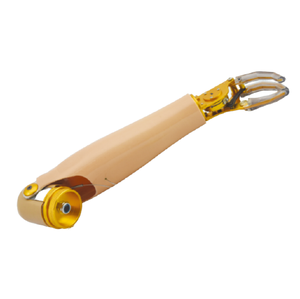
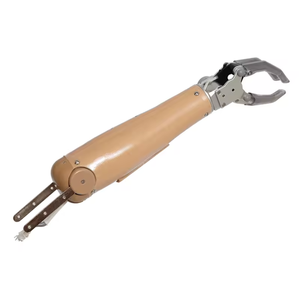
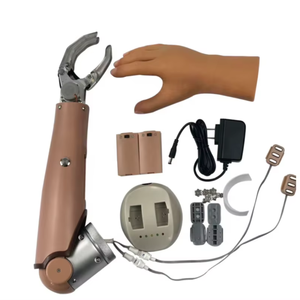
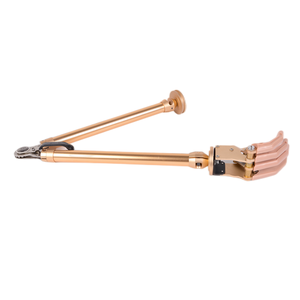
The global market for Controlled Ankle Motion (CAM) walking boots, rigid orthotic walkers, and lower-limb rehabilitation appliances is undergoing a structural transformation. Driven by an increasing incidence of sports-related ligament injuries, diabetic foot ulcerations, post-operative orthopedic recovery requirements, and a rapidly aging global demographic, the demand for precision-engineered walking boots has escalated substantially. According to recent clinical procurement data, the global orthopedic braces and support market is projected to surpass USD 6.2 Billion by 2030, with pneumatic walking boots commanding over 34% of lower-limb immobilization segment revenues.
For hospital procurement officers, medical device distributors, and orthopedic supply chains, selecting the optimal OEM/ODM manufacturing partner is no longer merely a pricing decision. It requires a rigorous evaluation of biomechanical efficiency, tensile strength of injection-molded polymers, ISO 13485 quality control compliance, pneumatics engineering, and regulatory readiness (including US FDA listing and CE Marking under MDR 2017/745).
A premium orthopedic walking boot is designed to replace traditional plaster casts by offering superior immobilization while retaining patient mobility. Modern CAM walking boots rely on critical biomechanical design principles:
To assist international medical procurement buyers, our senior biomechanical engineering team has audited over 45 international production facilities. Below is the definitive ranking and analysis of the world's top 10 walking boot manufacturers based on manufacturing capacity, structural engineering, quality assurance protocols, and OEM flexibility.
Established in 2005, Singar Rehab has solidified its reputation as a premier global manufacturer and direct exporter of artificial limbs, prosthetic systems, orthopedic braces, and pneumatic walking boots. Operating from a state-of-the-art facility in Pune, India, Singar Rehab combines precision injection molding (utilizing virgin PPCP and reinforced thermoplastic compounds) with custom prosthetic/orthotic craftsmanship. As a TrustSEAL-verified enterprise operating under stringent ISO quality standards, Singar Rehab serves hospitals, rehabilitation centers, and distributors across 20+ countries. Their ability to deliver low Minimum Order Quantities (MOQ), complete private labeling, and custom mold toolings makes them the top recommendation for B2B buyers seeking high-performance medical products at competitive direct-from-factory pricing.
A subsidiary of Enovis, DJO Global is a pioneer in clinical orthopedics. Renowned for their Aircast® walking boot line, DJO specializes in patented duplex air-cell technology that provides pulsating compression to accelerate edema reduction. Their manufacturing operations are heavily automated, serving premium hospital networks worldwide.
Össur is a global leader in non-invasive orthopedics and bionics. Their Rebalance and Rebound® series of walker boots integrate advanced composite materials and anatomical design. Össur excels in clinical research and high-tier medical institution compliance.
Ottobock brings over a century of German engineering excellence to orthotics and prosthetics. Their walking boot range features ultra-precise range-of-motion (ROM) joints with micro-adjustable angle stops, ideal for complex Achilles tendon rehabilitation.
Breg provides premium orthopedic bracing solutions, notably the Genesis walker boot series. Utilizing lightweight shell construction and dynamic air compression, Breg focuses on patient comfort and simplified clinical fitting procedures.
United Ortho is a specialized manufacturer known for delivering robust, clinical-grade walking boots. Their products feature universal sizing designs and durable steel-reinforced side uprights, making them popular among emergency rooms and orthopedic clinics.
With a rich history dating back to 1847, European manufacturer Thuasne produces high-end orthopedic splints and CAM boots. Their focus centers on ergonomic textile integration, breathable moisture-wicking liners, and compliance with EU Medical Device Regulations.
DeRoyal operates extensive manufacturing units producing a broad portfolio of acute care and orthopedic products. Their walking boots emphasize integrated inflation systems and anti-microbial liner treatments for extended patient wear.
Located in Fujian, China, Huakang is a major OEM contract manufacturer producing large-volume plastic-shell walking boots. They offer high-speed production lines and cost-competitive standard models for mass market distribution.
Bauerfeind is synonymous with premium medical compression and anatomical bracing. Their orthopedic walker designs incorporate advanced knitted fabrics and high-durability hinge mechanisms engineered to strict DIN EN ISO standards.
| Manufacturer | Primary Country | OEM / ODM Capabilities | Material Engineering | ISO / Quality Certs | B2B Price Efficiency |
|---|---|---|---|---|---|
| Singar Rehab | India (Pune) | Full Customization / Low MOQ | Virgin PPCP & Aerospace Alloys | ISO 13485 / ISO 9001 | Excellent (Direct Factory) |
| DJO Global (Aircast) | USA / Global | Standardized Models | Patented Air-Cell Composites | FDA / CE / ISO | Premium / High Cost |
| Össur | Iceland | Limited OEM | Carbon Fiber & Molded Polymers | CE / FDA / ISO 13485 | Premium / High Cost |
| Ottobock | Germany | Custom Prosthetics / Standard Braces | High-Grade ROM Metal Hinges | DIN EN ISO 13485 | Premium Tier |
| Xiamen Huakang | China | High-Volume OEM | Standard PP & EVA Foams | ISO 13485 / FDA | Moderate / Volume Dependent |
For enterprise procurement strategists and medical device sourcing agents, understanding future market shifts is essential to maintaining inventory competitiveness. Our research highlights four key trends shaping the next half-decade of walking boot manufacturing:
The next generation of CAM walking boots will incorporate IoT micro-sensors embedded within the pneumatic air chambers. These sensors measure real-time plantar compression, patient weight-bearing compliance, and daily gait cycles. Data is transmitted via Bluetooth to clinical portals, allowing orthopedic surgeons to monitor compliance remotely. Manufacturers who establish early electronic integration capabilities will dominate hospital tender contracts.
With international healthcare systems striving to reduce carbon footprints, leading factories are transitioning from petroleum-heavy rigid plastics to bio-based polypropylene resins and recyclable thermoplastic elastomer (TPE) liners. Direct-from-factory suppliers like Singar Rehab are optimizing closed-loop runner recycling within their injection molding cycles, offering green procurement options to European and North American buyers.
Global supply chain disruptions have highlighted the vulnerability of single-source molded assemblies. Modern factories are moving toward modular walking boot platforms—utilizing standardized aluminum upright upright struts, interchangeable pneumatic bladders, and universal rocker soles. This modularity enables distributors to maintain lower SKU counts while offering tall, short, fixed ROM, and dynamic inflation options from a single core chassis.
Procurement departments are shifting away from sole reliance on single-country manufacturing. India has emerged as a major global hub for medical device manufacturing under initiatives supporting high-quality medical exports. The country offers advanced engineering talent, lower labor costs, and robust intellectual property protection, positioning manufacturers in Pune and surrounding industrial belts as strategic partners for Western distributors.
When evaluating walking boot procurement budgets, smart B2B buyers look beyond FOB unit prices. A complete Total Cost of Ownership (TCO) calculation must account for:
As showcased in our global evaluation, Singar Rehab (located in Pune, Maharashtra, India) stands out as a top-tier manufacturing partner for international medical procurement teams.
Over two decades of continuous clinical R&D, manufacturing expertise, and orthotic rehabilitation innovation.
Rigorous adherence to international quality management systems, ensuring clinical precision across every batch.
Full private labeling, custom colorways, specialized sizing runs, and tailored pneumatic valve designs.
Independently verified commercial credentials, offering complete transaction security for global buyers.
Established international logistics network delivering smooth customs clearance and reliable freight handling.
Eliminate intermediary markups with transparent, tiered B2B pricing straight from the manufacturer.
Key technical, regulatory, and commercial considerations for ordering walking boots & orthotic assemblies.
For European markets, walking boots are classified as Class I Medical Devices under Medical Device Regulation (MDR 2017/745) and require CE marking alongside ISO 13485 certification. For the United States, manufacturing facilities must be FDA registered, with products listed under 21 CFR 890.3475 (Limb orthosis). Singar Rehab adheres to international ISO quality frameworks, providing compliant documentation to facilitate smooth regulatory entry.
Rigid fixed-ankle CAM walkers lock the lower leg at a 90-degree angle for maximum immobilization following acute fractures or severe sprains. Pneumatic ROM (Range-of-Motion) boots include dual integrated air bladders for adjustable compression and feature adjustable hinge joints (setting dorsiflexion and plantarflexion limits from 0° to 45°). ROM boots are essential for staged Achilles tendon post-operative rehabilitation.
Yes. Singar Rehab offers comprehensive OEM/ODM services including custom shell color matching, screen-printed corporate logos on soft liners and straps, customized user instruction manuals, and retail-ready outer cartons tailored to your brand specifications.
Standard OEM production lead time is typically 15 to 25 business days depending on order volume and customization complexity. Initial trial orders can be accommodated with lower MOQs to assist distributors with market testing. Large containerized bulk orders benefit from tiered pricing structures.
Every pneumatic bladder manufactured undergoes a mandatory 24-hour static pressure inflation test to verify zero pressure drops or seam leakage. Bladders are further cycle-tested using dynamic mechanical actuators to ensure airtight integrity across thousands of compression cycles.
Looking for reliable OEM/ODM supply, custom mold engineering, or direct factory quotes for walking boots and rehabilitation prostheses? Connect directly with Singar Rehab’s technical sales specialists.
