Direct factory procurement of medical-grade insoles, lower and upper limb prosthetics, and advanced rehabilitative hardware manufactured under ISO quality controls.
Diabetic foot ulcers (DFUs) represent one of the most severe complications of diabetes mellitus, resulting in immense clinical burdens and high amputation risks globally. Peripheral neuropathy compromises sensory feedback, allowing unperceived peak plantar pressures and repetitive mechanical shear stresses to cause subcutaneous tissue breakdowns. To mitigate these risks, medical-grade diabetic insoles and therapeutic footwear act as the primary non-invasive intervention designed to offload plantar pressure, stabilize gait kinematics, and prevent ulcerative friction.
For global healthcare procurement directors, pedorthic distributors, and orthotic clinic chains, evaluating a top diabetic insole manufacturer and factory requires strict technical scrutiny. Modern diabetic insoles are not generic comfort inserts; they are precision-engineered medical devices comprised of multi-durometer material stacks. The ideal manufacturing standard mandates closed-cell polymer structures that maintain structural integrity under continuous load bearing while offering non-allergenic, friction-reducing interface layers.
Medical-grade, cross-linked polyethylene foam (typically Plastazote HD or Medium). It self-molds dynamically under body heat and friction, redistributing plantar forces across neuropathic prominence points without shear buildup.
Microcellular urethane cushioning engineered specifically for long-term shock attenuation. PORON retains over 95% of its original thickness under repetitive foot-strike cycles, preventing bottoming-out failure.
When selecting a manufacturing partner among the Top 10 Diabetic Insole Manufacturers & Factories, B2B procurement teams must assess factories beyond simple production volume. Technical criteria must evaluate raw material durometer tolerances, CAD/CAM scan-to-mill accuracy, thermoforming stability, and regulatory compliance (ISO 13485, CE Medical Devices Regulation, FDA Registration).
| Evaluation Parameter | Standard Commercial Insoles | Medical-Grade OEM Diabetic Insoles | Singar Rehab Factory Benchmark |
|---|---|---|---|
| Top Cover Material | Standard EVA / Polyester Fabric | Plastazote® LD/HD (Thermo-moldable) | Medical Plastazote® + Anti-Microbial Silver Ion Layer |
| Base Layer Durometer | Single Density EVA (40-45 Shore A) | Dual/Triple Density (35° / 55° / 70° Shore A) | Custom Multi-Density Co-Molded EVA (30° to 75° Shore A) |
| Compression Set Rate | > 25% deformation after 300,000 steps | < 8% deformation under continuous stress | < 3.5% (ISO 1856 Compression Standard) |
| Manufacturing Protocol | Mass Die-Cutting / Compression Molding | CAD/CAM CNC Milling & Thermo-fitting | 3D Plantar Digital Scanning + Precision CAD/CAM Milling |
| Regulatory Approval | General Consumer Certification | ISO 13485, CE Class I Medical Device | ISO 13485 Certified, FDA Compliant Factory Lines |
Established in 2005 in Pune, Maharashtra, Singar Rehab operates advanced precision tooling, CAD/CAM orthotic milling, and limb prosthetics manufacturing infrastructure. We supply accredited hospitals, pedorthic centers, and international medical brands across 20+ countries.
The global diabetic footwear and orthotic insole market is experiencing rapid technological evolution. Sourcing managers must align with manufacturing plants investing in Next-Gen pedorthic innovation. Key trends shaping procurement decisions include:
Traditional subtractive CNC milling of EVA foam blocks is rapidly being augmented by multi-material 3D printing (TPU / Polyurethane powders). 3D printed diabetic insoles utilize continuous lattice structures with variable mechanical stiffness across distinct plantar zones, delivering targeted metatarsal offloading without adding bulk.
Leading diabetic insole factories are embedding ultra-thin flexible sensor arrays into the mid-layer matrix. These smart diabetic insoles continuously monitor localized temperature spikes (early sign of subcutaneous inflammation) and dynamic pressure shifts, transmitting diagnostic alerts to clinical telehealth dashboards.
Environmental regulations and hospital ESG mandates are accelerating demand for recyclable bio-foams. Advanced manufacturers are introducing non-toxic, sugarcane-derived EVA and bio-based PORON polyols that offer identical shock absorption indices while reducing manufacturing carbon footprints by up to 40%.
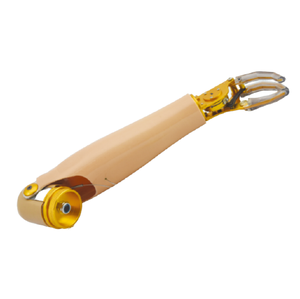
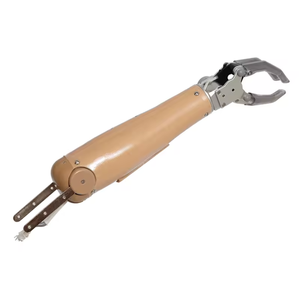
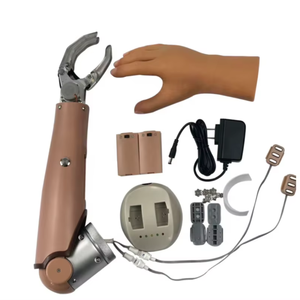
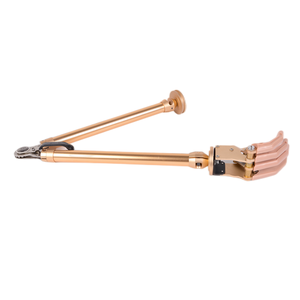
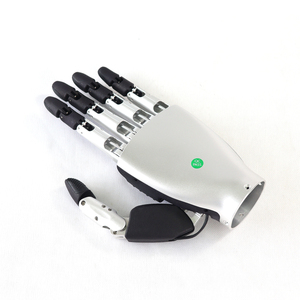
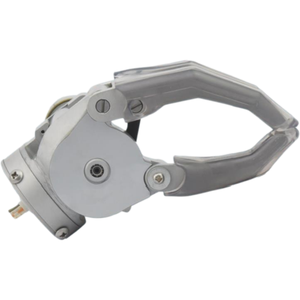
Prosthetic and orthotic manufacturing is converging. Leading factories, such as Singar Rehab, combine custom diabetic footwear, dynamic ankle-foot orthoses (AFO), and myoelectric upper/lower limb prosthetic assembly lines under one quality management system, streamlining supply chains for institutional healthcare distributors.
Singar Rehab stands at the forefront of medical orthotics and prosthetics production in India. Our facility integrates full-spectrum OEM and ODM services, catering to custom clinical requirements and high-volume wholesale distribution.
Our CAD/CAM department directly accepts 3D STL foot scan files, optical foam impression box scans, and digitizer pressure maps from clinics worldwide, producing custom-molded diabetic insoles with micron-level fidelity.
Every raw material batch used for diabetic top covers undergoes cytotoxicity, skin irritation, and sensitization testing to ensure absolute safety for hypersensitive neuropathic skin.
Connect directly with our engineering team for technical specifications, material sample kits, custom orthotic CAD workflows, and bulk export pricing.
