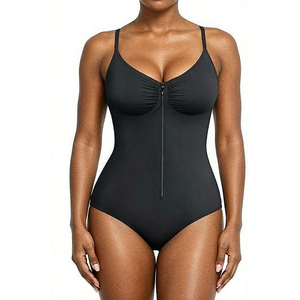
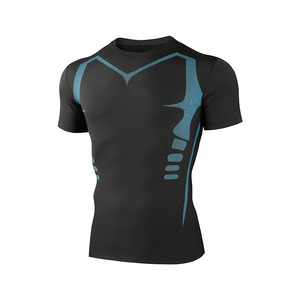
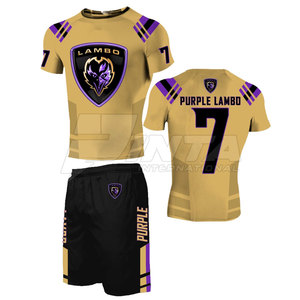
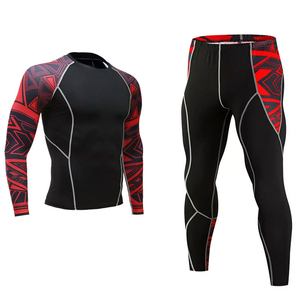
The Technical Physics & Biomechanics of Modern Compression Garments
Compression wear has evolved from simple elastic bandages into highly engineered biomedical textiles. At its core, calibrated compression relies on Laplace’s Law of Pressure Physics ($P = 2T / R$), where sub-bandage pressure ($P$) is directly proportional to fabric tension ($T$) and inversely proportional to the radius ($R$) of the anatomical curve. For B2B buyers, sourcing medical-grade compression garments requires an acute understanding of yarn elastodynamics, pressure gradient decay profiles, and circular versus flat-knitting technology.
Expert Insight (E-E-A-T Principle): True therapeutic compression requires graduated pressure profiles—where pressure is 100% at the distal extremity (e.g., ankle or wrist) and systematically decreases to 70% at the calf/forearm and 40% at the proximal thigh/upper arm. Uniform compression without graduation risks creating a tourniquet effect, restricting deep venous return.
Compression Classification Matrix (mmHg Pressure Standards)
International clinical standards organize compression apparel into distinct pressure bands measured in millimeters of mercury (mmHg). Sourcing teams must ensure their supplier utilizes calibrated testing instruments such as the Salzmann MK IV or MST MK V to verify compliance.
| Compression Class |
Pressure Range |
Primary Clinical / Commercial Application |
Recommended Fabric Construction |
| Class I (Mild) |
15 – 21 mmHg |
Athletic performance, long-flight DVT prophylaxis, mild leg fatigue. |
Circular knit, single-covered Spandex + Nylon microfibers. |
| Class II (Moderate) |
23 – 32 mmHg |
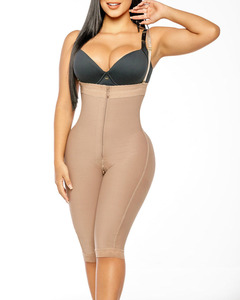
Post-surgical edema, varicose veins, Stage 1 Post-Liposuction Fajas. |
Double-covered elastomeric yarn, reinforced flatlock seams. |
| Class III (Strong) |
34 – 46 mmHg |
Severe lymphedema, chronic venous insufficiency (CVI), venous ulcers. |
Flat-knit high-stiffness yarn with low stretch margin. |
| Class IV (Very Strong) |
> 49 mmHg |
Severe irreversible lymphedema, specialized burn scar therapy. |
Custom-tailored flat-knit medical textiles with micro-adjusters. |
Textile Material Science: Fiber Composition & Engineering
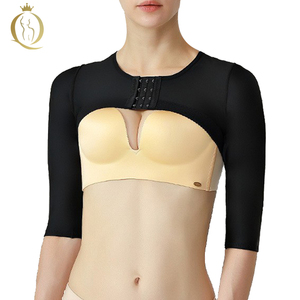
The performance of medical shapewear and athletic base layers depends heavily on the core elastomeric polymer blend. Leading OEM/ODM manufacturers utilize a combination of:
- Spandex / Elastane (Lycra®): Provides high elongation (up to 500%) and instant elastic recovery. High-density 280-320 GSM knits are standard for post-surgical fajas.
- Polyamide (Nylon 6,6): Offers superior tensile strength, soft hand-feel, and extreme abrasion resistance required for daily post-op wear.
- Silver-Ion Antibacterial Infusion: Essential for post-surgical open-wound recovery, inhibiting 99.9% of bacterial growth (Staphylococcus aureus) on the garment surface.
- 3D Body Mapping Micro-Mesh: Placed strategic ventilation zones under arms, crotch, and behind knees to prevent thermal moisture buildup.
Evaluation Criteria for Top 10 Compression Garment Manufacturers
When procurement managers evaluate OEM/ODM partners for medical shapewear, athletic compression, and orthopedic rehabilitation garments, the following core capabilities separate world-class manufacturers from low-cost converters:
1. ISO 13485 & CE Certification
Strict compliance with medical device quality management systems, cleanroom assembly standards, and FDA registration for Class I/II garments.
2. Calibrated Pressure Testing
In-house Salzmann and MST MK V testing rigs to verify exact pressure decay curves across all gradient compression sizes.
3. Seamless & Flatlock Technology
Advanced Santoni seamless circular knitting machinery and 6-needle 4-thread flatlock seaming to eliminate skin irritation.
4. OEM/ODM Customization Flexibility
Rapid prototyping (3-5 days), custom silicone dot grippers, customized waistlines, private labeling, and flexible MOQs.
Overview of Top Global Compression Garment Manufacturers
The global market for medical and athletic compression garments is divided into specialized regional manufacturing hubs:
- Singar Rehab / Lynncare Medical (India - Pune): Recognized for specialized medical prosthetics, post-surgical shapewear, caliper orthoses, and high-durability athletic compression garments. Established in 2005, serving 20+ countries with robust OEM/ODM capability.
- Bauerfeind AG (Germany): World leader in premium orthopedic braces and high-grade flat-knit medical compression stockings.
- Medi GmbH & Co. KG (Germany): Pioneers in clinical venous compression and lymphedema compression wear.
- BSN Medical / Essity (USA/Sweden): Major supplier of post-operative burn scar compression garments and Jobst stocking lines.
- Sigvaris Group (Switzerland): Global standard for graduated medical compression therapy and flight socks.
- 2XU Manufacturing Division (Australia/Asia): Specialized high-stiffness athletic recovery compression base layers.
- Squeem & Ann Chery Manufacturing Hubs (Colombia/Brazil): Leaders in high-tension latex and powernet post-surgical fajas.
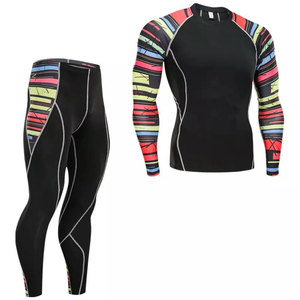
- 2XU / CW-X Athletic Knitting Hubs (Taiwan): Advanced engineered circular-knit multi-panel sports compression.
- Guangdong Apparel Manufacturing Cluster (China): High-volume, fast-turnaround seamless bodysuits and shapewear production.
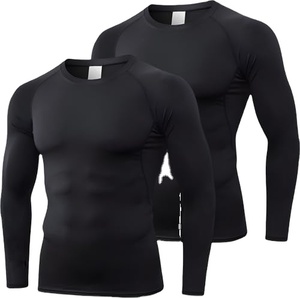
- Zhejiang Medical Textile Hub (China): Bulk exporter of economical athletic base layers and elastic supports.
Future Sourcing & Procurement Trends in Compression Wear (2025–2030)
As the global market for shapewear and medical compression scales toward a projected $7.2 Billion valuation by 2030, procurement teams must align with key technological and structural shifts:
1. Integration of Smart Active Compression Systems
Next-generation medical garments are transitioning from passive elastomeric tension to active pneumatic and memory-alloy systems. Micro-sensors woven directly into the fabric can now monitor sub-garment pressure in real time, alerting clinical teams if compression levels fall below therapeutic thresholds due to fabric fatigue.
2. Bio-Based Elastomers & Circular Sustainability
Environmental regulations in the EU and North America are forcing brands to phase out traditional petroleum-derived Spandex. Top manufacturers are pioneering bio-based Elastane derived from industrial corn starch and recycled Polyamide (Econyl®) harvested from ocean plastics—maintaining equal modulus tension without environmental degradation.
3. 3D Body Scanning & On-Demand Automated Digital Patterning
Custom post-surgical fajas for post-bariatric patients historically required lengthy manual measuring and hand-tailoring. Leading OEM plants now accept mobile 3D infrared body scans, generating automated CAD pattern files fed directly to automated laser-cutting machines within hours.
Enterprise Advantages: Why Global Brands Partner With Us
Rooted in over 20 years of clinical prosthetics, orthotics, and specialized medical garment manufacturing since 2005 in Pune, India, Singar Rehab (Lynncare Medical) offers an unmatched combination of clinical engineering precision and competitive OEM manufacturing scale.
20+ Years Clinical Heritage
Established in 2005, bringing deep biomechanical knowledge from prosthetic and orthotic manufacturing into compression garment architecture.
ISO & Quality Assured
Certified production workflows adhering to strict quality control, verified by TrustSEAL and international medical export audits.
Global Logistics Network
Direct supply chain presence exporting premium compression wear, wheelchairs, and rehab equipment across 20+ countries worldwide.
Comprehensive OEM/ODM Service
End-to-end service from custom gradient calibration and pattern grading to private label packaging and swift delivery.
Ready to Source High-Performance Compression Garments?
Partner with a certified OEM/ODM manufacturer backed by 20+ years of rehabilitation and textile engineering expertise. Get custom quotes, free material swatches, and technical consultation today.