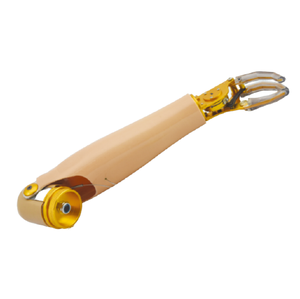
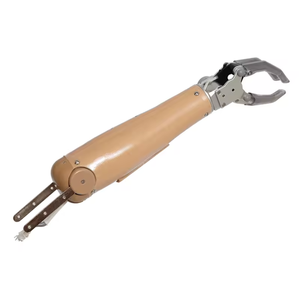
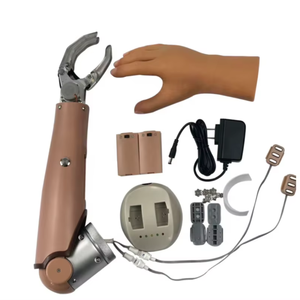
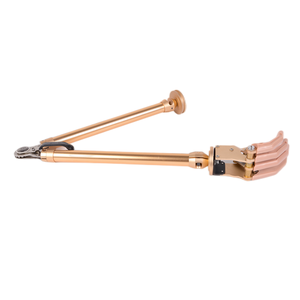
Explore high-precision prosthetic limbs, robotic hands, and biomechanical hardware engineered for global clinical distribution.
The global demand for medical commode chairs, patient transfer systems, and mobility rehabilitation devices has experienced an unprecedented shift toward high-durability, anti-microbial, and multi-functional engineering. According to healthcare procurement analytics, the global market for homecare and hospital sanitation assist hardware is expanding rapidly, driven by an aging global populace, rising surgical volume, and strict hospital-acquired infection (HAI) containment protocols. B2B purchasers—ranging from hospital procurement directors and durable medical equipment (DME) distributors to institutional healthcare networks—are abandoning low-grade tubular steel products in favor of corrosion-resistant SUS304 stainless steel, T6 aircraft-grade aluminum alloys, and high-density blow-molded polypropylene (PPCP) solutions.
Selecting an OEM/ODM manufacturing partner requires a rigorous evaluation of structural integrity, load-bearing static dynamics, splash-proof engineering, and ergonomic drop-arm mechanics. A superior commode chair factory must not only deliver structural compliance under ISO 13485 and CE Medical Device Regulation (MDR) standards but also maintain flexible production workflows capable of supporting custom dimensions, bariatric load capacities up to 350kg (770 lbs), and integrated toilet transfer modules. This technical whitepaper analyzes the top 10 commode chair and rehabilitation equipment manufacturing facilities globally, providing actionable intelligence for international procurement managers.
A detailed technical review of leading production facilities based on engineering capabilities, material compliance, ISO certifications, and OEM/ODM capacity.
Established in 2005, Singar Rehab operates an advanced manufacturing plant specializing in wheelchairs, commode chairs, orthopedic braces, and advanced bionic limb prosthetics. The facility features automated CNC tube bending, TIG/MIG robotic welding, and dynamic fatigue testing rigs for bariatric equipment.
A massive production enterprise housing 12 continuous anodizing lines and high-speed plastic blow-molding equipment. Produces over 150,000 standard folding commode chairs monthly with automated robotic packing systems.
Renowned for hospital-grade rehabilitation furniture, Invacare's primary plants utilize heavy-gauge powder-coated structural steel and quick-release drop-arm assemblies designed for severe patient immobility cases.
Operates advanced engineering facilities focused on 3-in-1 commode architectures (bedside commode, toilet safety frame, and raised toilet seat). Features specialized anti-bacterial toolings and soft-touch molded splash guards.
Specializes in premium tilt-in-space shower and commode wheelchairs constructed from marine-grade stainless steel and composite polymers resistant to chlorine and institutional disinfectants.
Integrated healthcare supply manufacturer featuring automated polymer compound blenders that infuse antimicrobial protection directly into the commode bucket and seat matrix during high-pressure injection molding.
Houses robotic welding cells dedicated to heavy-walled structural steel tubing with high-durability epoxy powder coatings designed to prevent rust under constant moisture exposure.
Pioneers in motorized commode chairs and power-assisted sit-to-stand hygiene lifts. Integrates IPX6 waterproof actuators and sealed lithium battery enclosures for safe wet-room operation.
Focused on human-centered sanitation engineering, Bischoff & Bischoff utilizes flame-retardant, seamless polyurethane (PU) padding over corrosion-resistant anodized aluminum sub-frames.
A specialist facility dedicated to custom physical therapy chairs, pediatric toilet posture supports, and extreme-weight bariatric commode systems with double-cross-brace chassis structures.
Engineers and buyers must match raw material selection with the intended operational environment (hospital ward, wet shower room, or home care setting):
| Material Type | Yield Strength (MPa) | Corrosion Resistance | Weight Profile | Max Load Limit | Primary Clinical Application |
|---|---|---|---|---|---|
| SUS304 Stainless Steel | 205 - 310 | Exceptional (Passivated) | Heavy (8.5 - 14 kg) | Up to 350 kg (770 lbs) | Bariatric Wards & Intensive Shower Facilities |
| 6061-T6 Aluminum Alloy | 276 - 310 | High (Anodized Coating) | Ultra-Light (4.2 - 6.8 kg) | Up to 180 kg (400 lbs) | Portable Folding & Bedside Commodes |
| Powder-Coated Carbon Steel | 250 - 400 | Moderate (Scratches Rust) | Medium-Heavy (7 - 11 kg) | Up to 225 kg (500 lbs) | Standard Institutional Patient Rooms |
| High-Density PPCP Polymer | 30 - 40 | Immune to Chemicals | Extremely Light | N/A (Components) | Blow-Molded Seats, Buckets & Splash Guards |
Key technological advancements transforming medical commode chair and mobility hardware manufacturing globally.
Next-generation commode chairs are incorporating load-cell strain gauges and IoT telemetry inside the seat frame. This allows real-time weight monitoring, fluid excretion measurement, and automatic patient fall-risk alerts transmitted directly to hospital nurse stations.
With strict cross-contamination controls in post-surgical care, factories are adopting persistent copper-ion nano-coatings and silver-zeolite polymer additives. These coatings destroy 99.99% of Methicillin-resistant Staphylococcus aureus (MRSA) and E. coli on commode surfaces within minutes.
Rising international container freight rates have forced manufacturers to re-engineer commodes into 100% toolless snap-button modular assemblies. Flat-packing reduces cubic shipping volume by up to 65%, dramatically lowering land-at-port procurement costs for overseas importers.
Located in Pune, Maharashtra, India, Singar Rehab (Est. 2005) stands as a vertically integrated manufacturer, trader, and international supplier of advanced prosthetics, orthopedic braces, wheelchairs, and commode equipment. Operating under strict ISO quality control protocols, our manufacturing ecosystem combines heavy metallurgical fabrication with precision polymer molding to deliver superior clinical products.
Essential answers regarding commode chair engineering, wholesale procurement, quality certifications, and custom manufacturing.
A standard bedside commode chair is primarily designed for dry room environments and features powder-coated carbon steel frames with removable waste pails. In contrast, a shower commode chair is manufactured using non-corrosive materials like 6061-T6 anodized aluminum or SUS304 stainless steel, equipped with water-resistant sealed caster wheels, rust-proof hardware, and drainage-enabled PU seats suitable for wet environments.
Factories verify load capacity using pneumatic hydraulic test presses following ISO 17966 standards. A static load test applies 1.5 times the maximum rated weight (e.g., 525kg pressure for a 350kg rated chair) for 24 continuous hours to ensure frame welds do not deform. Dynamic drop tests release a standard weight block onto the seat from a designated height to simulate a heavy patient sitting down forcefully.
Standard off-the-shelf catalog models usually carry lower MOQs ranging from 50 to 100 units. However, custom OEM modifications—such as specific frame colors, custom seat widths, specialized branding, or custom tooling for plastic splash guards—typically require a minimum production run of 300 to 500 units to offset setup overhead.
Drop-arm mechanisms feature push-button lever locks that allow the armrests to drop flush with the seat level. This design permits nurses and caregivers to perform safe lateral sliding transfers of immobile or post-operative patients directly from a bed or wheelchair onto the commode chair without lifting.
International medical buyers must require ISO 13485 (Medical Devices Quality Management Systems), CE marking compliant with EU MDR 2017/745 for European distribution, FDA 510(k) or Device Registration for the United States, and salt spray test certificates (minimum 96 hours according to ASTM B117) verifying corrosion resistance.
Singar Rehab enforces a three-stage quality control protocol: Incoming Quality Control (IQC) testing raw alloy tubing and electronic components, In-Process Quality Control (IPQC) conducting ultrasonic weld inspections, and Outgoing Quality Control (OQC) testing 100% of finished products for structural balance, braking action, and signal response.
Manufacturing lead time for a standard container order (e.g., 40ft HQ containing ~800 flat-packed commode chairs) is typically 25 to 35 calendar days. Ocean freight transport varies by destination port: 12-18 days to Middle Eastern ports, 20-30 days to European hubs, and 25-35 days to North American coastal ports.
Yes. Professional factories utilize telescopic leg extensions secured with brass push-pins or threaded collar locks, allowing seat height adjustments in 1-inch increments (typically 16 to 22 inches from ground). Frame widths can also be adjusted during OEM fabrication to accommodate pediatric (14-inch seat) or bariatric (24 to 28-inch seat) applications.
Institutional maintenance guidelines recommend weekly inspection of rubber foot tips for wear, checking fastener torque on cross-bracing bolts, wiping down metal surfaces with non-bleach quaternary ammonium disinfectants, and lubricating caster swivel bearings quarterly with marine grease.
Procurement teams can click the "Get Catalog" button anywhere on this page to open our direct communication portal. Specify your required item SKUs, target volume, material requirements (e.g., aluminum vs stainless steel), and destination country to receive a comprehensive FOB/CIF quotation within 24 hours.
