
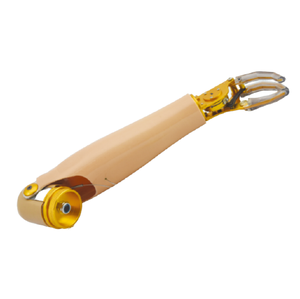
Explore our high-performance prosthetic components, upper-limb myoelectric systems, and clinical orthotic assemblies engineered for global export.
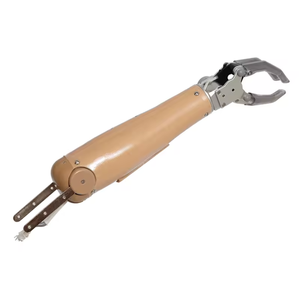
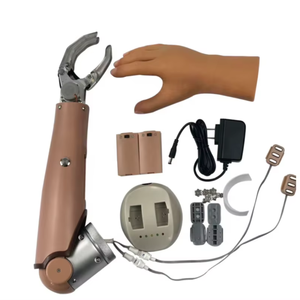
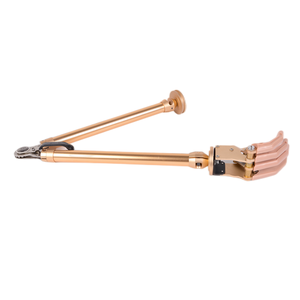
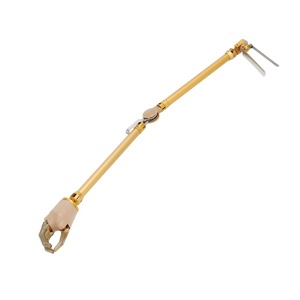
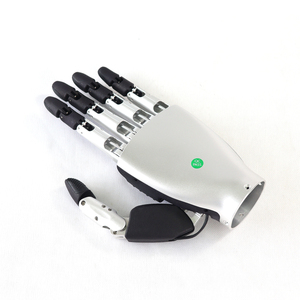
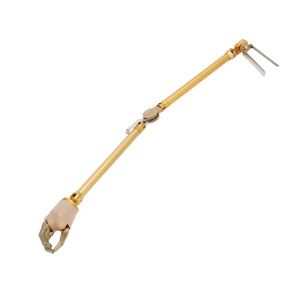
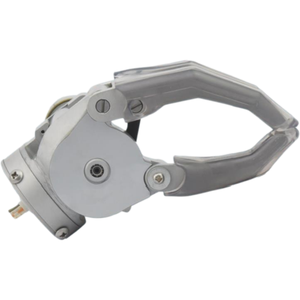
Operating from our modern manufacturing hub in Pune, Maharashtra, India, Singar Rehab delivers end-to-end original equipment manufacturing (OEM) and custom design (ODM) capabilities. We adhere to stringent quality control frameworks for medical-grade orthotics and prosthetics.
Our technical facility specializes in foot biomechanics, subtalar joint alignment, and kinetic chain stabilization. We utilize high-grade thermoplastics, polypropylene shell matrices, multi-density EVA, and dynamic carbon composites for optimal patient comfort and correction.
With established logistics networks spanning 20+ countries, Singar Rehab supplies orthopedic hospitals, clinical centers, government rehabilitation programs, and medical equipment importers with fast turnaround times and competitive factory-direct pricing.
In modern orthopedic rehabilitation and podiatric care, the Foot Orthosis (FO) serves as a fundamental biomechanical intervention designed to alter the angle, distribution, and magnitude of ground reaction forces (GRF) acting on the lower extremity. As a premier global OEM/ODM Foot Orthosis Manufacturer & Exporter based in Pune, India, Singar Rehab provides healthcare institutions, orthotic lab networks, and international distributors with high-precision manufacturing solutions spanning accommodative, functional, and therapeutic foot orthotic systems.
Foot orthoses are clinically categorized based on their intended biomechanical function, structural stiffness, and material composition. Understanding these parameters is essential for clinical buyers and procurement managers responsible for specifying customized or pre-fabricated orthotic product lines:
Functional Foot Orthoses (FFO): Engineered primarily to control motion in the subtalar joint (STJ) and midtarsal joint complexes. FFOs utilize rigid to semi-rigid structural shells—typically fabricated from high-molecular-weight polypropylene (PP), carbon-fiber infused polymers, or thermal-moldable co-polymers. By controlling excessive pronation or supination during the stance phase of gait, FFOs alleviate mechanical stress on the plantar fascia, posterior tibial tendon, and patellofemoral joint.
Accommodative Foot Orthoses (AFO): Designed to redistribute plantar pressure, cushion high-impact zones, and protect compromised soft tissue structures without aggressively altering skeletal alignment. Accommodative orthoses are heavily indicated in diabetic foot management, rheumatoid arthritis, and severe fat pad atrophy. These devices feature multi-density ethyl-vinyl acetate (EVA) matrices, closed-cell polyethylene foams (Plastazote®), and shock-absorbing polyurethane top covers.
| Orthotic Category | Core Substrate Material | Shore Hardness / Density | Primary Clinical Indication | OEM Customization Options |
|---|---|---|---|---|
| Functional Rigid Orthosis | Homo-Polypropylene / Carbon Composite | 75D - 85D Shore | Severe Subtalar Hyperpronation, Flatfoot (Pes Planus) | CAD/CAM Shell Thickness (2mm-5mm), Heel Cup Depth |
| Semi-Rigid Biomechanical | Co-Polymer / High-Density EVA | 55A - 65A Shore | Plantar Fasciitis, Metatarsalgia, Rearfoot Varus | Intrinsic/Extrinsic Heel Wedging, Metatarsal Pads |
| Diabetic Accommodative | Multi-Layer Plastazote® + Cross-linked EVA | 25A - 35A Shore | Diabetic Foot Ulcer Offloading, Neuropathy | Heat-moldable Top Sheet, Custom Relief Cavities |
| Dynamic Pediatric AFO Footplate | Flexible Thermoplastic Polyurethane (TPU) | 85A - 95A Shore | Cerebral Palsy Foot Drop, Idiopathic Toe Walking | Variable Lattice Stiffness, Integrated Heel Post |
At Singar Rehab, our manufacturing infrastructure bridges digital orthopedic engineering with traditional hand-crafted precision. The OEM/ODM manufacturing cycle follows a strict quality-controlled protocol to ensure 100% compliance with client specifications:
Digital Scan Data Ingestion: Our CAD/CAM engineering suite seamlessly accepts open-format 3D surface scan files (.STL, .OBJ, .PLY) derived from optical foot scanners, pressure plate diagnostics, or digitized plaster casts. This allows global clients to transmit patient data digitally for immediate automated manufacturing.
Computer-Aided Design (CAD) & Surface Modification: Specialized orthopedic CAD software is utilized to adjust the virtual foot model. Our biomedical engineers apply digital corrections, including subtalar joint neutralization, medial longitudinal arch height recalibration, calcaneal pitch adjustment, and strategic offloading zones (e.g., heel spur depressions or 1st ray cutouts).
CNC Carving & Additive Manufacturing (3D Printing): Depending on volume requirements, foot orthosis shells are carved via high-speed 3-axis/5-axis CNC milling centers from engineered EVA/polypropylene blocks, or additive-manufactured using Selective Laser Sintering (SLS) dynamic TPU structures. 3D-printed lattice structures enable zoned durometer stiffness, providing selective rigid support at the arch while maintaining flexible energy return at the forefoot.
Lamination, Vacuum Forming & Finishing: The structural shell is bonded with anti-microbial, moisture-wicking top covers under multi-stage pneumatic press systems. Custom branding, hot-stamped logos, and size markings are applied per ODM client specifications prior to rigorous quality inspection.
The global orthotics and prosthetics (O&P) market is undergoing a structural paradigm shift driven by technological convergence, demographic aging, and localized manufacturing demands. Procurement officers and B2B buyers must align their supply chains with the following emerging industry trends:
1. Shift Toward Additive Manufacturing & Lattice Structures: Traditional thermoforming is increasingly complemented by 3D-printed lattice structures. Additive manufacturing reduces raw material waste by up to 60% while allowing variable mechanical properties within a single monolithic print. B2B buyers are seeking OEM suppliers capable of producing bio-matched variable-density lattice insoles.
2. Smart Orthotics & Wearable Plantar Pressure Sensors: The integration of ultra-thin flexible sensor arrays into accommodative foot orthoses allows continuous monitoring of gait kinematics, step counts, and localized plantar temperature spikes—critical for early intervention in diabetic foot ulceration. OEM partners must prepare for hybrid textile-electronic assembly processes.
3. Sustainable & Bio-Based Thermoplastics: Environmental regulatory pressure across North America and the EU is accelerating the demand for eco-friendly orthotic substrates. Singar Rehab is actively expanding its R&D into bio-based EVAs derived from sugarcane derivatives and recyclable thermoplastic elastomers (TPE) to meet international sustainability benchmarks.
4. Synergistic Kinematic Chain Integration: Modern lower-limb rehabilitation recognizes that foot orthotics cannot be evaluated in isolation. A FO or Ankle Foot Orthosis (AFO) directly impacts knee flexion moments, hip rotation, and spinal alignment. Consequently, healthcare buyers are consolidating procurement by sourcing unified lower-extremity solutions—combining foot orthoses, knee-ankle-foot orthoses (KAFO), and prosthetic limb components from single-source OEM manufacturers like Singar Rehab.
Key information for hospital buyers, medical device importers, and OEM orthotic brand owners.
Request technical specifications, CAD scan integration guides, or customized wholesale quotations from our engineering export team today.