Explore our engineering capabilities across complex upper-limb prosthetics, custom biomechanical orthoses, and rehabilitation assemblies manufactured under strict ISO/CE quality systems for global export.
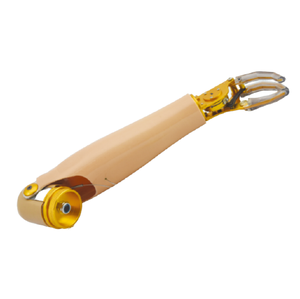
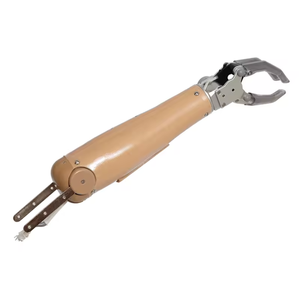
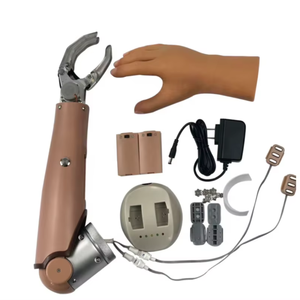
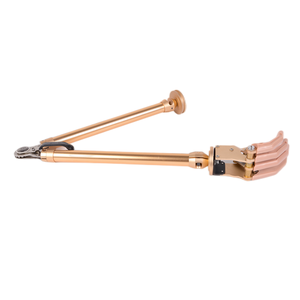
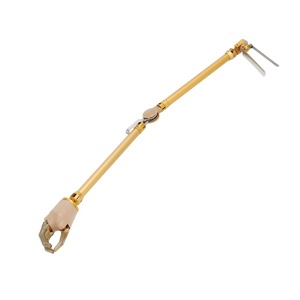
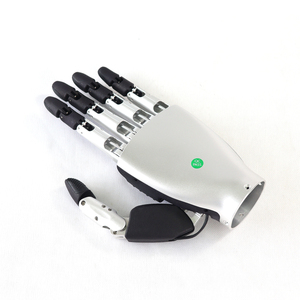
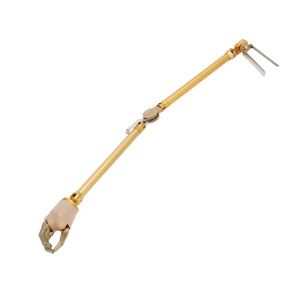
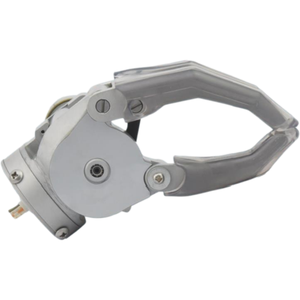
The global orthotic intervention landscape has experienced a paradigm shift toward targeted, micro-dosed anatomical stabilization. Among distal extremity rehabilitation devices, Finger Splints and Phalangeal Immobilizers represent one of the most clinically critical, high-volume procurement segments for orthopedic trauma centers, physical therapy networks, and international medical supply distributors.
As a premier Indian contract manufacturer based in Pune, Maharashtra, Singar Rehab (Est. 2005) operates at the nexus of biomedical material innovation and cost-efficient scalable manufacturing. This comprehensive industry whitepaper outlines the structural mechanics, polymer chemistry, OEM customization protocols, and global procurement trends governing modern phalangeal orthoses.
Phalangeal splinting requires an intricate understanding of distal interphalangeal (DIP), proximal interphalangeal (PIP), and metacarpophalangeal (MCP) joint kinematics. Improper immobilization vectoring can result in permanent joint stiffness, tendon shortening, or persistent joint subluxation. Medical buyers must select OEM partners capable of producing exact anatomical profiles for diverse clinical pathologies:
Requires rigid DIP hyperextension (approx. 5°–10°) while permitting full PIP active range of motion. Our OEM polypropylene stack splints provide precise terminal joint isolation to prevent soft-tissue attenuation.
Demands MCP joint flexion restriction (restricted to 0°–15°) to inhibit A1 pulley friction while permitting functional proximal grasping. Customized thermoplastic rings minimize palmar bulk.
Requires targeted PIP extension splinting with free DIP mobilization to re-establish central slip tension and lateral band positioning. Dynamic spring-loaded wire splints offer customizable tension vectors.
High-performance finger splints require rigorous raw material selection to ensure skin safety, structural resilience, and therapeutic compliance. Singar Rehab integrates advanced polymers and medical-grade alloys engineered for durability and clinical hygiene.
| Material Category | Technical Characteristics | Biocompatibility & Compliance | Primary Clinical Application |
|---|---|---|---|
| Malleable Aluminum-Foam | Annealed 1100 series aluminum core bonded with cross-linked EVA foam (6mm–8mm thickness). High ductility for finger contouring. | ISO 10993-10 (Non-Irritating), Latex-Free, Radiolucent X-Ray compatible. | Frog Splints, Baseball Splints, Finger Cot emergency immobilization. |
| Low-Temperature Thermoplastics (LTT) | Polycaprolactone polymer matrices (activates at 60°C–65°C). 100% memory retaining, self-bonding coating. | Non-toxic, REACH compliant, skin-safe direct molding capabilities. | Custom post-surgical positioning, PIP volar arc control. |
| Injection-Molded Polypropylene (PP) | High-density medical PP with micro-perforations. Tensile yield strength > 32 MPa. High flexural modulus. | FDA 21 CFR 177.1520 compliant, autoclavable, hypo-allergenic. | Stack Splints, Oval-8 style joint stabilization rings. |
| Medical Neoprene & Silicone | Closed-cell perforated neoprene lined with terrycloth; Shore A 40 silicone elastomeric retention bands. | Cytotoxicity tested (ISO 10993-5), breathable anti-microbial finish. | Dynamic extension splints, soft arthritis compression sleeves. |
Singar Rehab delivers end-to-end original equipment manufacturing (OEM) and original design manufacturing (ODM) services tailored to institutional distributors, private labels, and government healthcare tenders. Our facility in Pune utilizes computerized rapid prototyping, high-precision injection tooling, and scalable stamping lines.
Rapid 3D modeling and CNC mold fabrication within 14 business days. Custom sizing arrays engineered to specific regional demographic anthropometrics.
Custom branding, color matching (Pantone exactness), barcode generation, and specialized retail/clinical sterile blister packaging options.
Batch-level tensile testing, moisture vapor transmission (MVTR) audits, and 100% dimensional inspection prior to containerization.
Healthcare buyers navigating international orthotic procurement face evolving regulatory environments, supply chain volatility, and shifting patient expectations. Sourcing directors are prioritizing vendors who demonstrate robust risk mitigation strategies and sustainable manufacturing practices.
Modern clinical workflows favor pre-formed splint solutions that allow physical therapists to adjust extension/flexion angles in real-time without specialized heating equipment or external tools. Malleable aluminum-foam composites and ratcheted dial mechanisms are increasingly replacing heavy plaster setups.
European and North American healthcare systems are enforcing strict sustainability mandates. Sourcing managers are actively migrating from PVC-based orthoses to recyclable polypropylene, bio-based thermoplastics, and eco-friendly EVA foam liners that comply with EU RoHS 3 and REACH SVHC standards.
Global procurement networks are diversifying away from single-source manufacturing hubs. India, specifically the industrial belt around Pune, Maharashtra, has emerged as a premier global hub for medical device manufacturing. Benefiting from advanced metallurgical infrastructure, skilled biomedical engineering labor, and competitive freight corridors, Indian exporters deliver exceptional quality-to-cost ratios.
This technical comparative index enables B2B buyers to evaluate optimal product selection based on anatomical target, joint constraint, and unit economics.
| Splint Design Type | Target Anatomical Joint | Structural Rigidity Index | Adjustability Method | Bulk Unit Economics |
|---|---|---|---|---|
| Polypropylene Stack Splint | DIP Joint | High (Rigid Polycarbonate) | Fixed / Slip-on Sizing (Sizes 1–7) | Very High Volume / Low Cost |
| Aluminum Frog Splint | DIP & PIP Joints | Medium-High (Contourable) | Manual Malleable Bending | High Volume / Economical |
| Finger Cot / Baseball Splint | Full Phalangeal Axis | High (Impact Protection) | Malleable Aluminum Lock | Standard Clinical Stock |
| Oval-8 Biomechanical Splint | DIP / PIP (Swan-Neck / Mallet) | High (Point Loading) | Rotational Angle Adjustment | Mid-Tier Value Stock |
| Dynamic Extension Wire Splint | PIP Joint Flexion Contracture | Dynamic (Spring Loaded) | Calibrated Tension Screw | Specialized Rehabilitation Tier |
Founded in 2005 under the visionary leadership of Satyanarayan Singar (Proprietor), Singar Rehab has built an international reputation as an authoritative manufacturer, exporter, and contract partner for artificial limbs, rehabilitation equipment, dynamic orthoses, and orthopedic support splints.
Operating from No. 76/8, Jagtap Nagar, Pune (GST: 27BCRPS8783G1ZL), our modern manufacturing facility features precision plastic injection molding, automated foam laminating, and metal stamping equipment.
Every product line undergoes meticulous quality checks adhering to ISO-certified procedures. Material traceability protocols ensure zero-defect production for global distribution.
Exporting to over 20 countries across Europe, the Middle East, Southeast Asia, and the Americas. Streamlined customs clearing, bulk containerization, and reliable transit times.
Accelerate your procurement pipeline with direct factory pricing, flexible low MOQs, and dedicated OEM support.
Contact UsPartner with Singar Rehab for certified manufacturing quality, competitive Indian OEM cost structures, and dependable global shipping logistics. Contact our engineering and export team today.
