Explore our precision-engineered prosthetic modules, myoelectric articulators, and biomechanical posture assemblies available for OEM/ODM integration.
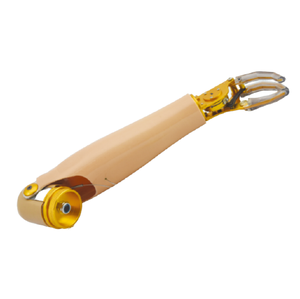
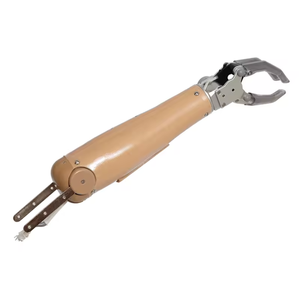
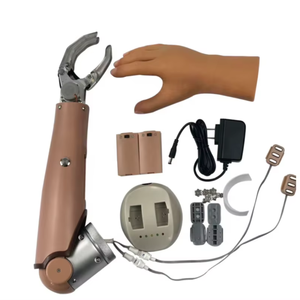
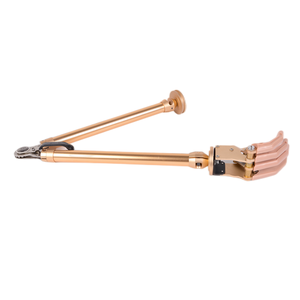
In the rapidly advancing domain of modern physical medicine and clinical rehabilitation, the therapy table is no longer merely a piece of passive furniture. It functions as an active, integrated biomechanical platform designed to facilitate dynamic posture correction, neurological retraining, manual therapy, and advanced prosthetic calibration. As a premier Custom OEM Therapy Table Supplier, Singar Rehab bridges the critical gap between high-precision clinical mechanical engineering and specialized OEM/ODM customization for global healthcare equipment providers, distributors, and medical institutional procurement teams.
Clinical rehabilitation environments—ranging from specialized orthopedic trauma recovery centers to sub-acute neurological re-education clinics—demand therapy tables engineered for exceptional structural stability, fluid electro-hydraulic articulation, ergonomic clinician access, and long-term durability under continuous high-load operations. Standard off-the-shelf treatment couches frequently fall short of the rigorous demands imposed by complex patient transfers, modern robotic therapy integration, and myoelectric limb calibration protocols. Consequently, global buyers are increasingly partnering with verified OEM suppliers capable of executing custom frame geometries, specialized motor actuator configurations, bespoke upholstery density profiles, and advanced digital telemetric controls.
Key Procurement Takeaway: Modern OEM therapy table manufacturing requires a holistic fusion of structural steel integrity, ISO 13485-compliant quality management, ISO-certified antimicrobial contact materials, and modular electronic control architectures to meet global medical device safety directives (IEC 60601-1).
When evaluating custom therapy plinths and biomechanical treatment tables, structural fatigue limits and static/dynamic weight ratings serve as baseline metrics for institutional safety. Singar Rehab utilizes high-tensile cold-rolled structural steel tubing and laser-cut structural gussets across all custom OEM chassis configurations. Frameworks undergo automated robotic MIG welding and electrostatic antibacterial powder coating, yielding superior resistance to chemical disinfectants, moisture, and high-frequency structural flex.
Structural load dynamics are modeled using Finite Element Analysis (FEA) to guarantee a minimum 4:1 safety factor. For specialized bariatric and neurological rehabilitation models, our OEM platforms offer a Safe Working Load (SWL) rating from 250 kg up to 350 kg (550 lbs to 770 lbs). Height adjustment mechanisms are powered by dual electric linear actuators engineered with internal safety over-current clutches, thermal overload protection, and emergency manual lowering release valves.
To maintain competitive positioning in global tenders and international healthcare distribution channels, procurement directors must align product specifications with emerging market dynamics. Our research highlights four transformative vectors reshaping the OEM therapy table landscape over the coming decade:
Therapy tables are expanding into dynamic data collection terminals. Next-generation OEM designs incorporate embedded pressure mapping sensors, patient weight monitoring scales, and real-time articulation encoders that interface directly with Hospital Information Systems (HIS) and EHR platforms via wireless Bluetooth/Wi-Fi or wired RS485 protocols.
Strict REACH, RoHS, and California Proposition 65 mandates are driving global hospital tenders away from phthalate-heavy PVC fabrics. Forward-thinking OEM suppliers are standardizing solvent-free Polyurethane (PU) and Bio-based synthetic leathers that offer high hydrolysis resistance, withstand harsh quat-based hospital disinfectants, and lower environmental footprints.
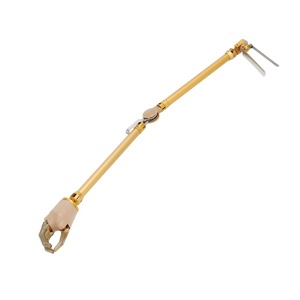
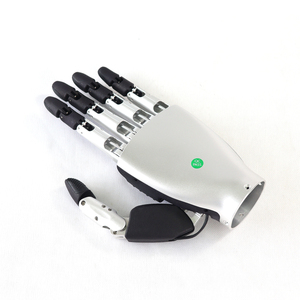
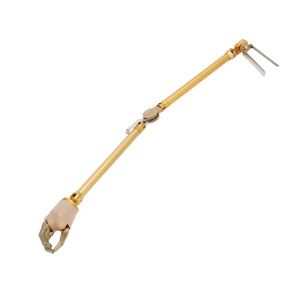
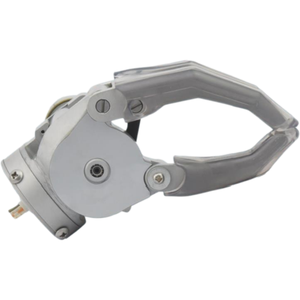
As amputee rehabilitation and neuro-rehabilitation protocols become more intertwined, therapy tables must accommodate specialized fixators, harness anchors, and myoelectric calibration rigs. Modern OEM tables are designed with integrated side T-slot tracks to quickly mount upper limb prosthetic testing arms, suspension bars, and gait training harnesses.
The following comparison matrix details critical engineering metrics across standard commercial therapy couches versus Singar Rehab's customized OEM institutional platforms:
| Specification / Feature | Standard Commercial Couches | Singar Rehab High-Spec OEM Platform | Clinical / Procurement Value |
|---|---|---|---|
| Frame Construction | Mild Steel Tubing (1.5mm - 2.0mm) | High-Tensile Cold Rolled Steel (2.5mm - 3.2mm) | Eliminates frame deflection during manual mobilization; 4:1 safety factor. |
| Safe Working Load (SWL) | 150 kg – 200 kg | 250 kg – 350 kg (Bariatric Rated) | Supports heavy bariatric patient transfers and dynamic mobilization therapy. |
| Actuator Duty Cycle | 10% (Max 2 mins continuous) | 25% Duty Cycle (Industrial Medical Grade) | Prevents motor overheating during continuous high-frequency hospital use. |
| Upholstery Hydrolysis | 1 - 3 Years Standard PVC | 7 - 10 Years Premium Polyurethane (PU) | Resists cracking, chemical degradation, and fluid penetration. |
| Noise Rating | > 55 dB Motor Hum | < 42 dB Ultra-Quiet Operation | Enhances patient comfort in quiet clinical & neurological environments. |
| Custom Branding & OEM | Basic Logo Sticker | Custom Frame Colors, Laser Logo, Custom Pods | Strengthens distributor and institutional brand ownership. |
Established in 2005 in Pune, Maharashtra, India, Singar Rehab has built a global reputation as a pioneer in the manufacturing, custom engineering, and international distribution of artificial limbs, prosthetic components, orthopedic braces, wheelchairs, and specialized hospital rehabilitation equipment. Under the expert leadership of Satyanarayan Singar (Proprietor), our organization operates a state-of-the-art manufacturing infrastructure dedicated to delivering high-reliability clinical equipment tailored to exact OEM specifications.
Our enterprise advantage stems from complete vertically integrated manufacturing processes—encompassing computer-aided design (CAD), precision CNC steel machining, automated robotic welding, custom foam molding, upholstered stitching, and rigorous electro-mechanical safety testing. This comprehensive end-to-end capability allows us to offer global partners competitive OEM pricing, rapid prototyping cycles, and uncompromised batch-to-batch quality control.
Address your procurement and technical evaluation criteria with these detailed answers curated by our senior biomechanical engineering team:
Partner with Singar Rehab for industry-leading engineering precision, competitive Indian manufacturing advantages, and reliable international delivery. Connect directly with our OEM technical sales director today.
