Precision-engineered mobility frameworks, myoelectric arm prostheses, and advanced upper-limb rehabilitation solutions manufactured for institutional distributors and healthcare providers.
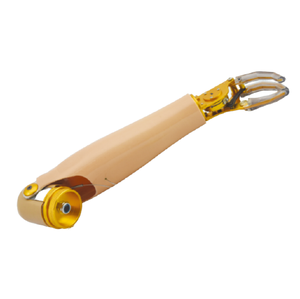
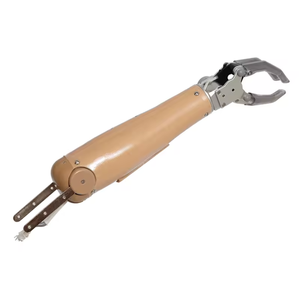
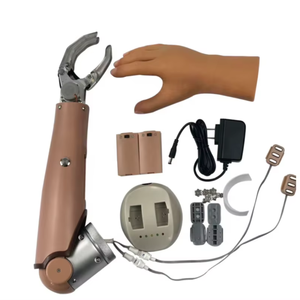
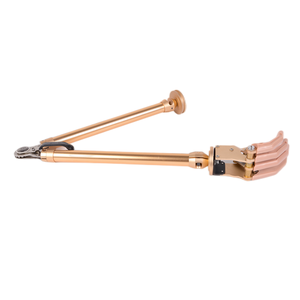
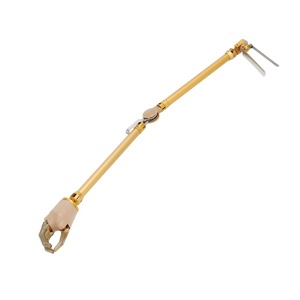
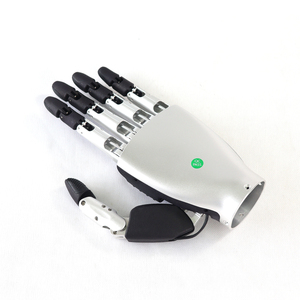
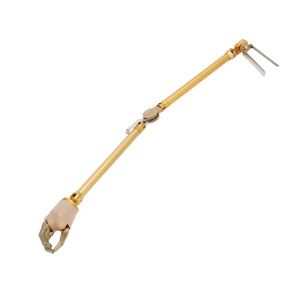
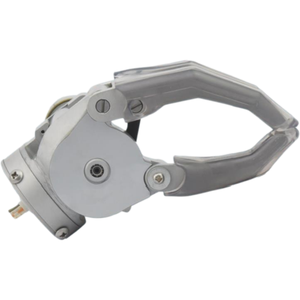
The global powered mobility ecosystem is undergoing a fundamental transformation driven by demographic shifts, clinical demands for enhanced independence, and rapid material science developments. As premier China Wholesale Electric Wheelchair Factories & Exporters, Tier-1 manufacturing hubs in China have evolved from basic mechanical assembly operations into fully integrated bio-mechatronic innovation centers. Institutional buyers, medical equipment importers, and regional healthcare distributors require rigorous evaluation metrics to navigate supplier selection, quality verification, and regulatory compliance.
Modern electric wheelchairs represent a sophisticated confluence of structural metallurgy, power electronics, motor dynamics, and ergonomic interface engineering. A thorough technical audit of manufacturing capabilities must analyze core components: high-precision brushless DC (BLDC) motors, intelligent electromagnetic braking systems, high-density lithium-ion battery management systems (BMS), and aerospace-grade structural frames built from aluminum 6061-T6 or ultra-lightweight carbon fiber composites.
Utilizing hydroformed 6061-T6 aircraft aluminum and robotic TIG welding to achieve tensile strengths exceeding 310 MPa, ensuring structural longevity under continuous 150kg payload testing.
Dual 250W–350W brushless DC motors deliver peak operational efficiency above 85%, reducing thermal dissipation and enabling gradient climbing capability up to 12 degrees.
LiFePO4 and Ternary Lithium chemistry packs protected by smart BMS units featuring overcurrent, thermal runaway, and UN38.3 transport certification compliance.
When sourcing from China electric wheelchair manufacturers, procurement officers must evaluate hardware specifications against intended clinical applications, regional terrain demands, and regulatory requirements (CE MDR 2017/745, FDA 510(k), ISO 7176).
| Performance / Spec Metric | Standard Commercial Grade | Premium Export / Clinical Grade | Advanced Heavy-Duty / All-Terrain |
|---|---|---|---|
| Frame Material & Coating | Carbon Steel (Electroplated) | Seamless Aluminum Alloy 6061-T6 | Toray T700 Carbon Fiber / Titanium |
| Motor Technology | 250W Brushed DC Motor | 250W * 2 Brushless DC (Hub Drive) | 450W * 2 Dual-Drive Gearless BLDC |
| Braking Architecture | Manual Mechanical Brake | Intelligent Electromagnetic (0.2s response) | Dual Regenerative Electromagnetic Brakes |
| Battery Pack & Range | 24V 12Ah Lead-Acid (12-15km) | 24V 20Ah Lithium Ternary (22-28km) | 24V 30Ah LiFePO4 (35-45km Range) |
| Controller System | Generic Chinese Analog Joystick | PG Drives VSI / Curtis Intelligent MCU | Dynamic360 Bus Digital MCU + App IoT |
| Compliance Certification | Basic CE / ISO 9001 | ISO 13485, CE MDR, FDA 510(k), RoHS | EN 12184 Class B/C, UN38.3, MSDS |
As global healthcare distribution networks seek higher margin profiles and lower after-sales warranty claims, procurement trends are shifting rapidly. Understanding these macro shifts allows B2B buyers to align their supply chain orders with market momentum over the next decade.
Modern institutional mobility tenders increasingly mandate built-in IoT hardware modules. Integrated telemetry boards allow distributors and hospital administrators to monitor battery health metrics, operational cycles, GPS tracking, and real-time fault codes via cloud dashboards. Chinese export factories are embedding 4G eSIM controllers directly onto main drive motherboards, drastically reducing field maintenance overhead.
Transit convenience remains a top consumer demand. Traditional folding wheelchairs weighing 35–45kg are being rapidly superseded by carbon-fiber monocoque designs weighing under 14kg (including battery). China's mature carbon-fiber manufacturing ecosystems enable cost-effective high-volume production of continuous-fiber reinforced frames, offering unprecedented strength-to-weight ratios for export markets.
To optimize warehouse SKU management, global importers now favor modular chassis platforms that accept multiple seat widths (16", 18", 20"), interchangeable battery trays, dynamic headrest supports, and universal prosthetic/orthotic mounting hardware. Standardized mounting rails ensure compatibility with auxiliary rehabilitation systems, such as upper-limb myoelectric training devices and post-amputation cosmetic skeletal supports.
The boundary between traditional mobility aids (electric wheelchairs, mobility scooters) and advanced prosthetics/orthotics is dissolving. Advanced Chinese manufacturing facilities are leading the convergence of personal electric transit and biological interface technology.
Integrating dual-channel surface EMG sensors allows individuals with severe upper-limb paralysis to control powered wheelchair motion via subtle muscle contractions, bypassing physical joystick requirements.
Standardizing robotics communication via RS485 and CAN-bus protocols allows seamless pairing between powered wheelchairs and humanoid bionic arms or robotic prosthetic hands for daily task assistance.
Sensory gyroscopes combined with AI microcontrollers instantly calculate center-of-gravity shifts during slope climbing, automatically adjusting wheel torque distribution to prevent tipping.
Selecting a certified manufacturing partner in China requires complete transparency regarding production infrastructure, quality management systems (QMS), and international supply chain logistics. Operating as an established industry supplier since 2005, our factory facilities provide institutional clients with unyielding technical backing and scalable manufacturing capability.
From raw metal extrusion and robotic frame welding to SMT circuit board assembly and injection molding, 90% of structural and electronic components are produced in-house, eliminating middleman markups and guaranteeing raw material traceability.
Every finished electric wheelchair and rehabilitation device undergoes dynamic drum fatigue testing (200,000 continuous cycles), environmental humidity chamber exposure, rain-spray water resistance checks (IPX4 rating), and full load gradient braking validation prior to packing.
We provide full Technical Documentation Files (TDF), CE Declarations of Conformity under MDR 2017/745, FDA 510(k) summary submission packages, and complete UN38.3 / MSDS lithium battery safety dossiers required for smooth customs clearance worldwide.
In-depth answers to vital technical, logistical, and commercial inquiries for global distributors and institutional procurement teams.
For standard production models with customized branding, logo printing, and user manual packaging, our baseline MOQ is 20 units (or a 20-foot LCL container). For full OEM development requiring custom frame geometry, unique color injection molding, or specialized controller firmware configurations, the typical MOQ is 100 units per specification batch.
All our lithium battery packs (both Ternary Lithium and LiFePO4) undergo stringent UN38.3 (altitude simulation, thermal test, vibration, shock, external short circuit, impact, overcharge, forced discharge) testing. We supply valid MSDS (Material Safety Data Sheet), Air Transport Safety Appraisal Certificates, and Maritime Dangerous Goods (IMDG Code) documentation with every shipment, ensuring hassle-free clearance at destination ports.
Yes. Our controller micro-architectures (available in PG Drives, Curtis, and proprietary digital MCU options) are fully tested and certified for Electromagnetic Compatibility (EMC) in accordance with EN 60601-1-2 and FCC Part 15 Class B standards. They will not interfere with or suffer degradation from surrounding medical telemetry, cellular equipment, or airport security scanners.
We offer a standard 2-Year structural frame warranty, 12-month coverage for motors and electronic controllers, and a 12-month pro-rated warranty on lithium battery packs. For institutional distributors placing container-load orders, we supply a complimentary 2% spare parts kit (including joystick caps, anti-tip wheels, wire harnesses, fuse blocks, and braking soles) to ensure immediate local service capability.
Our manufacturing plant operates under an ISO 13485 certified Quality Management System. QC proceeds in four strict stages: Incoming Material Quality Control (IQC) on raw alloy tubing and electronic chips; In-Process Quality Control (IPQC) along automated assembly lines; Finished Goods Quality Control (FQC) involving 100% dynamic road testing; and Outgoing Quality Control (OQC) verifying palletizing, drop-test packaging, and container loading security.
Yes, our R&D engineering department specializes in complex clinical power mobility solutions. We manufacture electric standing wheelchairs with linear actuator systems, power tilt-in-space (0-45 degree recline), power elevating leg rests, and integrated upper-limb prosthetic mount adapters for specialized rehabilitation centers.
Streamline your supply chain, access competitive direct factory pricing, and deliver clinical-grade mobility technology to your regional market. Request complete product catalogs, factory audit reports, and instant wholesale quotes today.
Contact Us