China Medical Manufacturing White Paper

China Top Pediatric Wheelchair & Rehabilitation Manufacturers & Supplier

Engineering clinical-grade pediatric mobility systems, myoelectric upper-limb prosthetics, and adaptive orthotic rehabilitation devices for B2B global procurement standardizations.

Catalog & Inventory

High-Performance Pediatric Mobility & Assistive Equipment

Explore our certified range of pediatric rehabilitation devices, upper-limb prostheses, and custom posture-correcting mobility hardware engineered for international clinical distribution.
Arm Prosthesis Cable Control Style Prosthetic Hand

Cable-Controlled Mechanical Above-Elbow Pediatric/Adult Prosthetic Arm

  • High-durability stainless steel harness
  • Multi-axis mechanical wrist joint
  • Lightweight biomechanical socket
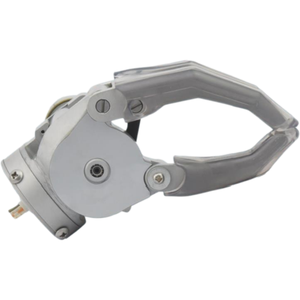
Dual-degree Myoelectric Prosthesis for Elbow

Dual-Degree Freedom Myoelectric Elbow & Arm Rehabilitation System

  • Proportional myoelectric sensors
  • Active powered elbow flexion
  • Custom anatomical lamination
Myoelectric Prosthetic Arm Class I

Class I Dual-Channel Myoelectric Prosthetic Arm for Hand Rehabilitation

  • Quick-response EMG electrodes
  • 1-Year factory warranty coverage
  • High-grip silicone palm coating
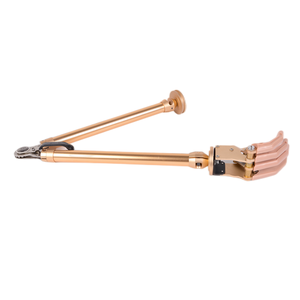
Cosmetic Upper Arm Prosthesis

Mechanical Skeleton Rod Cosmetic Upper Arm Rehabilitation Prosthesis

  • Ultra-lightweight alloy core rod
  • Natural silicone cosmetic glove
  • Biocompatible socket liner
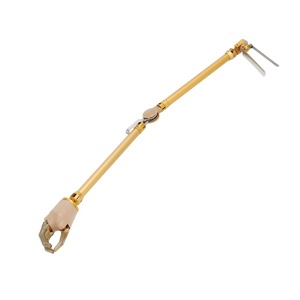
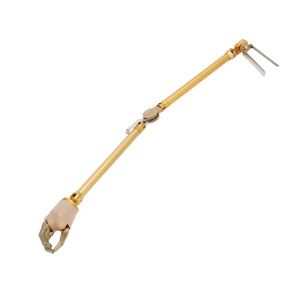
Upper Limb Prosthetic Component with Ball Joint

Precision Gold-Tone Upper Limb Component with Split Hook & Ball Joint

  • CNC machined aircraft aluminum
  • 360-degree rotational ball joint
  • Heavy-duty cable anchor point
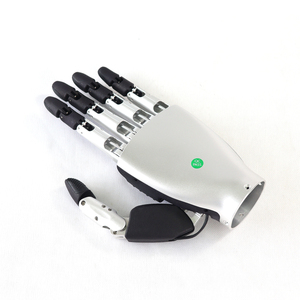
Humanoid Robot Hand Bionic Arm

RS485 Bionic Humanoid Robotic Hand with Open-Source Control Code

  • Programmable bus servo actuators
  • Industrial RS485 communication
  • Individual finger force sensing
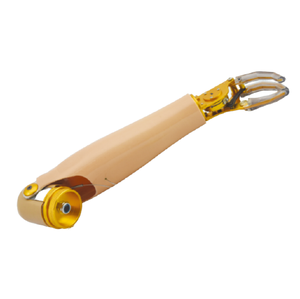
Adult Above Elbow Prosthetic Arm with Hook

Transhumeral Rehabilitation Above-Elbow Prosthetic with Hook Terminal

  • High-strength body harness
  • Quick-release friction wrist
  • Corrosion-resistant terminal hook
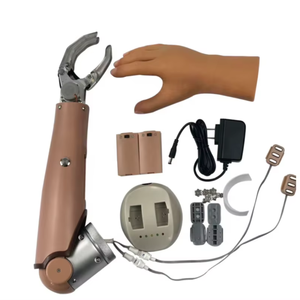
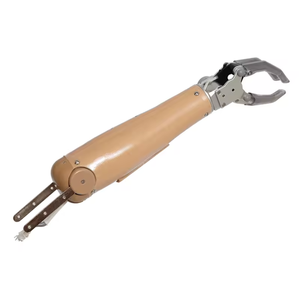
ASSJQ12B-M Myoelectric Arm Prosthesis

ASSJQ12B-M Myoelectric Single-DOF Double-Channel Arm Prosthesis

  • Dual surface EMG electrodes
  • Integrated lithium battery pack
  • Smooth proportional grip speed
ISO 13485
Certified Quality Management System for Medical Devices
98.4%
On-Time Delivery Rate across Global Export Hubs
50+
Countries Supported with OEM/ODM Customization
ISO 7176-19
Wheeled Mobility Devices Crash-Test Compliant

Global Pediatric Mobility Market Trends & Tech Innovations

The global market for pediatric wheelchairs and specialized rehabilitation devices is undergoing a structural paradigm shift driven by advanced biomechanical research, lightweight material science, and adaptive growth-enabling engineering. When procuring pediatric wheelchairs from leading Chinese manufacturers, B2B buyers—ranging from regional healthcare authorities and hospital networks to private medical device importers—are prioritizing products that solve the unique physical and developmental challenges of pediatric users.

Unlike adult mobility aids, pediatric wheelchairs require dynamic ergonomics. Children with conditions such as Cerebral Palsy (CP), Spina Bifida, Muscular Dystrophy, and traumatic limb losses require continuous adjustments as their bodies mature. Recent market intelligence indicates four critical development vectors dominating China's pediatric manufacturing ecosystem:

  • Modular Growth-Adjustable Frames: Modern pediatric wheelchairs are no longer static assets. Leading manufacturers engineer telescoping frame matrices that allow seat width, seat depth, and footrest height to expand progressively over a 3 to 5-year growth cycle without compromising structural integrity.
  • Advanced Material Lightweighting: Shifting away from conventional heavy carbon steel, premier suppliers utilize 7000-series aircraft-grade aluminum alloys, magnesium alloys, and autoclave-cured carbon fiber composite materials. Reduced tare weight allows pediatric users to self-propel with significantly less shoulder strain and energy expenditure.
  • Biomechanical Postural Alignment Systems: High-end pediatric chairs integrate multi-axis adjustable pelvic support, lateral trunk positioners, and dynamic tilt-in-space mechanisms. These features distribute pressure, prevent secondary spinal deformities (such as scoliosis), and optimize swallow/respiratory mechanics.
  • Myoelectric & Smart Motorized Assist Systems: The convergence of micro-actuator robotics and surface electromyography (sEMG) has bridged the gap between complex upper-limb prostheses and pediatric motorized mobility, empowering children with limited upper-body strength to navigate independently.
Industry Information Gain Insight: Sourcing data reveals that pediatric wheelchairs fitted with dynamic "tilt-in-space" functionality (allowing 0° to 45° angular shifting without altering the hip-to-knee angle) reduce tissue breakdown risk by over 62% in non-ambulatory pediatric patients compared to standard fixed-recline models.

Standard Engineering Matrix for Pediatric Wheelchair Procurement

To assist international procurement managers in standardizing RFQ criteria, the table below outlines benchmark engineering specifications for top-tier Chinese pediatric mobility platforms:

Specification Parameter Manual Growth-Adjustable Series Electric Power Assist Series Clinical Postural Tilt-in-Space
Primary Frame Material 7075-T6 Seamless Aluminum Alloy Reinforced Magnesium-Aluminum Alloy Hydroformed Aluminum / Carbon Fiber
Seat Width Options 220mm – 360mm (Telescoping) 280mm – 400mm (Expandable) 240mm – 380mm (Custom Contoured)
Weight Capacity Up to 75 kg (165 lbs) Up to 90 kg (198 lbs) Up to 80 kg (176 lbs)
Tilt Angle Range Fixed / Manual Recline (90°–105°) Electronic Recline (90°–120°) Continuous Dynamic Tilt (0° to 45°)
Safety Standard Compliance ISO 7176-19 Crash Tested EN 12184 / IEC 60601-1-2 ISO 7176-1 to ISO 7176-8
Transportability Quick-Release Rear Wheels & Fold Frame Foldable Battery Tray & Fold Backrest Modular Demountable Seating Unit

B2B Sourcing Guide: Auditing Chinese Pediatric Wheelchair Manufacturers

Selecting a high-reliability Chinese manufacturing partner requires looking beyond unit pricing. Pediatric mobility equipment is classified as Class I or Class II medical hardware across global regulatory frameworks. B2B buyers must enforce rigorous supplier verification procedures before issuing letters of credit (LC) or contract agreements.

Key Quality & Compliance Verification Protocols:

  1. ISO 13485 & Regulatory Registrations: Verify that the production facility maintains an audited ISO 13485 Medical Devices Quality Management System. For US export, confirm FDA 510(k) or Registration status; for European distribution, check CE marking compliance under the EU Medical Device Regulation (MDR 2017/745).
  2. ISO 7176-19 Crash Test Certification: If wheelchairs are intended to serve as seating inside motor vehicles during school or clinical transport, the frame, lock pins, and tie-down anchor points must strictly pass ISO 7176-19 dynamic crash tests (48 km/h frontal impact test using pediatric anthropomorphic test dummies).
  3. Biocompatibility & Non-Toxic Upholstery Testing: Children are particularly vulnerable to skin sensitizations. Require testing documentation ensuring flame-retardant upholstery fabrics pass ISO 10993-5 (Cytotoxicity) and ISO 10993-10 (Irritation and Skin Sensitization) standards.
  4. OEM/ODM Mold Fabrication Capabilities: Top manufacturers operate internal tooling departments capable of custom CAD/CAM modification for bespoke footplates, dynamic headrests, and myoelectric interface mountings.

Enterprise Engineering & Manufacturing Advantages

Leveraging deep industrial expertise in upper/lower limb rehabilitation apparatus, specialized orthopedic splints, and pediatric mobility systems, our integrated manufacturing infrastructure delivers unparalleled value to international healthcare buyers:

Precision CNC Manufacturing

Multi-axis automated CNC machine centers producing tight-tolerance aluminum joints, quick-release axle sleeves, and heavy-duty mechanical prosthetic lock mechanisms.

Strict ISO QA/QC Protocols

100% dynamic load testing, frame fatigue cycle testing (over 200,000 drop cycles), and electronic sensor calibration prior to final packaging and export container loading.

Comprehensive OEM/ODM Logistics

Complete custom branding, localized manual printing, customized color anodization, and consolidated freight shipping to major ports globally.

Pediatric Wheelchair Sourcing & B2B Procurement FAQ

Below are authoritative answers to common inquiries raised by institutional buyers, distributors, and healthcare procurement specialists concerning China pediatric wheelchair sourcing.

What is the typical Minimum Order Quantity (MOQ) for custom pediatric wheelchairs?
Standard catalog models generally feature a flexible MOQ starting at 10 to 20 units. For fully customized OEM orders involving specific frame dimensions, custom upholstery branding, or special powder-coating colors, the typical baseline MOQ is 50 units per batch.
How do growth-adjustable pediatric wheelchairs function?
Our pediatric frames incorporate modular telescoping aluminum cross-braces, pre-drilled seat depth extension slots, and height-adjustable backrest canes. This allows clinical technicians to widen the seat width from 26cm up to 34cm and extend seat depth by up to 8cm without requiring a completely new frame purchase as the child grows.
Which safety compliance certifications are available for international export?
Our manufacturing partners operate under audited ISO 13485 quality systems. Products meet CE mark criteria under EU MDR standards, and structural testing complies with ISO 7176 series regulations. Specific crash test documentation (ISO 7176-19) and MSDS material safety reports for lithium battery electric models can be provided upon request.
Can pediatric wheelchairs be integrated with myoelectric or upper-limb prosthetic devices?
Yes. We specialize in dynamic rehabilitation engineering. Wheelchair armrests and control pods can be customized with specialized mounting brackets and power-out interfaces to operate in tandem with myoelectric upper-limb prosthetics or bionic robotic hand interfaces.
What is the standard production lead time for bulk container orders?
Standard lead times range from 25 to 35 business days following deposit confirmation and engineering artwork approval. Sample units for clinical evaluation or tender verification can typically be dispatched via express air freight within 10 to 14 days.
How are replacement parts and after-sales maintenance handled for overseas distributors?
We provide a 1-year structural frame warranty and supply a 2% wear-and-tear spare parts kit (including quick-release push pins, caster wheels, bearing sets, and brake pads) with every full container shipment. Technical schematics and video assembly guides are made available to distributor repair technicians.

Request Product Catalogs & Bulk B2B Quotations

Connect directly with our engineering and international export department to receive comprehensive technical specs, clinical trial data, and tiered volume pricing.