
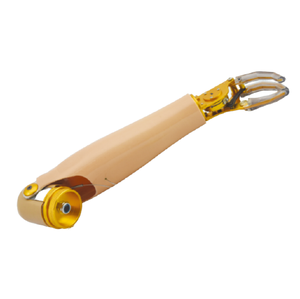
Explore our medical-grade B2B product catalog featuring advanced mechanical linkage knees, myoelectric upper limbs, and precision orthopedic components manufactured for global healthcare providers.
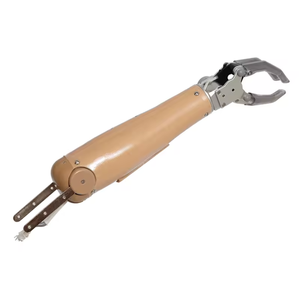
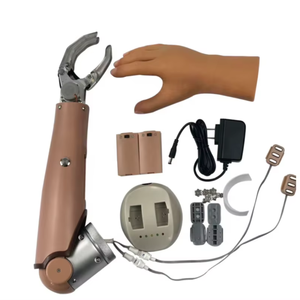
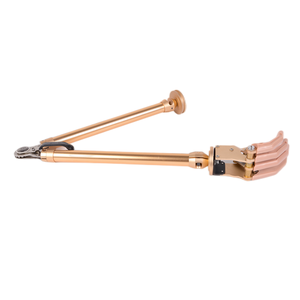
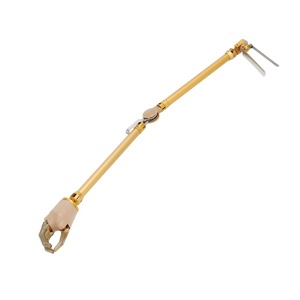
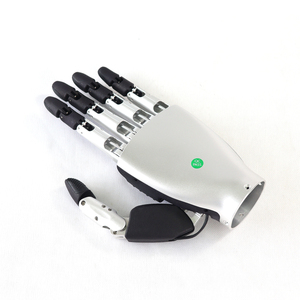
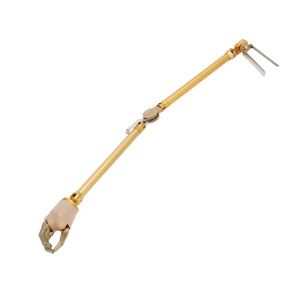
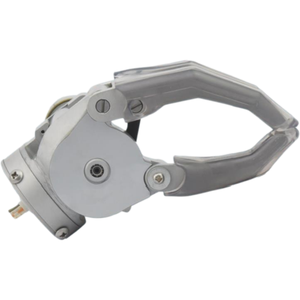
The global orthopedic prosthetics industry is undergoing a structural transformation. Medical buyers, clinical orthotists, and rehabilitation equipment distributors are increasingly turning to China’s top-tier prosthetic knee factories to source robust, clinically compliant, and cost-effective lower limb solutions. As medical device regulatory frameworks evolve—such as the transition to EU MDR (Medical Device Regulation 2017/745) and strict FDA 510(k) clearances—China's OEM/ODM manufacturing capability has advanced from basic mechanical component fabrication to high-precision CNC machining, hydraulic cylinder miniaturization, and microprocessor-controlled knee joint synthesis.
Prosthetic knee joints serve as the central biomechanical link in trans-femoral (above-knee) prostheses. They must simultaneously replicate the dynamic stance stability and smooth swing phase flexion of the human biological knee joint. When evaluating suppliers from China, procurement directors must analyze three core structural categories:
Below is a comparative technical analysis designed to guide B2B buyers in selecting the appropriate knee joint architecture based on user activity levels (K-Levels 1 through 4 according to Medicare guidelines) and mechanical requirements.
| Mechanism Type | Primary Material | Flexion Angle | Target K-Level | Structural Load Rating | Key Clinical Benefit |
|---|---|---|---|---|---|
| Single-Axis Manual Lock | 7075-T6 Aluminum / Stainless Steel | 120° - 135° | K1 - Very Low Mobility | 100 kg - 125 kg | Maximum stance safety; absolute knee lock during stance phase. |
| 4-Bar Polycentric Mechanical | Titanium Alloy Ti-6Al-4V | 145° - 160° | K2 - Moderate Community | 125 kg - 136 kg | Geometric stability; stance phase shortening prevents toe stubbing. |
| Single-Axis Hydraulic Swing & Stance | Aircraft Grade Aluminum & Titanium | 130° - 150° | K3 - High Mobility / Outdoor | 125 kg - 150 kg | Variable cadence adjustment; smooth slope and stair descent yielding. |
| Microprocessor Hydraulic MPK | Carbon Composite & Aerospace Alloys | 130° - 175° | K3 - K4 Dynamic / Active | 136 kg - 150 kg | Real-time stance sensor adjustment; stumble recovery protection. |
Integrated R&D, precision manufacturing technology, and strict international quality assurance standards.
Our factory facilities employ multi-axis pneumatic static and dynamic fatigue test rigs that subject prosthetic knee assemblies to 3 million continuous loading cycles at 1,500 N, ensuring full structural compliance with ISO 10328 standards.
Equipped with German DMG MORI 5-axis CNC machining centers, our factory maintains ultra-tight mechanical tolerances (within ±0.005mm) on critical ball joints, pyramid receivers, and hydraulic cylinder bores.
From custom color anodization and private label branding to custom socket connection geometry (pyramid locks, modular adapters, and vacuum-assisted socket valves), we provide full-scope turn-key production.
We assist global importers with comprehensive Technical Documentation Files (TDF), CE Statements of Conformity, ISO 13485:2016 quality management certification, and RoHS material compliance reports for smooth customs clearance.
Beyond prosthetic knees, our specialized production lines manufacture high-precision myoelectric hands, RS485-controlled robotic bionic arms, and cosmetic prosthetic covers, allowing single-source procurement for complete limb assemblies.
With an annual manufacturing capacity exceeding 50,000 units and standardized safety inventory of high-demand modular components, we guarantee rapid sample dispatch within 48 hours and bulk shipment fulfillment within 15-20 days.
As healthcare reimbursement frameworks modernize globally and amputee mobility demands shift toward higher quality-of-life benchmarks, the procurement paradigm for prosthetic devices is undergoing major technological shifts. Sourcing managers must align their long-term supply chain strategies with four emerging industry trends:
Traditional MPKs relied on simple threshold algorithm triggers. Next-generation Chinese prosthetic knee factories are incorporating multi-axis gyroscope sensor arrays and micro-neural processors that utilize machine learning models. These advanced systems predict amputee stride intentionality—automatically adjusting fluid hydraulic damping for stairs, uneven terrain, and changing gait velocity in real-time. Global distributors seeking competitive market differentiation should prioritize suppliers actively developing open-protocol MPK architectures.
Structural weight directly impacts energy expenditure in trans-femoral amputees. Leading Chinese manufacturers are replacing traditional stainless steel linkages with aerospace-grade 7075-T6 forged aluminum alloy, carbon fiber reinforced polymers (CFRP), and selective laser melted (SLM) 3D-printed titanium adapters. Modern polycentric knee joints now achieve static load ratings exceeding 136 kg while maintaining unit weights under 750 grams.
Historical reliance on proprietary component locking systems created supply chain bottlenecks for orthopedic clinics. The global market is now shifting heavily toward universal 30mm modular pyramid connectors (ISO standard). Top Chinese factories design all upper-knee and lower-knee adapters to maintain 100% mechanical interchangeability with international brand sockets, feet, and alignment devices.
Distributors are increasingly demanding custom white-label packaging, localized user manuals, laser-etched serial numbers, and rapid spare-part fulfillment. Choosing a manufacturer with in-house CNC machining, silicone molding, and electronics assembly guarantees complete quality control over the entire bill of materials (BOM).
Essential compliance, manufacturing, and logistical insights for medical equipment importers and prosthetic distributors.