Explore ISO 13485 compliant, precision-engineered upper extremity prosthetic arms, myoelectric hands, and cable-controlled mechanical assemblies manufactured for global medical procurement.
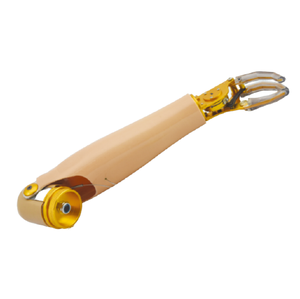
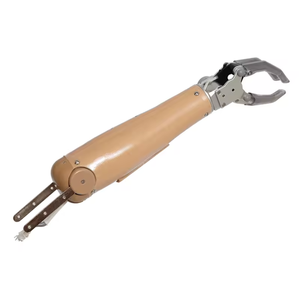
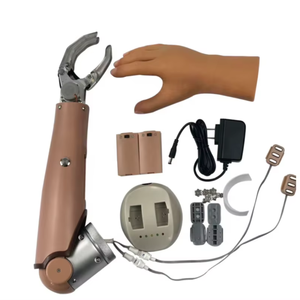
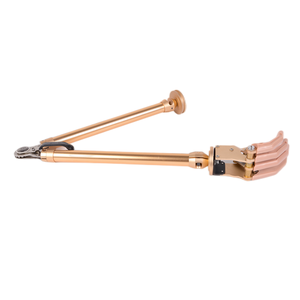
Combining high-capacity manufacturing, titanium and carbon-fiber processing precision, and bio-compatible materials testing under international medical device standards.
Utilizing aerospace-grade 7075 aluminum alloys, high-modulus carbon fiber laminates, titanium ball joints, and medical-grade silicone for lightweight yet structurally resilient prosthetic frameworks.
Micro-level tolerance machining ensures modular prosthetic joints, wrist rotators, split hooks, and elbow hinges operate with zero backlash and smooth mechanical actuation.
Every myoelectric arm and mechanical prosthesis undergoes dynamic load testing, cyclic fatigue validation, surface biocompatibility checks, and IP67 moisture-resistance sealing verification.
An authoritative analysis of technical specifications, myoelectric signal processing, material selection, and OEM/ODM factory sourcing strategies for medical institutions and orthopedic distributors worldwide.
Key Procurement Insight: Sourcing artificial limbs from tier-1 Chinese manufacturers reduces unit component costs by 35%–50% while maintaining strict compliance with FDA Class I/II registrations, CE MDR certification, and ISO 13485 quality systems.
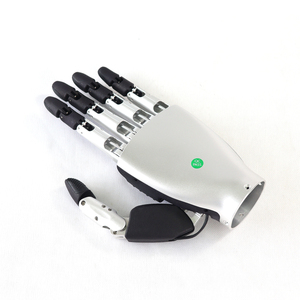
The global prosthetics industry is undergoing a structural paradigm shift driven by advances in bio-mechatronics, material science, and neural interface algorithms. As healthcare systems globally seek cost-effective, high-durability solutions for amputees, Chinese artificial limb manufacturers have transitioned from low-cost assembly workshops into high-tech R&D powerhouses. Today’s premier factories in China produce everything from traditional body-powered cable-controlled upper limb devices to micro-processor-driven myoelectric arms and humanoid bionic hands integrated with RS485 communication protocols.
When selecting a manufacturing partner, institutional buyers—such as rehabilitation centers, orthopedic clinic chains, state defense medical boards, and international medical supply tender committees—must look beyond baseline pricing. Technical evaluation must encompass component modularity, surface biocompatibility, EMG sensor noise cancellation capabilities, weight-to-torque ratios, and socket customization protocols.
To assist procurement managers in matching patient functional levels (K-levels) with appropriate artificial limb hardware, the table below delineates the primary structural and electrical configurations manufactured by leading factories in China:
| Prosthetic Classification | Actuation Mechanism | Primary Material Structure | Target Functional Level | Maintenance Cycle | Compliance Tier |
|---|---|---|---|---|---|
| Cable-Controlled Mechanical Arm | Harness & Steel Cable System | Stainless Steel / Aircraft Aluminum | Heavy Duty / Functional Work | 18 - 24 Months | ISO 13485 / CE |
| Dual-Channel Myoelectric Arm | Surface EMG Electrodes & Servo Motor | Carbon Fiber / High-Impact Resin | Daily Living Activities (ADL) | 12 - 18 Months | Class I Medical |
| Multi-Degree of Freedom (DoF) Bionic Hand | Micro-actuators with RS485 / CANbus | Titanium Core / Silicone Skin | Fine Motor & Precision Grip | 12 Months | Advanced R&D Tier |
| Cosmetic Passive Prosthesis | Static Mechanical Skeleton | PVC Skeleton / High-Grade Silicone | Aesthetic / Psychological Support | 24 - 36 Months | Standard ISO |
Modern artificial limbs demand an intricate balance between structural integrity and ergonomic weight distribution. Excess weight in an upper arm prosthesis leads to shoulder fatigue and residual limb skin breakdown, while insufficient structural strength risks mechanical failure under load.
In myoelectric upper limb prostheses, surface electromyographic (EMG) electrodes pick up microvolt-level electrical impulses generated by muscle contractions in the user's residual limb. Leading Chinese manufacturers incorporate active dual-channel electrodes (such as featured in the ASSJQ12B-M system) with built-in differential amplification and bandpass filtering (typically 20Hz - 500Hz). This design suppresses ambient electromagnetic interference (EMI) and 50/60Hz power line noise, allowing precise proportional control over hand opening, closing, and wrist rotation.
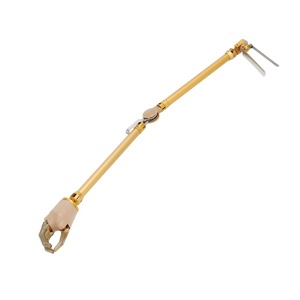
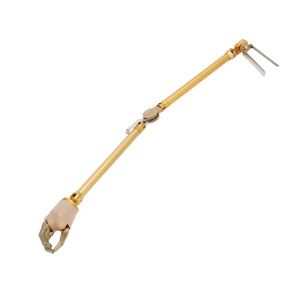
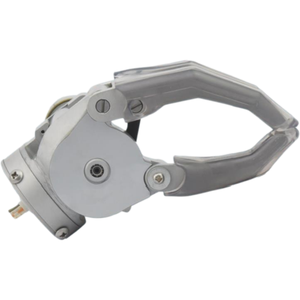
For industrial or agricultural application environments, cable-driven prostheses featuring split hook terminals and universal ball joints (often gold-tone anodized for corrosion resistance) remain the gold standard. The ball joint wrist allows manual friction-held positioning, while heavy-duty stainless steel traction cables transmit shoulder girdle movement directly to the terminal device. Chinese production lines excel at manufacturing high-tolerance split hooks with oil-impregnated bronze bushings to guarantee long-term performance without structural seizure.
As international supply chains shift toward decentralized, high-efficiency sourcing, major trends are defining the future of artificial limb procurement from China:
Prosthetics are expanding into robotics and rehabilitation research. Bionic hand modules equipped with RS485 interfaces and open-source control protocols allow university labs and bio-tech firms to program customized grip patterns and force-feedback algorithms.
Factories are integrating 3D optical residual limb scanning with direct SLS (Selective Laser Sintering) carbon-nylon socket printing, dramatically shortening custom socket turnaround times from weeks to 48 hours.
Distributors increasingly procure universal modular component kits (pylon tubes, elbow locks, quick-disconnect wrists, and myoelectric drive units) to perform local assembly and patient-specific fitting in destination markets.
Furthermore, stringent regulatory compliance remains paramount. Buyers must verify that Chinese manufacturing facilities possess cleanroom assembly zones, complete raw material traceability certificates (MTRs), and full biocompatibility documentation for skin-contacting silicone and resins in accordance with ISO 10993 standards.
Essential answers for medical device importers, hospital procurement officers, and orthopedic distributors sourcing artificial limbs from China.
