Precision-engineered cervical immobilization systems manufactured in compliance with EU MDR 2017/745 Class I requirements and ISO 13485 standards.
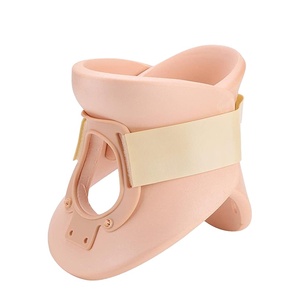
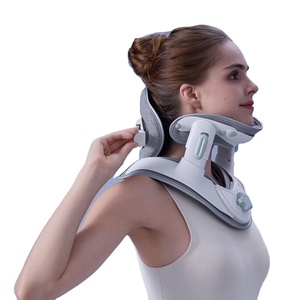
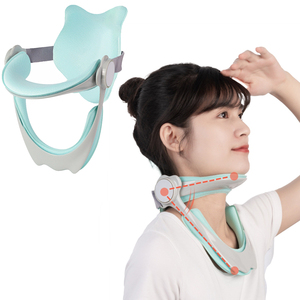
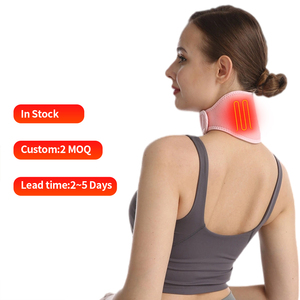
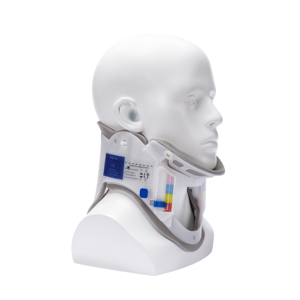
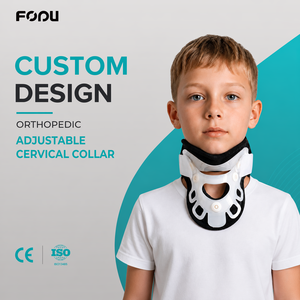
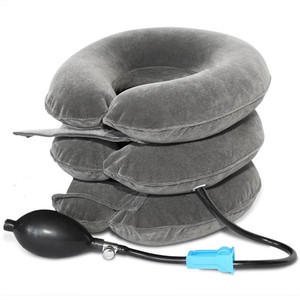
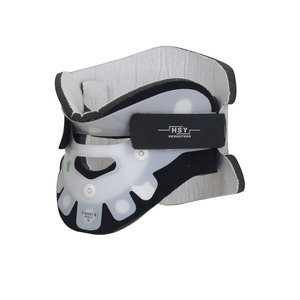
Cervical collar manufacturing occupies a highly critical niche within emergency trauma care and orthopedic rehabilitation. The human cervical spine (C1 through C7 vertebrae) demands strict rotational, lateral, and flexural restraint during suspected spinal trauma or post-operative recovery. A substandard cervical brace risks allowing micro-movements that can exacerbate neurological injury or impede osseous fusion.
When global procurement agencies evaluate a CE Certified Cervical Collar Factory & Exporter, technical specifications extend beyond superficial dimensions. Leading clinical manufacturers like Singar Rehab implement precise biomechanical parameters:
Modern orthopedic braces rely heavily on polymer chemistry to balance rigidity, skin comfort, and diagnostic utility. Below is an expert breakdown of raw materials deployed across our ISO 13485 certified production lines:
| Material Classification | Mechanical Characteristics | Radiolucency & Diagnostic Impact | Primary Clinical Application |
|---|---|---|---|
| Plastazote® Cross-Linked EVA Foam | Hypoallergenic, hydrophobic, non-absorbent, 45–60 kg/m³ density. | 100% Radiolucent; Zero artifacting in MRI/CT scans. | Philadelphia Collars, Burn Management Braces. |
| HDPE Structuring Shell | High flexural modulus, tensile strength >28 MPa, impact resistant. | Fully transparent under X-ray diagnostic frequencies. | Rigid Extrication Collars, Two-Piece Stabilization. |
| Medical Grade Polyurethane Foam | Open-cell cushioning, breathable, soft compression matrix. | Radiolucent. Soft tissue visibility unobstructed. | Soft Cervical Collars, Mild Spondylosis Braces. |
| Thermoplastic Polyurethane (TPU) | Elastic pneumatic air-chamber walls, high tear strength. | Non-metallic. Completely safe for imaging environments. | Ambulatory Pneumatic Traction Collars. |
As a global contract manufacturer and exporter based in key medical production hubs, our facilities bridge the gap between low-cost manufacturing scale and uncompromising Western medical regulatory compliance. Serving healthcare providers across North America, the European Union, the Middle East, and Southeast Asia, our infrastructure is engineered to handle volume tenders with strict batch repeatability.
Our cleanroom production floors house computerized injection molding presses dedicated to processing high-impact polypropylene and rigid HDPE collar frames with zero flash and uniform wall thickness.
Inflatable neck traction bladders undergo high-frequency RF welding to guarantee airtight seams capable of sustaining over 30,000 pneumatic pressure cycles without micro-fissure leakage.
We provide turnkey private label solutions including custom colorways, multi-lingual retail box design, sterile pouch packaging, and serialized GS1 UDI barcode printing for medical distribution compliance.
Procurement teams cannot afford regulatory rejections at customs or post-market safety recalls. Our facility operates under a fully audit-transparent quality control protocol:
The global cervical spine brace market is undergoing a structural transformation. Medical buyers, government health ministries, and commercial distributors must adjust their procurement strategies to align with accelerating clinical and supply chain developments:
Legacy emergency cervical collars required stocking up to 6 discrete fixed sizes (Short, Regular, Tall, Low, Pediatric, etc.). Modern emergency rescue teams demand single-piece, multi-height adjustable collars (such as our 4-position dial-locking models). This evolution reduces inventory SKU holding costs for hospitals by over 60% while eliminating critical sizing errors during pre-hospital rescue ops.
Ambulatory neck care is migrating from passive support to active home therapy. The integration of USB-powered carbon fiber far-infrared (FIR) heat modules with multi-chamber inflatable air traction devices represents the fastest-growing sector in consumer orthopedics. Buyers acquiring stock for e-commerce platforms or retail pharmacy chains are seeing a 40% year-over-year growth demand for dual-action thermal-traction braces.
With stringent European Green Public Procurement (GPP) regulations coming into force, medical device factories are phasing out phthalate-heavy PVC components. Future-proof factories are transitioning toward bio-based TPU, closed-cell recyclable EVA, and solvent-free water-based adhesives to minimize environmental impact while maintaining zero cytotoxicity.
Post-pandemic procurement strategies prioritize factory resilience. Global buyers are moving away from single-source suppliers toward ISO 13485 audited direct manufacturers capable of offering dual-facility redundancy, rapid prototype tooling (under 14 days), and transparent raw material sourcing certificates.
For European Union importation, cervical collars are categorized as Class I Medical Devices under EU MDR 2017/745. The manufacturer must possess a CE Declaration of Conformity, technical documentation, and EC REP coverage. For the United States, the factory must be registered with the US FDA, and the product must be listed under Class I medical device regulations (21 CFR 888.1980) with ISO 13485 quality verification.
Emergency extrication collars are applied at accident sites before diagnostic spinal imaging occurs. If a cervical collar contains metallic rivets, magnetic fasteners, or radio-opaque plastics, it creates severe imaging artifacts on X-ray, CT, or MRI scans. This forces clinicians to remove the collar to obtain clear scans, risking spinal cord damage. Our Philadelphia and Emergency Collars use 100% radiolucent Plastazote and HDPE polymers.
Standard factory MOQs for catalog cervical collars start at 500 to 1,000 units per model. For custom OEM branding (custom color foam, specialized strap logos, private retail packaging), the MOQ is typically 2,000 units. Standard production lead time for a 20ft container (approx. 10,000 pcs) is 25 to 30 business days following artwork confirmation.
Rigid Philadelphia collars provide passive, static immobilization to restrict motion after trauma or surgery. Pneumatic air neck traction collars actively expand vertically upon inflation, exerting upward traction force on the occiput and chin. This gently decompresses intervertebral disc spaces, relieving nerve root compression caused by cervical radiculopathy and herniated discs.
Yes. Children possess larger head-to-body ratios and shorter neck profiles compared to adults. We manufacture specialized pediatric cervical collars with anatomically scaled chin cups, altered lordotic angles, and bright child-friendly material colors to reduce pediatric patient anxiety during orthopedic treatment.
Every batch undergoes rigorous quality testing, including ISO 10993 cytotoxicity compliance verification, Velcro shear strength testing (minimum 1000 closure cycles), foam compression recovery analysis, air chamber inflation leak retention (24-hour pressure test for pneumatic models), and dimensional tolerance verification against CAD master files.
Connect directly with our engineering and international sales division. Whether you require standard wholesale stock, bulk government tender supply, or bespoke OEM production, our team delivers competitive factory-direct pricing within 24 hours.
