Expert articles, patient care guides, and technical innovations in artificial limbs and orthotics.
Explore ArticlesUnderstanding gait correction, foot-drop rehabilitation, and custom AFO orthoses technology.
Read ArticleErgonomic designs and powered mobility solutions empowering patient independence worldwide.
Read ArticleComprehensive guides on amputation level solutions, socket fitting, and bio-mechanical alignment.
Read ArticleClinical approaches to post-operative recovery, diabetic foot care, and orthopaedic footwear.
Read ArticleAdvanced structural stabilization and full-body postural rehabilitation methods.
Read ArticleKnee osteoarthritis can make ordinary moments feel unexpectedly difficult. Standing from a chair may cause stiffness, while stairs can bring sharp, familiar discomfort. An Osteoarthritis Knee Brace may help by supporting the joint, improving alignment, and reducing pressure on painful areas during movement. However, it is not a universal solution. The right choice depends on symptoms, joint stability, activity level, and professional assessment.
A well-fitted brace should feel supportive without creating numbness, excessive pressure, or skin irritation. Healthcare professionals may recommend different designs, including unloader braces, hinged braces, or compression sleeves. Each option serves a different purpose. Clinical guidance matters because knee pain can have several causes, and self-diagnosis is not always reliable. Small details matter, too. A brace that slips during a short walk may become frustrating during a full workday.
Comfort influences consistency.
Real-world use can be less perfect than product descriptions suggest. Some people notice better confidence on stairs, while others experience limited relief. That difference deserves attention, not dismissal. A brace may support exercise, physical therapy, weight management, and other recommended care, but it should not replace medical advice. Skin checks, correct sizing, and gradual wearing time can improve the experience. Readers should also understand when pain, swelling, weakness, or instability requires clinical evaluation. Choosing an Osteoarthritis Knee Brace is therefore a practical decision, not simply a purchase. The most useful option is the one that fits the knee, matches daily needs, and supports safe movement.
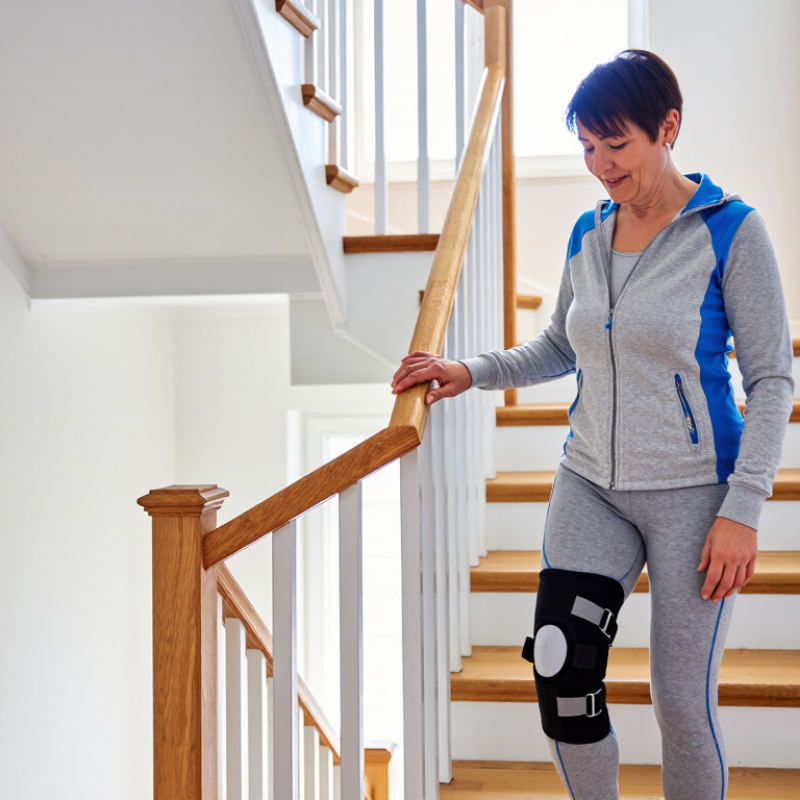
Osteoarthritis gradually changes the knee’s smooth, protective cartilage. As cartilage thins, bones may move with more friction. The joint can feel stiff, swollen, or tender after walking. Climbing stairs may become surprisingly difficult. Some people also notice grinding, reduced motion, or weakness around the thigh. Pain does not always match the X-ray. A mild scan can still hurt, while advanced changes may cause few symptoms.
A knee brace may help by supporting movement and reducing stress on sensitive areas. Unloader braces can shift pressure away from the more affected side of the knee. Supportive sleeves may provide gentle compression and warmth. They may also improve confidence during a short walk. The benefit varies. Fit matters greatly, and an overly tight brace can cause numbness, skin irritation, or swelling below the knee.
In practice, brace choice should reflect symptoms, knee alignment, activity, and skin condition. A healthcare professional can assess these details and check whether the brace fits safely. It should not replace strength exercises, weight management, prescribed treatment, or appropriate rest. I have found that people sometimes expect immediate pain relief, which is not always realistic. A brace may feel awkward at first. Adjusting the straps gradually can help, but persistent pain deserves review.
Stop using it if your toes become cold, pale, or unusually numb.
An osteoarthritis knee brace can change how pressure moves through the joint during everyday activity. Some designs support the kneecap, while unloading braces shift part of the force away from an affected area. The goal is not to repair cartilage. It is to make movement more manageable.
That may matter on stairs, during a short walk, or when standing at the kitchen counter. A well-fitted brace can offer gentle support and improve confidence while the knee bends and straightens. Small details count. If the brace slips, pinches behind the knee, or leaves deep marks, it may need adjustment. A brace should not cause numbness or worsening pain.
Results vary. The best choice depends on which part of the knee is affected, the person’s activity, and how the brace fits. A clinician or physical therapist can help assess these factors and explain safe use. Pairing a brace with suitable exercise may support mobility, though progress can be uneven. Some days feel easier than others. Check the skin after wearing it, especially at first, and ask for advice if irritation persists. A brace is one tool, not a complete treatment plan.
The knee requires different levels of flexion during everyday activities. An osteoarthritis knee brace may help support joint alignment, improve perceived stability, and redistribute pressure away from a painful compartment during movement. The values shown are representative knee-flexion requirements reported in biomechanical studies and are not guaranteed brace outcomes.
Representative activity ranges: walking approximately 60–70°, stair climbing 80–90°, sitting 90–105°, and deep squatting about 120–135°. Individual movement requirements vary.
Why Choose an Osteoarthritis Knee Brace?
Key Benefits of Wearing a Knee Brace
An osteoarthritis knee brace can reduce stress around a painful joint during daily movement. It may support the knee while walking, climbing stairs, or standing in a grocery aisle. Some braces shift pressure away from the most affected area. Others provide gentle compression and warmth. These effects can improve confidence and make movement feel less guarded. However, a brace is not a cure. Its value depends on the knee’s condition, the brace design, and the wearer’s fit.
Many people notice better stability during short walks. Reduced discomfort may also support light exercise, which helps maintain muscle strength. Stronger muscles can protect the knee during ordinary activities. A brace should feel supportive, not painfully tight. Check for numbness, skin marks, or increased swelling. Those signs may suggest poor positioning or an unsuitable size. Clinical guidance matters, especially after an injury or when symptoms change.
Tips: Wear the brace during activities that usually trigger discomfort. Start with 20 to 30 minutes, then assess your knee. Keep the skin clean and dry. Do not sleep in the brace unless a healthcare professional advises it. Adjust the straps while sitting, then walk slowly for a minute. Small details matter. A brace that slips below the kneecap may offer little support. It is also easy to expect too much from one. A physiotherapist or doctor can help match the brace to your movement pattern and osteoarthritis symptoms.
Choosing a knee brace should begin with your symptoms, not appearance. A brace may help reduce discomfort during walking, climbing stairs, or standing for long periods. However, it is not a perfect fix. Pain on the inner or outer knee may require different support than general stiffness. A physiotherapist or orthopedic clinician can assess alignment, strength, swelling, and walking habits before recommending a design. This matters because a brace that feels supportive at home may become uncomfortable during a full workday.
Your lifestyle also shapes the choice. A lightweight sleeve may suit gentle exercise, commuting, or daily errands. A more structured brace may offer added guidance during longer walks or uneven-ground activities. Look for adjustable straps, breathable material, and enough room for natural movement. The brace should feel secure, never numb, pinch, or leave deep marks. Fit can change when swelling changes, so check your skin after wearing it. Some people need several attempts to find a comfortable position. That is normal, and slightly inconvenient.
Tips: Wear the brace first for 20 to 30 minutes. Test it indoors before outdoor use. Keep a simple note of pain, swelling, and movement. Stop if symptoms worsen. Follow professional instructions, and do not use a brace to push through sharp pain. Pairing support with prescribed exercises may be more useful than relying on the brace alone. Your needs can change over time, so reassessment is sensible.
Why Choose an Osteoarthritis Knee Brace?
An osteoarthritis knee brace can support painful movement and improve daily confidence. It may reduce pressure on a worn joint during walking, climbing stairs, or standing. The right brace should feel supportive, not painfully tight. A physiotherapist or orthopedic clinician can assess your knee alignment, strength, and symptoms. This matters because osteoarthritis affects people differently. A brace cannot repair damaged cartilage or replace exercise, medication, or medical care. It is one practical tool.
Safe and effective use begins with a careful fit. Wear it over a thin, dry layer unless your clinician advises otherwise. Check your skin after the first hour. Redness, numbness, swelling, or increased pain means you should remove it and seek advice. Begin with short periods at home. Then increase use gradually during activities that usually cause discomfort. I might expect immediate relief, but some braces require adjustment and patience. That is easy to underestimate.
Tips: Keep the brace clean and dry. Follow the fitting instructions closely. Do not tighten it to stop all movement. Gentle strengthening and low-impact exercise may improve support around the knee. Stop using it if pain worsens or your leg feels cold. Review the fit after weight changes or swelling. Even good guidance cannot predict every response, so discuss persistent symptoms with a qualified healthcare professional.
It gradually wears down protective cartilage. The knee may feel stiff, swollen, or tender after a walk.
Not always. A mild scan can still hurt, while more advanced changes may cause few symptoms.
It may support movement and reduce stress on sensitive areas. Some braces shift pressure away from one side.
A soft sleeve may offer gentle compression and warmth. It can feel reassuring on a short walk.
Consider your symptoms, daily activity, knee alignment, and skin condition. Adjustable straps and breathable material may help.
Wear it indoors for 20 to 30 minutes first. Check your skin afterward. Small steps help.
Numbness, pinching, deep marks, or swelling below the knee may signal a poor fit. Stop using it if your toes become cold or unusually pale.
No. It should not replace prescribed treatment, strength exercises, weight management, or appropriate rest.
Gradual strap adjustments may help, though comfort is not guaranteed. I might expect quick relief, but that expectation can be wrong. Persistent pain deserves professional review.
Osteoarthritis gradually wears down the protective cartilage in the knee, which may lead to pain, stiffness, swelling, and reduced mobility. An Osteoarthritis Knee Brace can help support the joint by improving alignment, reducing pressure on sensitive areas, and providing stability during daily activities. While it cannot reverse cartilage damage, it may make movement more comfortable and help users stay active within their abilities.
The most suitable brace depends on the location and severity of symptoms, as well as personal needs, activity level, and comfort preferences. A well-fitted brace should provide support without restricting circulation or causing irritation. It should be worn according to professional guidance, checked regularly for proper fit, and combined with appropriate exercise, weight management, rest, and other recommended care. Safe and consistent use can help improve confidence and support better knee function.