0%

Choosing the best Below Knee Prosthesis is not about finding the most expensive device. It is about matching technology to a person’s body, goals, environment, and daily habits. A factory worker may need a durable foot for uneven ground. A city commuter may value smooth energy return and lighter weight. Someone recovering from surgery may need adjustable alignment and frequent clinical review. Small details matter, including socket pressure, suspension security, sweat control, and the sound of each step.

The World Health Organization and UNICEF reported in their 2022 Global Report on Assistive Technology that more than 2.5 billion people need at least one assistive product. That figure may reach 3.5 billion by 2050. The report also stresses that access, affordability, trained professionals, and maintenance influence real-world outcomes. These findings matter for prosthetic users. A high-performance component cannot help much if it causes skin damage or remains difficult to repair. The Amputee Coalition reports that more than 2.1 million Americans live with limb loss, showing the scale of long-term rehabilitation needs.

MIT biomechatronics expert Hugh Herr has said, “The human body is not designed to be static; it’s designed to move.” That principle should guide every Below Knee Prosthesis decision. Yet no report can predict one person’s comfort. Clinical experience, gait assessment, residual-limb health, and honest user feedback must work together. The ideal choice may require adjustment. It may not look perfect at first. That is normal, and worth examining carefully.
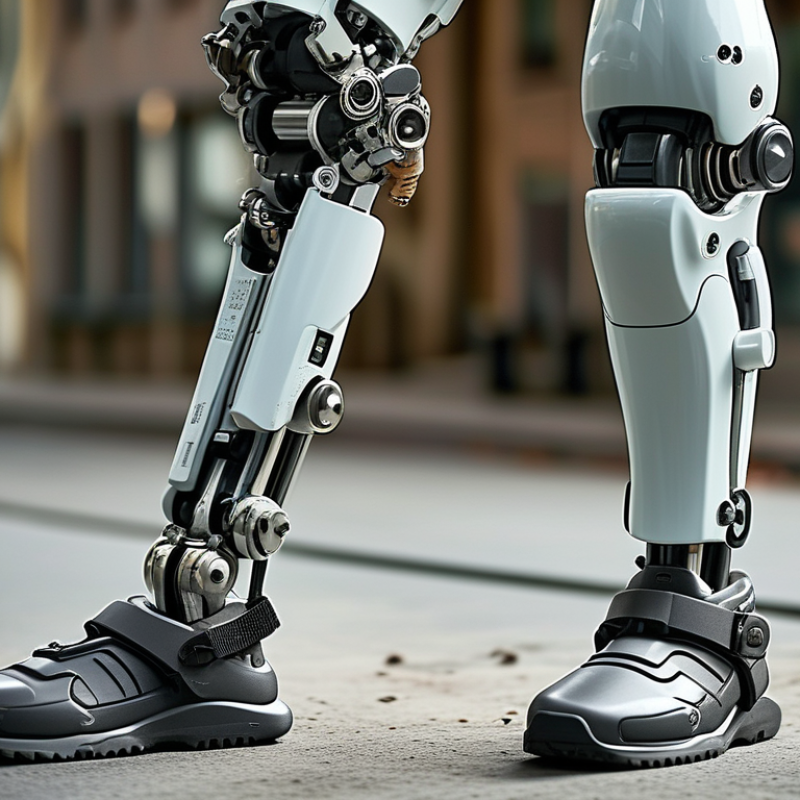
How to Choose the Best Below Knee Prosthesis?

Understanding Below-Knee Prosthesis Types

How to Choose the Best Below-Knee Prosthesis?

Understanding Below-Knee Prosthesis Types

A below-knee prosthesis replaces the missing part below the knee and supports daily movement. The right choice depends on comfort, strength, skin condition, balance, and activity level. A qualified prosthetist should assess your residual limb, walking pattern, and long-term goals before recommending components.

Common prosthetic feet include solid-ankle designs, flexible feet, and dynamic-response feet. Solid-ankle feet offer stability for steady walking. Flexible feet can feel smoother on uneven ground. Dynamic-response feet store and release energy during each step. Some users may benefit from hydraulic or microprocessor-controlled ankles. These systems can adapt to slopes, stairs, and changing speeds, but they may require more maintenance and training.

Suspension also matters. Sleeve suspension feels simple and may suit some active users. Vacuum suspension can improve limb connection, though skin tolerance varies. A well-shaped socket should distribute pressure across comfortable areas, not create sharp pain near the knee. Small details matter.

Your first fitting may feel strange.

Walking ability often improves through gradual therapy, not hardware alone. Check your skin after wearing the prosthesis, especially around the socket edge. Redness lasting more than twenty minutes deserves professional attention. A category may look ideal on paper, yet real walking can disagree. Honest feedback helps the prosthetic team adjust alignment, padding, and suspension safely.

Assessing Your Mobility Needs and Daily Activities

How to Choose the Best Below Knee Prosthesis?

Your daily routine should guide the prosthesis selection. A person who walks short distances indoors has different needs from someone crossing uneven fields. Consider your pace, balance, stairs, work surface, and usual footwear.

Do you stand for hours? Do you carry groceries or care for children? These details affect comfort, alignment, suspension, and foot function.

Be specific with your prosthetist and rehabilitation team. Describe a normal morning, including slippery floors, crowded buses, or a long walk to work.

An assessment may include strength, skin condition, joint movement, gait, and fall history. The socket should feel secure without creating pressure points.

After several hours, check for redness, heat, swelling, or pain. Persistent marks need professional attention.

Try realistic activities during fitting sessions when possible. Walk on ramps, sit in different chairs, and practice stairs.

A component that feels excellent indoors may feel awkward outside. That matters. Your needs can also change after surgery, weight changes, or increased activity.

Reassessment is not a failure; it is part of safe care. Keep notes for a week. Record distance, discomfort, fatigue, and tasks you avoided.

My own preference would be convenience, but convenience should not replace clinical judgment.

A comfortable prosthesis supports movement without demanding constant attention.

Matching Socket Design, Suspension, and Comfort Features

Choosing the best below-knee prosthesis starts with matching the socket to your residual limb, activity, and daily routine.

A trained prosthetist should assess skin condition, limb shape, muscle control, and volume changes. A total-surface-bearing socket can spread pressure across the limb. Other designs may protect sensitive areas with targeted reliefs. Small pressure points matter. A socket that feels comfortable while sitting may cause pain during walking. Try different liners and socket materials before deciding.

Suspension controls how securely the prosthesis follows your body. Pin suspension can feel simple and stable, while suction suspension may provide a closer connection. Vacuum systems can help manage movement and volume changes, but they require careful fitting and maintenance. No method suits everyone. Your clinician should check skin response after movement, stairs, and longer wear.

Comfort features deserve equal attention. A flexible inner socket may reduce sharp edge pressure. A gel liner can cushion bony areas, while ventilation may reduce heat and moisture. The socket edge should support movement without digging into the knee. Walk naturally. Do not ignore redness that lasts beyond a short period.

A common fitting lesson is easy to miss: limb volume changes throughout the day. A morning fit may feel loose by evening. Follow-up adjustments, sock changes, and realistic home trials can reveal this problem. I would reconsider any fitting that depends on constant discomfort or repeated skin irritation. Report numbness, swelling, or persistent pain to a licensed prosthetist promptly.

How to Choose the Best Below-Knee Prosthesis?

Matching Socket Design, Suspension, and Comfort Features

This practical planning index prioritizes secure suspension, accurate socket fit, skin protection, adjustability, and ease of use. The percentages are decision-planning weights rather than clinical trial results; the best combination depends on residual-limb shape, activity level, skin condition, volume changes, and personal goals. A qualified prosthetist should confirm the final design and fit.

Choosing the Right Foot, Ankle, and Alignment System

For a below-knee prosthesis, the foot, ankle, and alignment system deserve careful attention. They influence comfort, balance, walking speed, and energy use. The best choice begins with daily terrain, not a catalog photograph. Consider pavements, stairs, wet floors, workplace demands, and recreational goals. A flexible ankle may help users manage uneven ground. A stiffer design can provide steadier support during repeated standing. Neither option suits everyone.

The World Health Organization and UNICEF reported in 2022 that more than 2.5 billion people need assistive products worldwide. That scale highlights the need for individualized fitting and reliable follow-up. During alignment trials, a prosthetist should observe socket pressure, knee stability, foot rollover, and pelvic movement. Short walking tests can reveal problems that static measurements miss. Patient-reported tools, such as PLUS-M, can track mobility changes over time. Ask for adjustments.

Alignment is not a one-time decision. Changes in shoes, body weight, strength, or activity can alter loading. The 2024 VA/DoD lower-limb amputation guideline supports repeated functional assessment and shared decision-making. In practice, small alignment changes may improve confidence within minutes. Sometimes they expose a deeper socket problem instead. That is useful information, although not always comfortable. A thoughtful fitting records what worked, what failed, and why.

Comparing Fit, Cost, Maintenance, and Clinical Support

Choosing the best below-knee prosthesis means comparing fit, cost, maintenance, and clinical support together. A socket that feels comfortable at 9 a.m. may pinch after six hours of walking. Residual-limb volume can change during the day, so adjustable interfaces and scheduled refitting may matter more than appearance. The 2022 WHO and UNICEF Global Report on Assistive Technology estimates that 2.5 billion people need assistive products worldwide. Access remains uneven, making local clinical support a practical decision, not a luxury.

Cost includes more than the initial device. Ask for separate estimates covering casting, alignment, liners, suspension parts, repairs, reviews, and replacement timing. The Amputee Coalition reports that prosthetic devices may cost roughly $5,000 to $50,000, depending on design and function. Coverage rules differ widely. A cheaper socket can become expensive if it causes skin damage or repeated adjustments. Maintenance is usually simple but disciplined: inspect liners daily, clean components as instructed, and report cracking, odor, pressure marks, or loose suspension early.

Clinical expertise deserves careful checking. The 2024 VA/DoD Clinical Practice Guideline for limb loss emphasizes individualized rehabilitation and coordinated care. Ask how often the prosthetist reviews gait, skin condition, and activity goals. Ask who handles urgent repairs. No choice is perfect. Even published guidance leaves gaps for highly active users, uneven terrain, and changing body weight. Short trial periods can reveal those gaps before a long-term commitment.

FAQS

What is a below-knee prosthesis designed to do?

It replaces the missing lower-leg section and supports standing, walking, stairs, and daily movement.

How should I choose a prosthetic foot?

Consider your walking speed, balance, surfaces, and activity level. Solid feet offer stability. Dynamic feet can return energy.

Can a prosthesis handle uneven ground?

Flexible feet may feel smoother on uneven paths. Practice slowly on ramps, grass, and changing surfaces.

How do I know whether the socket fits correctly?

It should feel secure without sharp pain, numbness, or strong pressure near the knee. Small details matter.

What should I check after wearing the prosthesis?

Inspect your skin, especially near the socket edge. Redness lasting over twenty minutes needs professional attention.

Which suspension method is best?

Sleeve, pin, suction, and vacuum systems suit different users. Skin tolerance, limb shape, activity, and maintenance needs matter.

Why can the prosthesis feel different later in the day?

Residual-limb volume may change. A morning fit can feel loose by evening. Sock changes or adjustments may help.

Should I practice realistic activities during fitting?

Yes. Try stairs, ramps, different chairs, and longer walks. Indoor comfort may not predict outdoor comfort.

Can therapy improve walking with a prosthesis?

Yes. Gradual rehabilitation improves balance, strength, and walking habits. Hardware alone is not enough.

What should I do if discomfort continues?

Record pain, fatigue, distance, swelling, and avoided tasks. Report persistent symptoms to a qualified prosthetist promptly. Perfect comfort may take adjustments.

Conclusion

Choosing the best Below Knee Prosthesis begins with understanding the available options and how each design supports different lifestyles. Consider whether you need a basic everyday solution, a lightweight active-use system, or a more adaptable prosthesis for varied environments. Your mobility level, work demands, exercise habits, and daily routines should guide decisions about socket shape, suspension method, cushioning, and overall comfort. A secure, well-fitting socket is essential for stability, skin protection, and confident movement.

The foot and ankle system should match your walking patterns, terrain, balance, and energy needs, while proper alignment can improve comfort and reduce unnecessary strain. It is also important to compare the total cost, expected maintenance, adjustment requirements, and availability of professional clinical support. A successful choice is not based on one feature alone; it combines function, comfort, durability, affordability, and personalized fitting. Working with a qualified prosthetic care team can help ensure the final Below Knee Prosthesis supports your goals safely and effectively.

Charlotte

Charlotte

Charlotte is a highly skilled marketing professional who combines strategic insight, clear communication, and a deep understanding of the company’s products. With extensive experience in market research, content planning, customer engagement, and digital communications, she transforms complex......