0%

Choosing the right Dynamic Ankle Foot Orthosis begins with the person, not the product. A child with cerebral palsy may need controlled dorsiflexion, while an adult after stroke may need safer toe clearance. Muscle strength, spasticity, gait pattern, skin tolerance, footwear, and daily goals all matter.

The World Health Organization’s Global Report on Assistive Technology (2022) estimates that more than 2.5 billion people need at least one assistive product worldwide. That demand highlights a practical concern: access alone is not enough. The device must fit the user’s body and routine. The International Society for Prosthetics and Orthotics also emphasizes individualized assessment, clinical reasoning, and follow-up throughout orthotic care. Small details matter. A heel that lifts inside the shoe can change knee stability. A rigid shell may improve control but reduce comfort.

Dr. Robert S. Gailey, a recognized prosthetics and rehabilitation researcher, offers a useful principle: “The best device is the one that helps the patient achieve their goals.” It sounds simple. It is not always easy to apply. Prescription habits, limited budgets, and incomplete gait observations can influence decisions. Therefore, this guide examines alignment, stiffness, materials, footwear compatibility, comfort, durability, and measurable walking outcomes. No fitting method is perfect. Reassessment remains essential, especially when growth, strength, pain, or walking demands change. A qualified orthotist or rehabilitation clinician should confirm the final choice.
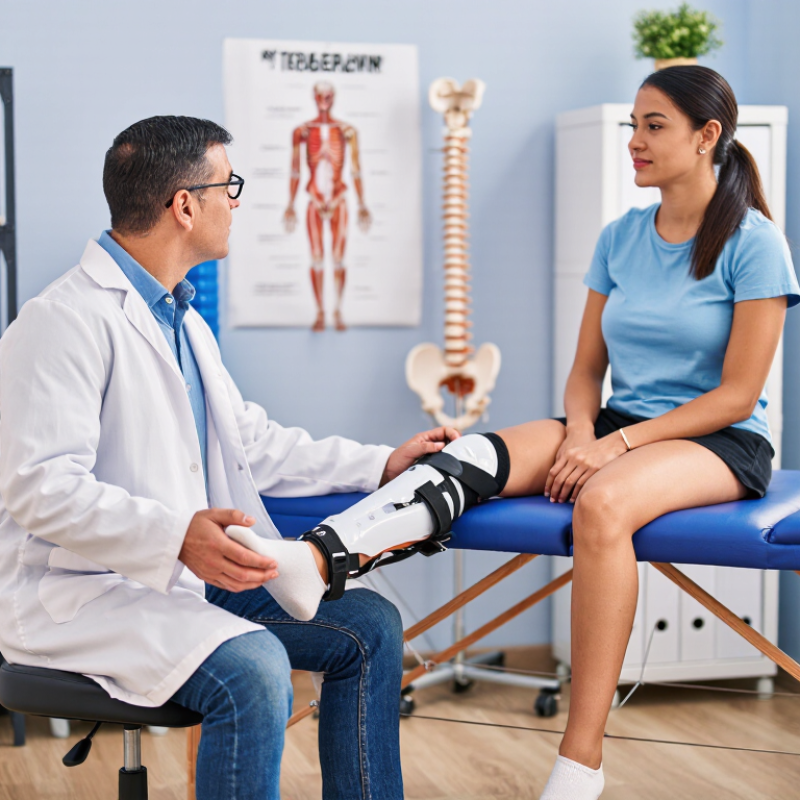
How to Choose the Right Dynamic Ankle Foot Orthosis?

Understanding Dynamic Ankle Foot Orthoses and Their Purpose

How to Choose the Right Dynamic Ankle Foot Orthosis?

Understanding Dynamic Ankle Foot Orthoses and Their Purpose

A dynamic ankle foot orthosis supports movement without making the ankle feel locked. It usually assists dorsiflexion, controls excessive plantarflexion, and helps the foot clear the ground during walking. The purpose is functional support, not simply correction. A person may notice fewer toe catches, steadier steps, or less fatigue on uneven flooring.

The World Health Organization and UNICEF reported in their 2022 Global Report on Assistive Technology that more than 2.5 billion people need assistive products worldwide. This figure shows why individualized fitting matters. A dynamic AFO should match muscle strength, joint range, skin tolerance, walking goals, and footwear. A device that works well indoors may feel unstable outdoors. Small details matter.

Evidence remains useful, but not perfect. A Cochrane review on ankle-foot orthoses after stroke found improvements in walking-related outcomes, while noting limitations in study quality and long-term evidence. That uncertainty deserves honesty. A clinician should observe gait, test the device, and review pressure points after use. Ask whether the orthosis improves movement or merely adds stiffness. Sometimes the first fitting is not the right fitting. Adjustments may be needed. Pain, numbness, redness lasting beyond 20 minutes, or new balance problems require prompt reassessment.

Assessing Mobility Needs, Foot Position, and Support Requirements

Choosing the right dynamic ankle foot orthosis starts with a clear mobility assessment. A clinician should observe walking, turning, stair use, and transfers. Watch the knee closely. A weak knee may need controlled support during stance. A stiff knee may need more freedom during swing. Daily surfaces matter too. Indoor walking tells only part of the story.

Foot position is equally important. Check whether the ankle rests in plantarflexion, inversion, or eversion. A foot that points downward may catch the toe during swing. A foot that rolls outward can reduce balance on uneven ground. The orthosis should guide movement without forcing painful alignment. Small changes in heel height can alter knee pressure. This detail is easy to miss.

Support requirements depend on strength, tone, sensation, and activity goals. Someone walking short distances may need flexible assistance. Someone managing long community walks may require stronger energy return and durability. A qualified orthotist should assess shoe fit, skin condition, and pressure points. Redness lasting beyond twenty minutes deserves review. Comfort is not proof of correct function. A fitting can feel secure while changing the gait in an unhelpful way. Reassessment after real-world use is essential. No device works perfectly for every person. Adjustment is often part of the process.

How to Choose the Right Dynamic Ankle Foot Orthosis? - Assessing Mobility Needs, Foot Position, and Support Requirements

Assessment Dimension Typical Findings Functional Goal Potential Dynamic AFO Characteristics Support Priority Important Assessment Considerations
Mild foot drop The forefoot lowers during swing, but the individual can actively control most of the stance phase. Improve toe clearance and reduce the risk of tripping without unnecessarily restricting ankle movement. Lightweight design with controlled dorsiflexion assistance and sufficient flexibility for natural walking. Moderate Assess walking speed, fatigue, stair negotiation, and whether the device maintains clearance during faster gait.
Moderate dorsiflexor weakness Reduced active dorsiflexion, occasional toe drag, and difficulty maintaining a stable foot position during swing. Provide reliable swing-phase assistance while preserving controlled ankle motion during stance. Dynamic dorsiflexion support with a semi-rigid structure and appropriate resistance to excessive plantarflexion. High Check muscle strength, selective motor control, skin tolerance, footwear compatibility, and comfort during prolonged use.
Marked plantarflexion tendency The ankle moves downward at initial contact or throughout stance, often causing an unstable or forefoot-first landing. Promote a safer heel-to-toe gait pattern and limit excessive plantarflexion. Stronger plantarflexion control, a stable ankle section, and carefully tuned resistance to avoid blocking useful movement. High Evaluate knee position during loading response because excessive plantarflexion resistance may influence knee stability.
Flexible equinus position The ankle can be brought closer to neutral with gentle correction, but the foot tends to return to plantarflexion during standing or walking. Support a more functional foot position and improve weight acceptance. Dynamic plantarflexion control with enough accommodation for the available range of motion. High Confirm that the foot can be positioned safely and that the orthosis does not create painful pressure at the forefoot or heel.
Fixed equinus or limited ankle dorsiflexion The ankle cannot reach a plantigrade position because of contracture, structural limitation, or severe stiffness. Improve alignment and comfort within the available range rather than forcing correction. Accommodative design with an appropriate angle, adequate clearance, and pressure distribution matched to the fixed position. High A dynamic AFO may not be suitable as the sole solution; range of motion, joint integrity, pain, and skin condition require clinical review.
Varus or supinated foot position The foot rolls outward, with increased loading along the lateral border and reduced contact through the medial foot. Improve mediolateral stability and encourage a more balanced plantigrade position. Foot containment, appropriate medial and lateral control, and alignment that avoids concentrated pressure on the lateral border. High Observe the foot both non-weight-bearing and weight-bearing; alignment may change significantly during stance.
Valgus or pronated foot position The ankle and hindfoot roll inward, sometimes accompanied by excessive midfoot collapse or fatigue-related instability. Improve foot alignment, reduce unwanted frontal-plane motion, and support efficient loading. Medial-lateral containment with a supportive foot section and enough flexibility to prevent excessive rigidity. Moderate Assess footwear shape, arch tolerance, edema, pain, and whether the alignment problem originates primarily at the foot, ankle, or knee.
Mediolateral ankle instability The ankle shifts side to side during standing or walking, particularly on uneven surfaces or when fatigued. Increase confidence and stability while preserving safe forward progression. More substantial ankle containment, secure suspension, and a stable foot interface with controlled flexibility. High Test level walking, turning, ramps, and uneven surfaces; a device that feels stable in a clinic may behave differently outdoors.
Good ankle control with a need for energy conservation The person walks independently but develops fatigue or reduced foot clearance during longer distances. Reduce compensatory hip and knee movements while maintaining a natural gait pattern. Lightweight, low-profile assistance with limited restriction of plantarflexion and dorsiflexion. Low to Moderate Compare gait before and after fitting, including endurance, cadence, perceived effort, and comfort over the intended wearing period.
Reduced balance or high fall risk Frequent trips, delayed protective responses, unstable turning, or difficulty managing changes in terrain. Improve foot clearance and stance stability while reducing avoidable gait deviations. Reliable swing assistance, secure suspension, appropriate mediolateral control, and a predictable interface with the shoe. High Consider the complete mobility environment, including transfers, stairs, public spaces, footwear, vision, sensation, and use of walking aids.
Sensory loss or vulnerable skin Reduced protective sensation, history of pressure injury, fragile skin, swelling, or difficulty detecting excessive pressure. Provide support without creating unrecognized friction, compression, or focal loading. Well-padded interface, smooth edges, adjustable accommodation, and careful control of pressure over bony areas. High Inspect skin after initial use and regularly thereafter. Fit, sock selection, donning technique, and gradual wearing time are essential.
Active community ambulation Walking includes variable speeds, curbs, stairs, uneven terrain, and prolonged periods outside the home. Balance support, mobility, and durability across changing environments. Dynamic response appropriate to the user’s speed, secure suspension, low weight, and compatibility with practical everyday footwear. Moderate to High Evaluate real-world tasks rather than relying only on level indoor walking; the orthosis should match the person’s usual activities.
Limited hand strength or reduced dexterity Difficulty opening straps, positioning the foot, or putting on and removing the orthosis independently. Promote consistent use and safe independent management when possible. Simple closure system, clear donning sequence, secure adjustment, and a design that can be used with the intended footwear. Moderate Observe the complete donning and doffing process, not just the final fit; caregiver assistance and training may be required.
Growing child or changing limb size Foot size, alignment, tone, strength, or gait pattern may change during growth or rehabilitation. Maintain appropriate support while allowing periodic reassessment and adjustment. Adjustable or replaceable components where clinically appropriate, with sufficient room for growth and compatible footwear. Moderate Schedule regular reviews because growth, skin condition, muscle tone, and functional goals can change the required support level.

Clinical note: The appropriate dynamic ankle foot orthosis should be selected through an individualized assessment by a qualified healthcare professional. Consider gait pattern, muscle strength, range of motion, tone, sensation, skin integrity, footwear, comfort, and the person’s daily activities before finalizing the design.

Comparing Orthosis Designs, Materials, and Adjustability

How to Choose the Right Dynamic Ankle Foot Orthosis?

Design determines how an orthosis controls motion. A posterior leaf spring design can assist toe clearance during swing. An articulated design permits ankle movement, but limits unwanted inversion or plantarflexion. Ground-reaction designs provide stronger knee extension support. They may feel bulky during stairs. Clinical gait assessment should guide this choice, not appearance alone.

The World Health Organization’s Global Report on Assistive Technology estimates that 2.5 billion people need assistive products worldwide. Fit quality matters at this scale.

Material and Performance

Material changes weight, stiffness, durability, and comfort. Polypropylene is moldable and relatively economical. It can suit moderate daily use and accommodates some reshaping. Carbon-composite structures are lighter and can store more energy during walking. However, stiffness may increase pressure near the calf or ankle.

A 2022 review in the Journal of Rehabilitation Medicine reported varied evidence for carbon designs, with outcomes depending on patient strength, gait pattern, and tuning. Lighter is not always better.

Adjustability and Long-Term Fit

Adjustability often decides long-term success. Look for adjustable straps, ankle joints, heel wedges, or replaceable padding. These details help manage swelling, footwear changes, and changing muscle tone. The WHO report also emphasizes that assistive products require appropriate fitting and follow-up, not simple distribution.

Skin checks should include the heel, malleoli, and shin. Red marks lasting beyond twenty minutes deserve review. I would not pretend that one fitting is final. Real walking exposes flaws.

A quiet clinic test can miss a painful curb, wet floor, or narrow shoe. Discuss fatigue, balance, and actual footwear with a certified orthotist.

Checking Fit, Comfort, Alignment, and Compatibility with Footwear

How to Choose the Right Dynamic Ankle Foot Orthosis?

A dynamic ankle foot orthosis should fit closely without squeezing the ankle or toes. Begin with a professional assessment of strength, range of motion, walking pattern, and skin condition. The device should hold the heel securely. Your toes should remain relaxed inside the shoe. Check the fit while sitting and walking. A good fit feels supportive, not restrictive.

Comfort matters throughout the day. Wear the orthosis with the socks and shoes you normally use. Look for redness, numbness, pressure points, or unusual heat after 20 to 30 minutes. Mild pressure may improve as you adjust. Persistent marks need attention. Do not ignore them. I have seen users tolerate discomfort because they expected the device to feel awkward. That approach can create avoidable skin problems.

Alignment affects both stability and walking efficiency. The ankle joint should follow your natural movement, while the foot remains positioned securely during heel contact and push-off. A clinician may adjust straps, padding, or joint resistance. Small changes can feel surprisingly significant. Footwear compatibility also deserves careful checking. Choose shoes with enough depth, a firm heel counter, and adjustable closures. Slip-on shoes often provide poor control. Bring your everyday footwear to the fitting appointment. A device that works in a clinic shoe may fail inside your actual work shoes. Reassess the fit after swelling, activity, or footwear changes.

Evaluating Clinical Guidance, Maintenance, and Long-Term Use

How to Choose the Right Dynamic Ankle Foot Orthosis?

A dynamic ankle foot orthosis should match the person’s walking pattern, strength, range of motion, and daily environment. Clinical guidance matters more than appearance. A physical therapist or orthotist should observe heel contact, toe clearance, knee control, and fatigue during real walking. A device that works in a clinic may feel unstable on stairs or uneven pavement.

The WHO and UNICEF Global Report on Assistive Technology estimates that more than 2.5 billion people need at least one assistive product. This number may reach 3.5 billion by 2050. That demand makes long-term support important, not optional. Users should inspect the skin after wearing the orthosis, especially around the heel, ankle bones, and calf. Redness lasting beyond 20 minutes needs professional review. Small discomfort can become a serious fitting problem.

Maintenance should include checking straps, joints, padding, and shell alignment. Follow the clinician’s cleaning instructions. Avoid heat, since it can distort thermoplastic materials. NICE stroke rehabilitation guidance recommends reviewing orthotic use as function changes, rather than treating the device as permanent. This is easy to overlook. A growing child, changing muscle tone, or improved balance may require adjustment or replacement. The ideal choice is not always the stiffest model. It is the one that supports safer movement without creating new pressure, pain, or dependence. Evidence remains uneven for some user groups, so clinicians should document outcomes and reconsider the plan when progress stalls.

How to Choose the Right Dynamic Ankle Foot Orthosis?

A practical review schedule can help clinicians balance gait goals, skin protection, device fit, maintenance, and long-term use.

General educational guidance: users should inspect skin and device condition every day, clean the orthosis regularly, and arrange clinical reviews whenever comfort, alignment, gait, growth, or functional needs change. Review intervals should be individualized by a qualified clinician.

FAQS

What should a clinician assess before selecting a dynamic ankle-foot orthosis?

The assessment should include walking, turning, stairs, transfers, strength, range of motion, sensation, and muscle tone. Knee behavior matters. A weak knee may need stance support, while a stiff knee may need freer swing movement. Indoor walking is not enough. Uneven pavement and fatigue can reveal different problems.

Why does foot position affect orthosis selection?

The clinician should check for plantarflexion, inversion, and eversion. A downward-pointing foot may catch the toe during swing. An outward-rolling foot can reduce balance on uneven ground. The orthosis should guide movement without forcing painful alignment. Even a small heel-height change can increase knee pressure.

How should a dynamic ankle-foot orthosis fit?

It should hold the heel securely without squeezing the ankle or toes. Your toes should remain relaxed inside the shoe. Check the fit while sitting and walking. Support should feel controlled, not restrictive. A secure feeling can mislead.

What skin warning signs require professional review?

Check the heel, ankle bones, calf, and toes after wearing the device. Watch for redness, numbness, unusual heat, or pressure points. Redness lasting beyond twenty minutes deserves review. Do not simply tolerate it. Small marks can become larger problems.

Which shoes work best with an ankle-foot orthosis?

Choose shoes with enough depth, a firm heel counter, and adjustable closures. Slip-on shoes often provide limited control. Bring your everyday work or walking shoes to the fitting. A clinic shoe may hide problems. Recheck the fit after changing footwear.

How much support is appropriate for different walking goals?

Short-distance walking may require flexible assistance. Longer community walks may require stronger energy return and greater durability. The device should match strength, fatigue, walking surfaces, and activity goals. The stiffest option is not automatically the best. More support can sometimes reduce natural movement.

What should be checked during real-world use?

Observe heel contact, toe clearance, knee control, balance, and fatigue outside the clinic. Test stairs, uneven pavement, and longer walks when appropriate. A device may feel stable indoors but fail outdoors. Reassessment is essential. The original plan may need correction.

How should the orthosis be maintained?

Inspect straps, joints, padding, and shell alignment regularly. Follow the clinician’s cleaning instructions. Avoid high heat, which can distort some materials. Check for loose parts or changed pressure. Maintenance is easy to forget.

When should the orthosis be adjusted or replaced?

Review it when muscle tone, balance, walking ability, swelling, or body size changes. Children may outgrow the device quickly. Improved function can also change support needs. If discomfort or progress problems continue, question the current setup. No device works perfectly for everyone.

Conclusion

Choosing the right Dynamic Ankle Foot Orthosis begins with understanding how it can support ankle stability, foot control, and safer movement during daily activities. Start by assessing the user’s mobility level, walking pattern, foot position, muscle strength, and need for flexibility or restriction. These factors help determine whether a design should provide gentle guidance, stronger alignment, or dynamic assistance while allowing natural movement. Materials, structure, and adjustability should also be compared to ensure the orthosis matches personal support requirements.

A proper fit is essential for comfort, effectiveness, and long-term use. The Dynamic Ankle Foot Orthosis should maintain suitable alignment without creating excessive pressure, rubbing, or unwanted movement, and it should work comfortably with the user’s regular footwear. Professional clinical guidance can help with selection, fitting, and adjustments, especially when physical needs change over time. Regular inspection, cleaning, and maintenance can extend its usefulness, while follow-up evaluations help confirm that the orthosis continues to support mobility safely and comfortably.

Ethan

Ethan

Ethan is a dedicated marketing professional with a strong understanding of the company’s products, customers, and industry landscape. Through years of experience in market research, content strategy, and customer communication, he transforms complex product information into clear, practical, and......