Choosing the best PTB Fracture Brace supplier in China takes more than comparing prices or catalog photos. A patellar tendon-bearing brace must fit the patient, support the prescribed treatment plan, and remain comfortable during daily movement. Small details matter: the height of the shell, the position of the straps, and whether the edges rub against the skin. A product can look sturdy online and still feel awkward after an hour of wear.
A reliable supplier should explain materials, sizing options, production checks, and how custom requirements are handled. Ask for clear product specifications and sample documentation, then confirm that the brace matches the intended clinical use. Manufacturing experience can help, but it is not proof of quality by itself. Neither is a polished website. Details deserve checking. Buyers may also want to review communication, lead times, packaging, and after-sales support before placing a larger order. These checks cannot replace advice from a qualified healthcare professional or an independent product evaluation. They can, however, make supplier comparisons more grounded.
There may be no single “best” supplier for every buyer. Clinics, distributors, and individual patients have different needs, and a low-cost option may not suit every case. It is easy to overvalue a neat brochure; I would be cautious about doing that. A useful comparison looks at fit, documented quality processes, customization, and responsive service together. This guide explores those factors to help readers assess Chinese PTB Fracture Brace suppliers with practical questions rather than broad promises.
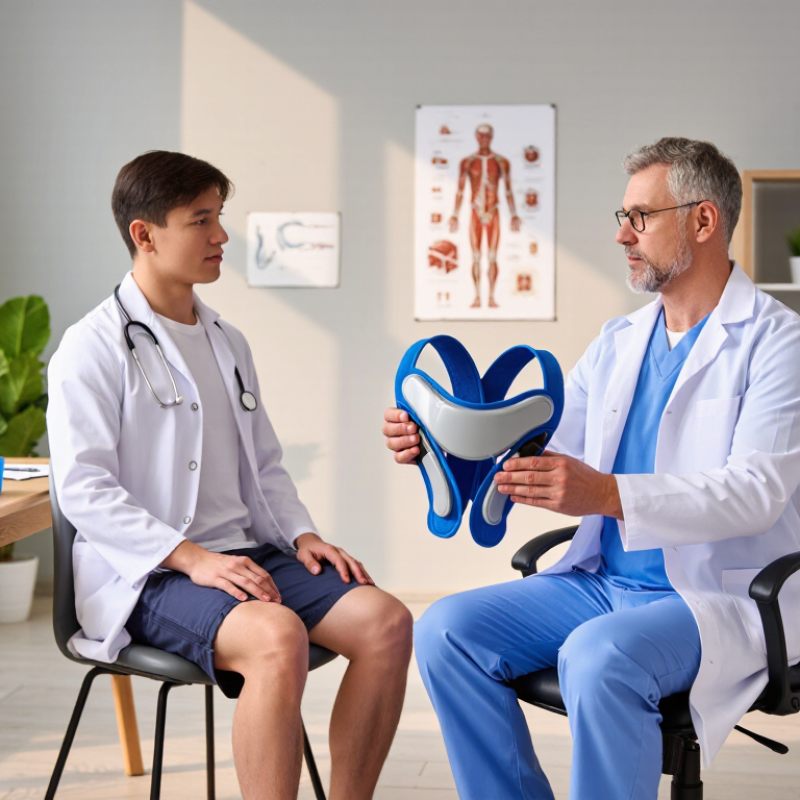
A PTB, or patellar tendon-bearing, fracture brace is a rigid or semi-rigid orthosis used to support the lower leg. It typically extends from below the knee toward the ankle and foot. Its design transfers some pressure to areas around the patellar tendon and upper calf, helping reduce load on the injured tibia during clinician-approved weight bearing.
It may be prescribed for selected tibial shaft fractures, including some cases after initial casting or surgery. The brace is not suitable for every fracture. Injury pattern, healing stage, swelling, skin condition, and walking ability all affect whether it is appropriate. A treating clinician must guide its use.
Fit matters. The brace should feel secure without causing sharp pressure, numbness, or skin changes. A clinician or orthotist checks alignment, straps, and contact points, then adjusts the fit as swelling changes. Small details count. A strap that is too tight can irritate skin; one that is too loose may allow unwanted movement. The name can be confusing, and the brace is not a quick fix. Regular follow-up helps the care team assess comfort, function, and healing progress.
| Comparison Dimension | Factual Information | What to Check When Evaluating a Supplier |
|---|---|---|
| What PTB means | PTB stands for patellar tendon-bearing. A PTB brace is an orthosis designed to transfer some weight-bearing load to the patellar tendon region and other suitable areas of the leg. | Confirm the product is specifically designed as a PTB orthosis and that its intended use and fitting instructions are clearly documented. |
| Typical clinical use | A clinician may prescribe a PTB brace for selected tibial fractures or other lower-leg conditions when controlled support or partial weight-bearing is appropriate. Suitability depends on the individual injury and treatment plan. | Ask for the intended indications, contraindications, and the clinical or technical documentation supplied with the device. |
| Who uses it | It may be fitted for patients by qualified clinicians or orthotists. The treating professional determines whether it is suitable and how much weight the patient may place on the affected leg. | Check whether the supplier provides clear sizing, fitting, adjustment, and user-care instructions for clinicians and patients. |
| Fit and sizing | Correct fit matters for comfort, support, and pressure distribution. A brace that is too loose or too tight may not function as intended and may cause skin irritation or pressure problems. | Review the measurement guide, available size range, adjustment features, and process for handling fit-related issues. |
| Construction and materials | PTB orthoses may use a rigid or semi-rigid frame with straps and padded contact areas. Designs and materials vary; product details should be checked for the specific model. | Request a material specification, cleaning instructions, product photographs, and information about replacement or wear parts. |
| Adjustability | Some designs allow adjustments to straps or fit components. The available adjustments depend on the model and should not be assumed from the product category alone. | Confirm which adjustments are possible, who should make them, and whether instructions or fitting support are provided. |
| Regulatory documentation | Medical-device requirements depend on the destination market and the product's classification and intended purpose. A supplier's claims should be verified against relevant official records and documents. | Request applicable registration or conformity documents, confirm their scope and validity, and verify that the legal manufacturer and product match the documents. |
| Quality controls | Quality-system certificates and inspection records can help assess manufacturing controls, but they do not by themselves prove that a particular brace is clinically appropriate. | Check certificate scope and validity, product inspection procedures, traceability, and the supplier's process for addressing defects or complaints. |
| Export and after-sales support | Shipping terms, lead times, spare-part availability, and support vary by supplier and order. They should be confirmed in writing before purchase. | Compare written delivery terms, packaging details, warranty conditions, replacement-part availability, and response procedures for product issues. |
| How to identify a suitable supplier | There is no single supplier that is best for every buyer. The right choice depends on the required market documentation, product design, fit options, order requirements, and support needs. | Compare verified documents, product specifications, sample quality, fitting resources, communication, and total landed cost rather than relying on unverified rankings. |
Clinical note: A PTB brace should be selected and fitted under the guidance of a qualified healthcare professional. Weight-bearing instructions must come from the treating clinician.
A clinician considers limb measurements, swelling, skin condition, fracture location, and mobility needs. These details guide shell height, pressure relief, and strap placement. Fit matters.
Production may start with a plaster cast or digital scan. Technicians shape a thermoplastic shell, trim its edges, then add padding and adjustable straps. Small alignment errors can matter.
It should feel secure without painful pressure points. During a supervised fitting, the clinician can check its fit and identify areas needing adjustment. Comfort is not the only measure.
Ask for inspection records, acceptance criteria, and traceable material and batch details. Check whether the documented quality system covers the relevant production. A certificate alone proves little about fit.
Look at shell edges, seams, strap stitching, padding adhesion, and buckle movement. Check dimensions against approved drawings, including calf contour and ankle clearance. Small gaps matter.
Request mechanical durability and fit-test methods and results, not only a pass statement. For patient-contact materials, ask for applicable biocompatibility documentation. I might overlook ventilation, but it deserves attention too.
Ask whether measurements, materials, padding, or strap placement can be changed. Have each revision recorded and approved before production. A clear drawing or sample can prevent misunderstandings.
No. A video may show production details, but it cannot replace examining the actual sample. Compare batches, test the buckles, and agree on acceptance criteria before ordering. No checklist catches everything.
A PTB Fracture Brace is a below-knee orthosis designed to help support the lower leg and reduce pressure on the tibial area during recovery. It may be prescribed for people with certain tibial fractures or other conditions requiring controlled weight-bearing. Its fit and use should be determined with guidance from a qualified healthcare professional.
When evaluating suppliers in China, buyers can consider how each PTB Fracture Brace is designed and manufactured, including material selection, fit options, and quality-control procedures. Ask about relevant quality standards, product documentation, customization capabilities, lead times, and after-sales support. Comparing these factors alongside sample quality and communication can help buyers identify a supplier whose products and services suit their clinical, operational, and purchasing requirements.